
Possession of Adderall Without a Prescription in California
California Adderall Possession Defense Lawyer
Adderall is a commonly prescribed medication used to treat attention-deficit hyperactivity disorder (ADHD) and narcolepsy.
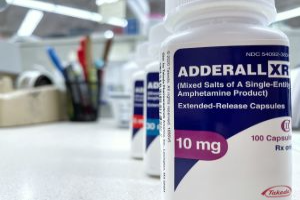
However, because Adderall contains amphetamine and dextroamphetamine, it is classified as a controlled substance under both California and federal law.
Under California Health and Safety Code Section 11350 HS, possessing Adderall without a valid prescription may result in misdemeanor criminal charges and significant legal consequences.
Even though many people view Adderall as a study aid or prescription medication, unlawful possession can still lead to arrest, probation, fines, jail time, and a permanent criminal record.
If you were arrested for possessing Adderall without a prescription, understanding California drug possession laws and possible legal defenses is critical.
Our California criminal defense lawyers at Esfandi Law Group represents clients facing Adderall possession charges and other controlled substance offenses throughout California.
Schedule your free consultation at (310) 274-6529 or use the contact form here.
What Is California Health and Safety Code 11350 HS?
California Health and Safety Code Section 11350 makes it unlawful to possess certain controlled substances without a valid prescription.
Because Adderall is classified as a Schedule II controlled substance under the federal Controlled Substances Act, possession without a lawful prescription may violate California drug possession laws.
Under HS 11350, prosecutors generally must prove:
- The defendant possessed Adderall
- The defendant knew the drug was present
- The defendant knew the substance was a controlled substance
- The drug was in a usable amount
- The defendant did not have a valid prescription
Simple possession charges involving Adderall are commonly filed as misdemeanor offenses in California.
What Is Adderall?
Adderall is a prescription stimulant medication containing amphetamine and dextroamphetamine.
The drug works by increasing certain chemical activities in the brain that help regulate:
- Attention
- Focus
- Impulse control
- Wakefulness
Doctors commonly prescribe Adderall to treat:
- Attention deficit hyperactivity disorder (ADHD)
- Narcolepsy
Although Adderall has legitimate medical uses, it also carries a risk of abuse and dependency, which is why it is regulated as a controlled substance.
Why Is Adderall a Controlled Substance?
The United States Drug Enforcement Administration (DEA) classifies Adderall as a Schedule II controlled substance.
Schedule II drugs are substances that:
- Have accepted medical uses
- Carry a high potential for abuse
- May lead to psychological or physical dependence
Misuse of Adderall may produce feelings of increased energy, focus, or euphoria, particularly in people without ADHD diagnoses.
Because of these risks, California strictly regulates possession, sale, and distribution of Adderall.
Types of Possession Under California Law
California law recognizes several forms of possession in controlled substance cases.
Actual Possession
Actual possession means the drug was physically on the defendant's person, such as in a pocket, purse, backpack, or wallet.
Constructive Possession
Constructive possession means the defendant exercised control over the location where the Adderall was found, even if it was not physically on their person.
Examples may include:
- A vehicle
- A bedroom
- A locker
- A desk or storage area
Joint Possession
Joint possession occurs when multiple individuals share control over the controlled substance.
More than one person may face charges if prosecutors believe both individuals exercised control over the Adderall.
What Is a Usable Amount of Adderall?
To support a conviction under HS 11350, prosecutors must show that the Adderall was in a usable amount.
A usable amount means there was enough of the substance to be consumed or used as a controlled substance.
Traces, residue, or unusable debris generally do not qualify as usable amounts under California law.
Related Adderall Drug Crimes in California
Possession without a prescription is not the only criminal offense involving Adderall.
Other related charges may include:
Possession of Adderall for Sale – HS 11351
Prosecutors may file drug possession for sale charges if they believe the defendant intended to distribute or sell Adderall illegally.
According to California Health and Safety Code 11550 HS, it is a misdemeanor to intentionally use or be under the influence of a controlled substance or an illegally obtained narcotic drug.
Health and Safety Code 11173, prescription fraud, forbids obtaining, attempting to obtain, or procuring a prescription for a controlled substance through fraud, deceit, misrepresentation, subterfuge, or concealment of a material fact.
Under California Health and Safety Code Section 11375(b)(2) HS, possessing benzodiazepines without a legitimate prescription from a licensed medical provider is a criminal offense.
Transportation or Sale of Adderall – HS 11352
HS 11352 covers selling, transporting, furnishing, or distributing Adderall may lead to more serious felony charges under California law.
Possession While Armed – HS 11370.1
HS 11370.1 involves possessing controlled substances while armed with a loaded firearm, which may trigger additional criminal penalties.
Penalties for Possessing Adderall Without a Prescription
Possession of Adderall without a valid prescription is typically charged as a misdemeanor offense.
Potential penalties may include:
- Up to one year in county jail
- Fines of up to $1,000
- Informal probation
- Community service
- Drug counseling or treatment programs
Repeat offenses or certain prior felony convictions may increase sentencing exposure.
Drug Diversion Programs for Adderall Possession
Some defendants may qualify for California drug diversion programs instead of traditional criminal penalties.
Eligible individuals may participate in:
- Penal Code 1000 diversion establishes eligibility requirements for drug diversion programs.
- Proposition 36 treatment programs allow certain nonviolent drug offenders to receive treatment instead of incarceration.
- Drug court programs
Successful completion of diversion may result in dismissal of the criminal charges.
Diversion eligibility often depends on:
- Criminal history
- Nature of the offense
- Whether violence was involved
- Prior diversion participation
Common Defenses to Adderall Possession Charges
Several defenses may apply in Adderall possession cases depending on the circumstances.
Valid Prescription
A valid prescription from a licensed medical provider is a complete defense to possession charges involving Adderall.
Lack of Knowledge
The defense may argue the defendant did not know the Adderall was present or was unaware it was a controlled substance.
Temporary Possession
Temporary possession defenses may apply when someone briefly possessed the drug solely for lawful disposal or destruction.
Illegal Search and Seizure
If law enforcement discovered Adderall during an unlawful search, the defense may seek suppression of evidence under the Fourth Amendment.
Insufficient Evidence
Prosecutors must prove every element of the offense beyond a reasonable doubt. Weak or incomplete evidence may support dismissal or acquittal.
Potential Consequences of a Drug Conviction
| Consequence | Description | Possible Long-Term Impact |
|---|---|---|
|
Jail or Prison Time |
Incarceration for misdemeanor or felony drug offenses |
Loss of freedom, disruption of employment and family life |
|
Probation |
Court supervision with mandatory conditions and restrictions |
Risk of additional penalties for probation violations |
|
Fines and Court Costs |
Criminal fines, penalty assessments, and court fees |
Financial hardship and collections issues |
|
Permanent Criminal Record |
Drug conviction appearing on background checks |
Difficulty obtaining jobs, housing, or professional licenses |
|
Employment Consequences |
Reduced job opportunities or termination from employment |
Long-term career limitations |
|
Professional Licensing Issues |
Discipline or denial of licenses for nurses, teachers, contractors, and other professionals |
Damage to professional reputation and career advancement |
|
Immigration Consequences |
Deportation risks, visa denials, or immigration complications for non-citizens |
Threats to lawful immigration status and residency |
|
Driver's License Suspension |
Possible suspension or restrictions on driving privileges |
Transportation and employment difficulties |
|
Educational Consequences |
Loss of scholarships, disciplinary action, or reduced educational opportunities |
Impact on academic and career goals |
|
Mandatory Drug Treatment Programs |
Court-ordered counseling, rehabilitation, or education classes |
Ongoing court supervision and compliance requirements |
|
Loss of Firearm Rights |
Restrictions involving firearm ownership or possession in certain felony cases |
Long-term constitutional rights limitations |
|
Housing Difficulties |
Denial of rental applications or housing opportunities |
Reduced access to stable housing |
|
Increased Penalties for Future Offenses |
Prior drug convictions may enhance future criminal penalties |
Greater sentencing exposure in later cases |
|
Reputation Damage |
Public criminal allegations or convictions affecting personal relationships |
Social stigma and reputational harm |
Factors That May Affect Drug Crime Penalties
Several factors may influence the severity of penalties in California drug cases, including:
- Type of controlled substance involved
- Amount of drugs involved
- Prior criminal history
- Whether the offense involved sales allegations
- Presence of firearms or weapons
- Eligibility for diversion or treatment programs
- Aggravating or mitigating circumstances
Every drug case is different, and the outcome often depends on the facts, evidence, and defense strategy involved.
Frequently Asked Questions
Is it illegal to possess Adderall without a prescription in California?
Yes. Possessing Adderall without a valid prescription may violate California Health and Safety Code Section 11350 HS.
Is Adderall considered a controlled substance?
Yes. Adderall is classified as a Schedule II controlled substance under federal and California law because it has accepted medical uses but also carries a high risk of abuse and dependency.
Can possession of Adderall be charged as a felony?
Simple possession is usually charged as a misdemeanor, but felony charges may apply in certain situations involving prior convictions or related offenses.
What are the penalties for possessing Adderall without a prescription?
Potential penalties may include up to one year in county jail, fines, probation, community service, and drug counseling requirements.
Can someone avoid jail for an Adderall possession charge?
Yes. Some defendants may qualify for diversion programs, probation, or drug treatment alternatives instead of incarceration.
What if I had a valid prescription for Adderall?
A valid prescription from a licensed healthcare provider is generally a complete defense to Adderall possession charges.
What is constructive possession?
Constructive possession means a person had control over the location where Adderall was found even if the drug was not physically on their person.
Can police search my belongings for Adderall?
Law enforcement generally must comply with constitutional requirements for search and seizure. Illegal searches may provide grounds to suppress evidence.
What happens if the Adderall belonged to someone else?
The defense may argue a lack of knowledge or a lack of control over the controlled substance if the defendant did not knowingly possess the medication.
Why should someone hire a California criminal defense lawyer for Adderall charges?
An experienced criminal defense attorney can challenge unlawful searches, negotiate diversion options, evaluate defenses, and work to minimize criminal penalties and long-term consequences.