
Drug Weight Enhancements: Health and Safety Code Section 11370.4 HS
In California, when someone faces serious drug charges like possession for sale, transportation, or distribution, the possible prison time largely depends on how much of the substance is involved.
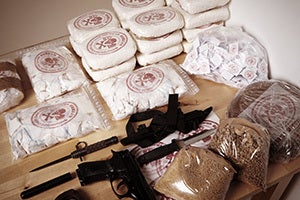
Under California Health and Safety Code Section 11370.4 HS, prosecutors can file "weight enhancements."
These enhancements automatically stack additional consecutive years onto the base prison sentence if the weight or volume of the seized controlled substances exceeds specific legal thresholds.
An HS 11370.4 enhancement can convert a regular drug charge into a long-term state prison sentence.
If you or a family member is confronting serious drug charges involving quantity allegations, it is vital to understand how these enhancements function and how an experienced criminal defense attorney can contest them.
The Esfandi Law Group can help you. Schedule your free consultation by calling (310) 274-6529 or using the contact form here.
What is a Drug Weight Enhancement under HS 11370.4?
A sentencing enhancement is an additional legal allegation that increases the overall punishment for a crime.
To utilize a weight enhancement under HS 11370.4, the prosecutor must first obtain a conviction for the underlying drug offense. If the defendant is found not guilty of the main charge, the weight enhancement is entirely dismissed.
Applicable Underlying Offenses
Weight enhancements do not apply to simple personal possession charges. They are only applicable to certain commercial drug felonies or conspiracy offenses to commit such crimes, including:
-
HS 11351 / 11351.5: Possession of a controlled substance or cocaine base for sale.
-
HS 11352: Sale, transportation, or distribution of a controlled substance.
-
HS 11378 / 11378.5: Possession of methamphetamine, PCP, or amphetamines for sale.
-
HS 11379 / 11379.5: Sale or transportation of methamphetamine, PCP, or amphetamines.
State Prison Mandatory: Under California law, if an HS 11370.4 weight enhancement is admitted or proven by a jury, the defendant cannot serve their sentence in a local county jail under realigned sentencing guidelines (Penal Code 1170(h)). The full sentence must be served in California State Prison.
Weight Enhancements by Drug Type
The extra prison time mandated by HS 11370.4 varies depending on the specific narcotic involved and the total weight or liquid volume seized.
1. Heroin, Cocaine, & Cocaine Base (Subdivision a)
The following mandatory consecutive prison sentences apply when a substance includes heroin or cocaine.
|
Total Substance Weight |
Additional Prison Sentence |
| Over 1 Kilogram | +3 Years |
| Over 4 Kilograms | +5 Years |
| Over 10 Kilograms | +10 Years |
| Over 20 Kilograms | +15 Years |
| Over 40 Kilograms | +20 Years |
| Over 80 Kilograms | +25 Years |
2. Methamphetamine, Amphetamine, & PCP (Subdivision b)
For stimulants like methamphetamine and phencyclidine (PCP), the statutory limits track both dry weight and liquid volume:
|
Total Weight / Liquid Volume |
Additional Prison Sentence |
| Over 1 Kilogram OR 30 Liters | +3 Years |
| Over 4 Kilograms OR 100 Liters | +5 Years |
| Over 10 Kilograms OR 200 Liters | +10 Years |
| Over 20 Kilograms OR 400 Liters | +15 Years |
3. Fentanyl Weight Enhancements (Subdivision c)
Since fentanyl is extremely potent even in micro-doses, California law sets much lower weight thresholds for trafficking or selling fentanyl-related offenses.
|
Total Fentanyl Weight |
Additional Prison Sentence |
| Over 28.35 Grams (1 ounce) | +3 Years |
| Over 100 Grams | +5 Years |
| Over 500 Grams | +7 Years |
| Over 1 Kilogram | +10 Years |
| Over 4 Kilograms | +13 Years |
| Over 10 Kilograms | +16 Years |
| Over 20 Kilograms | +19 Years |
| Over 40 Kilograms | +22 Years |
| Over 80 Kilograms | +25 Years |
Application in Conspiracy Cases
Weight enhancements may also be used for individuals charged with a criminal conspiracy to sell or transport drugs, even if they were not physically in possession of the narcotics at the time of arrest.
California law provides a clear safeguard against conspiracy charges. Under HS 11370.4(b)(3), a conspiracy weight enhancement applies only if the jury determines that the defendant was significantly involved in planning, directing, executing, or financing the crime.
Participants or lookouts at a low level might have reasons to challenge the enhancement under this provision.
How to Defend Against HS 11370.4 Enhancements
A strong legal defense can focus on the original drug charge or the legitimacy of the weight enhancement. Typical defense tactics include:
Fourth Amendment Motions to Suppress
Most high-volume drug cases often originate from vehicle stops, border checkpoints, or residential search warrants.
If law enforcement conducts a search without probable cause, does not have a valid warrant, or exceeds the warrant's scope, an attorney can file a Motion to Suppress Evidence (Penal Code 1538.5).
A successful motion results in the drug evidence being excluded, which can lead to case dismissal.
Challenging "Substantial Involvement" in Conspiracies
If you are accused within a larger drug trafficking organization, your defense can show that your involvement was minor, isolated, or peripheral.
If the prosecution cannot prove "substantial involvement" beyond a reasonable doubt, the heavy-weight enhancement cannot legally apply to your sentence.
Testing and Weight Discrepancies
The law mandates that the weight threshold be confirmed through accurate chemical testing of the actual controlled substance.
Defenses may be raised if lab protocols were flawed, if the underlying compound contains non-controlled plant material that should not be included, or if the weight falls just below the critical statutory cutoff.
Judicial Discretion to Strike the Enhancement
Under Health and Safety Code Section 11370.4(g), California judges retain the authority to strike or dismiss the additional punishment associated with a weight enhancement during sentencing.
An attorney may submit a mitigation packet highlighting the defendant's no prior record, addiction issues, or passive role to persuade the court that applying the enhancement does not promote justice.
FAQs About California Drug Weight Enhancements
Does the weight enhancement look at the pure drug or the total mixture?
Under California law, the enhancement considers the total weight of the "substance containing" the narcotic.
This means that when a block of cocaine is mixed or "cut" with other legal binding agents, the total weight of the mixture generally counts toward the enhancement threshold, not just the pure drug itself.
Can a weight enhancement be negotiated away in a plea bargain?
Yes. Pre-filing mitigation and active defense negotiations often center on securing enhancements. A prosecutor might agree to dismiss or "strike" the HS 11370.4 allegation in exchange for a guilty plea to the underlying charge, greatly reducing the mandatory prison time.
What is the difference between federal drug trafficking penalties and HS 11370.4?
HS 11370.4 is a state-level enhancement used in California Superior Courts. In contrast, federal drug prosecutions follow their own Federal Sentencing Guidelines, which have separate, strict drug quantity tables and mandatory minimum sentences in federal prison.
Consultation with a California Criminal Defense Attorney
Facing serious drug charges along with an HS 11370.4 enhancement demands an assertive and carefully managed defense.
If you require legal representation or advice concerning drug sale or trafficking cases in Southern California, it is essential to contact a qualified lawyer at Esfandi Law Group right away to protect your constitutional rights during the investigation and trial process.