
Health and Safety Code 109575 HS: Manufacture of Imitation Controlled Substances
Facing allegations under California Health and Safety Code 109575 HS can be confusing and overwhelming.
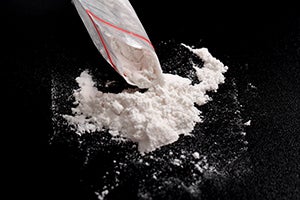
Many individuals are shocked to learn they can face criminal charges for a drug offense when the substance in question is completely legal, non-narcotic, or entirely fake.
Under California law, the state aggressively prosecutes the creation and distribution of counterfeit drugs.
If you or a loved one is facing charges for manufacturing an imitation controlled substance, understanding the legal framework, potential penalties, and available defense strategies is critical to protecting your freedom.
The most effective way to secure a favorable outcome is to consult an experienced criminal defense attorney at Esfandi Law Group in California. Schedule your free consultation by calling (310) 274-6529.
What Is Health & Safety Code 109575 HS?
California Health and Safety Code 109575 HS makes it a crime to knowingly manufacture, distribute, or possess with the intent to distribute an imitation controlled substance.
The law targets deception in the drug supply chain. It applies to situations in which a product is created or packaged to deceive a buyer, law enforcement officer, or medical professional into believing it is a genuine, regulated drug.
The Legal Definition of an "Imitation Controlled Substance"
Under California law, a product qualifies as an imitation controlled substance if it meets either of the following criteria:
-
Physical Resemblance: It is a product specifically manufactured to mimic the physical appearance of a controlled substance, and a reasonable person of ordinary knowledge would be unable to distinguish it from the real drug by its outward appearance.
-
Represented Effects: It is a product made to look like a real drug, and its appearance (color, size, shape, markings) or the representations made about it would lead a reasonable person to believe that consuming it would produce a stimulant or depressant effect similar to an actual controlled substance.
Common examples include:
-
Pressed pills made of sugar or baking soda are designed to look like prescription narcotics (e.g., OxyContin, Xanax, or Vicodin).
-
Packaged white powder (like flour or baking soda) designed to look like cocaine or methamphetamine.
-
Counterfeit liquid mixtures marketed as prescription-strength cough syrup ("lean").
What the Prosecution Must Prove
To secure a conviction under HS 109575, the prosecution must prove several specific elements "beyond a reasonable doubt":
-
Action: You manufactured, distributed, or possessed an imitation controlled substance with the intent to distribute it.
-
Knowledge: You acted knowingly—meaning you knew the substance was a counterfeit or imitation drug.
-
Design: The substance was deliberately designed, packaged, or marked to look like a genuine controlled substance.
-
Deception: A reasonable person would mistake the fake substance for a real illicit or prescription drug.
Note on Possession: Under California law, possession does not just mean having the substance in your pocket (actual possession). You can also be charged if you have access to or control over the location where the substances are stored, such as a home, vehicle, or storage locker (constructive possession), or if you share control with someone else (joint possession).
Penalties and Long-Term Consequences
A violation of Health and Safety Code 109575 HS is charged as a misdemeanor in California. However, a misdemeanor conviction still carries restrictive penalties and long-term consequences.
Immediate Penalties
If convicted under HS 109575, you could face:
-
Up to six (6) months in a California county jail.
-
A maximum fine of $1,000.
-
Summary (informal) probation.
Collateral Consequences
Beyond jail time and fines, a conviction under this statute can disrupt your life in several ways:
-
Criminal Record: A drug-related conviction will appear on background checks, impacting future employment, housing applications, and higher education opportunities.
-
Professional Licensing: Because this offense involves elements of fraud and deceit, it can be categorized as a crime involving moral turpitude. This can negatively affect professional licenses held by doctors, nurses, lawyers, real estate agents, and accountants.
-
Immigration Status: Non-U.S. citizens may face severe immigration consequences, including deportation or inadmissibility, due to the deceptive nature of the charge.
Top Defense Strategies Against HS 109575 Charges
An arrest is not the same as a conviction. An experienced California criminal defense attorney can review the details of your case to build a robust defense. Common strategies include:
Lack of Intent to Distribute
The statute specifically requires an intent to distribute. If you manufactured or possessed a look-alike substance for a lawful purpose—such as a theatrical prop for a movie, a novelty item, or an educational demonstration—you cannot be convicted under this law.
Lack of Knowledge
The prosecution must prove you knew the substance was an imitation controlled substance. If you genuinely believed the substance was a lawful over-the-counter supplement, or if you were holding a package for someone else without knowing its contents, this serves as a strong defense.
Does Not Qualify as an Imitation Substance
If the substance does not closely resemble a controlled substance, or if a reasonable person could easily tell it apart from an illegal drug, the statutory definition is not met.
Unlawful Search and Seizure
If law enforcement officers obtained the substance by violating your Fourth Amendment rights—such as searching your home or vehicle without a valid warrant or probable cause—the evidence may be deemed inadmissible in court. Without the physical evidence, the prosecution's case will often collapse.
Related Offenses in California
Depending on the circumstances of your arrest, you may face alternative or additional charges, including:
-
HS 11355 – Sale of an Imitation Controlled Substance: This applies when someone offers or agrees to sell a real controlled substance but delivers a fake substance instead. This is a "wobbler" offense and can be charged as a felony, carrying up to 3 years in jail.
-
HS 11350 – Possession of a Controlled Substance: If the substance turns out to be real instead of an imitation, you could face misdemeanor charges for unlawful possession.
-
HS 11351 – Possession of a Controlled Substance for Sale: If the substance is genuine and you intended to sell it, you could face severe felony charges.
-
HS 109580 – Distribution of Imitation Controlled Substances to a Minor: If an adult knowingly distributes a fake drug to a minor, the penalties double to up to one year in jail and fines up to $2,000.
Under California Health and Safety Code section 11383.5, it is a felony to possess specific meth chemicals or precursor materials with the intent to produce methamphetamine.
Health and Safety Code 11173, prescription fraud, forbids obtaining, attempting to obtain, or procuring a prescription for a controlled substance through fraud, deceit, misrepresentation, subterfuge, or concealment of a material fact.
Frequently Asked Questions (FAQs)
Can I be arrested if the pills I made don't contain any real drugs?
Yes. Health and Safety Code 109575 HS specifically targets the manufacture and distribution of fake drugs. The law is designed to prevent fraud, public health confusion, and the dangerous street-level transactions associated with counterfeit substances.
What is the difference between HS 109575 and HS 11355?
HS 109575 focuses on the supply side—the manufacturing, distributing, or possessing with intent to distribute an imitation drug. HS 11355 focuses on a transactional bait-and-switch—specifically offering to sell a real drug and then delivering a fake substance instead. HS 11355 is a more severe charge and can be prosecuted as a felony.
Is it a defense if the buyer knew the drug was a fake?
Generally, no. The law evaluates whether a reasonable person would mistake the substance for a real drug based on its appearance and packaging. Even if a specific buyer was aware that it was an imitation, manufacturing or possessing it with the intent to distribute still violates the statute.
Can HS 109575 charges be dismissed or reduced?
Yes. Depending on the evidence, an attorney may be able to negotiate a reduction to a lesser infraction, secure a diversion program that keeps the conviction off your record, or get the charges completely dismissed if your constitutional rights were violated during the investigation.
Speak to a California Drug Defense Lawyer
If you or a loved one is being investigated or has been arrested under Health and Safety Code 109575 HS, you do not have to navigate the complex California legal system alone.
Even though a violation of this statute is a misdemeanor, a conviction can permanently alter your clean record, trigger professional setbacks, and carry a risk of jail time.
An experienced criminal defense attorney can carefully evaluate the evidence against you, determine if your constitutional rights were violated during the search, and build a strategic defense to protect your future.
How an Attorney Can Help
-
Investigate the Evidence: Analyze whether the substance in question actually meets the legal definition of an "imitation" under California law.
-
Negotiate with Prosecutors: Work to have your charges reduced to a lesser offense, or push for a dismissal through a pre-trial diversion program.
-
Protect Your Rights: Ensure that any evidence obtained through unlawful police conduct or an illegal search is thrown out of court.
Do not leave your freedom and future to chance. Contact a qualified California drug defense attorney today to schedule a confidential case evaluation and learn more about your legal options.
The Esfandi Law Group can help you. Schedule your free consultation by using the contact form here.