
Vehicle Code 23550 VC: Fourth-Time DUI Charges and Penalties
In California, DUI charges have severe penalties, especially if it's your fourth offense within a decade.
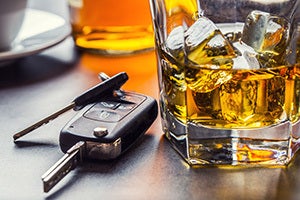
Under California Vehicle Code 23550 VC, a fourth-time DUI is now considered more than just a standard DUI misdemeanor.
It is classified as a serious offense, often prosecuted as a DUI felony, which can jeopardize your freedom, financial stability, and driving rights.
If you or a loved one has been arrested, it's essential to understand how VC 23550 works, the possible penalties, and the legal defenses available to safeguard your future.
The most effective way to secure a favorable outcome is to consult an experienced criminal defense attorney at Esfandi Law Group in California. Schedule your free consultation by calling (310) 274-6529 or using the contact form here.
What Legally Constitutes a Fourth-Time DUI under VC 23550?
Vehicle Code 23550 VC acts as a penalty enhancement for individuals who accumulate multiple DUI convictions within a specific timeframe. To secure a conviction under this statute, the prosecution must prove three distinct elements:
-
A Current DUI Violation: You drove a vehicle while intoxicated by alcohol, DUI drugs, or both (according to VC 23152 or VC 23153).
-
Three or More Prior Convictions: You have a minimum of three previous convictions for qualifying driving offenses.
-
The 10-Year "Look-Back" Window: The offense you committed now happened less than 10 years after the violations that resulted in your previous convictions.
Important Note on Timeline Calculation: The 10-year window is calculated from the date of the first offense to the date of the most recent arrest, not from the dates of the actual convictions.
What Qualifies as a Prior DUI Conviction?
Not all driving offenses lead to a VC 23550 enhancement. Under California law, only specific prior convictions count toward a fourth DUI offense, including:
-
Standard DUI (VC 23152): Driving under the influence of alcohol or drugs.
-
DUI Causing Injury (VC 23153): A DUI incident that resulted in bodily harm to another person.
-
"Wet Reckless" (VC 23103.5): A reckless driving conviction involving alcohol or drugs often follows a plea deal that dismisses an initial DUI charge. Although it initially results in lighter penalties, it is explicitly recognized as a prior DUI for future reference.
Prior convictions must originate from separate, independent incidents. If multiple charges result from a single event, they are considered as one prior conviction.
Examples of VC 23550 Applications
To illustrate how the 10-year look-back window and prior offense tracking operate in practice, here are some scenarios:
Example 1: Triggering VC 23550
Fred was pulled over for erratic driving and recorded a BAC of 0.10%, which is above the legal limit of 0.08%. His record includes two DUI convictions and one "wet reckless" conviction, all from separate arrests over the past 8 years. Since a wet reckless counts as a prior offense and all three offenses fall within 10 years, Fred now faces his fourth DUI charge under VC 23550.
Example 2: Falling Outside the Look-Back Window
After her car breaks down, law enforcement contacts Samantha, and a chemical test shows a BAC of 0.09%. Her driving record includes three previous DUI convictions, with the earliest from 12 years ago. Although she will face standard DUI charges and possible penalties for multiple offenses, she cannot be charged with a fourth DUI under VC 23550 because her oldest offense is beyond the 10-year time limit.
Related California Statutes
When investigating a driver for multiple DUI offenses, prosecutors might review various related parts of the California Vehicle Code and Penal Code.
-
Vehicle Code 23152(a) VC – Driving Under the Influence: The core law prohibiting driving under the influence of alcohol or drugs. It can be enforced even if a driver's BAC is below 0.08% if their driving ability was clearly impaired.
-
Vehicle Code 23578 VC – Excessive BAC / Test Refusal Enhancements: Imposes extra penalties for any DUI tier if the driver's BAC was 0.15% or higher, or if they refused a lawful chemical breath or blood test.
-
Penal Code 192(c) PC – Vehicular Manslaughter: If a fourth-time DUI results in a fatal accident due to negligence or illegal conduct, the driver may be charged with manslaughter in addition to VC 23550.
A "Watson Murder" is a legal term in California for cases in which someone drives under the influence, causes a fatal crash, and faces second-degree murder charges under California Penal Code Section 187 (PC 187).
Misdemeanor vs. Felony: Penalties for a Fourth DUI
In California, a fourth DUI under VC 23550 is classified as a "wobbler" offense.
This allows the prosecution to choose whether to charge it as a misdemeanor or a felony, depending largely on your criminal history, conduct during the arrest, and whether aggravating factors such as an exceptionally high BAC or an accident were involved.
Misdemeanor VC 23550 Penalties
If the prosecution treats the case as a misdemeanor, the legal penalties include:
-
Jail Time: A required sentence of at least 180 days (6 months) and up to 1 year in county jail.
-
Fines: Court-imposed fines range from $390 to $1,000, with penalty assessments that can substantially raise the total cost.
Felony VC 23550 Penalties
If classified as a felony, the penalties are significantly harsher.
-
Incarceration: Served up to 3 years in California state prison.
-
Fines: Court-imposed fines ranging from $390 to $1,000, plus significant court assessments.
Additional Mandatory Consequences
Whether your conviction is a misdemeanor or a felony, a fourth DUI has long-term collateral consequences:
-
Habitual Traffic Offender (HTO) Status: Under Vehicle Code 14601.3, you will be officially designated as an HTO for three years. Driving with this designation results in serious separate penalties, such as mandatory jail time.
-
4-Year License Revocation: The Department of Motor Vehicles (DMV) will revoke your privilege to operate a motor vehicle for 4 years.
-
Ignition Interlock Device (IID): If you are granted probation in lieu of maximum jail time, the court will require you to install an IID—a breathalyzer tied to your vehicle's ignition system—on any vehicle you own or operate.
Under Vehicle Code 23572, penalties are much harsher if a driver faces a DUI charge and has a passenger under 14 in the vehicle. Vehicle Code 23612 VC defines DUI chemical test refusal enhancements.
Common Legal Defenses to Challenge a Fourth DUI Charge
Being charged with VC 23550 doesn't necessarily lead to a conviction. An experienced California criminal defense lawyer can examine the details of your arrest, chemical testing, and criminal history to develop a strong defense. Typical defenses include:
-
Challenging the Legality of the Traffic Stop: Under the Fourth Amendment, law enforcement needs reasonable suspicion to stop a vehicle. If you were pulled over without a proper legal reason, any evidence obtained afterward—including BAC results—could be suppressed and deemed inadmissible in court.
-
Inaccuracy of Chemical Testing Equipment: Breathalyzers and blood testing devices must be calibrated, maintained, and operated following strict state regulations (Title 17). If the equipment is faulty or the blood sample is mishandled, the reliability of your BAC results can be challenged.
-
Rising Blood Alcohol Defense: Alcohol absorption into the bloodstream takes time. A driver might be below the legal BAC limit while driving, but their BAC could naturally increase to an illegal level by the time police perform the chemical test at the station.
-
The Affirmative Defense of Necessity: Often called "guilty with a reason," this defense claims you drove under the influence to prevent a larger, immediate harm—such as taking a critically injured person to the emergency room when no other options for communication or transportation were available.
Contact a California Criminal Defense Attorney
A fourth DUI charge threatens your job, freedom, and future career. Successfully navigating the criminal court and California DMV systems requires strategic legal action.
A DUI conviction under California Vehicle Code Section 23152 involves more than penalties like fines, probation, or jail; it can also jeopardize the careers of many Californians who hold professional licenses regulated by the state.
If you are charged under Vehicle Code 23550 VC, contact our defense firm today to schedule a confidential consultation. We will review your prior record, analyze the evidence against you, and work diligently to protect your rights.
The Esfandi Law Group can help you. Schedule your free consultation today.