
California Vehicle Code 10851 VC: Unlawful Taking or Driving a Vehicle
California Vehicle Code 10851 VC classifies it as a crime to take or operate another person's vehicle without permission.
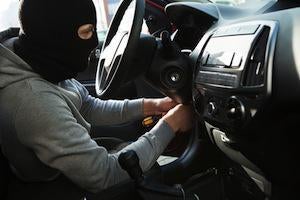
Commonly known as joyriding or unlawful taking of a vehicle, this offense applies whether the driver plans to keep the vehicle permanently or just take it for a short drive.
Since VC 10851 is classified as a "wobbler" in California, prosecutors have the option to file it as either a misdemeanor or a felony, depending on the defendant's criminal record and the particular circumstances of the case.
If you are facing charges of vehicle theft, The Esfandi Law Group is here to assist you.
Call (310) 274-6529 for a free consultation or fill out our contact form.
Quick Reference Summary: VC 10851 At-a-Glance
|
Feature |
Misdemeanor Charging |
Felony Charging |
| Intent Required | Temporary or permanent deprivation | Temporary or permanent deprivation |
| Maximum Jail/Prison Time | Up to 1 year in county jail | 16 months, 2, or 3 years in state prison |
| Maximum Fines | Up to $5,000 | Up to $10,000 |
| Probation Type | Summary (informal) probation | Formal probation |
| Restitution | Required (pay back the owner) | Required (pay back the owner) |
Elements of the Crime: What the Prosecution Must Prove
To obtain a conviction for unlawful vehicle taking under VC 10851, California prosecutors are required to demonstrate four separate elements beyond a reasonable doubt.
-
Vehicle Driving/Taking: The defendant either operated or used a motor vehicle that belonged to another person.
-
Lack of Consent: The owner of the vehicle did not give permission or consent for the driving or removal.
-
Specific Intent: The defendant deliberately aimed to prevent the owner from possessing their vehicle, whether temporarily or permanently.
Real-World Examples of VC 10851 Violations
-
The Classic Joyride: A teenager borrows a neighbor's sports car without permission and plans to return it to the driveway before morning.
-
The Knowing Passenger-Turned-Driver: A person enters a car that a friend had stolen and then takes control of the driving.
-
The Overdue Rental/Borrow: A person borrows a coworker's truck for a two-hour task but ends up holding onto it for three days, ignoring calls and texts requesting its return.
VC 10851 vs. Related California Vehicle & Theft Crimes
Grasping the differences between VC 10851 and similar offenses is essential for developing an effective legal defense strategy.
Grand Theft Auto (GTA) – Penal Code 487(d)(1) PC
Unlike VC 10851, Grand Theft Auto requires proof of specific intent to permanently deprive the owner of their vehicle. If someone steals a car to dismantle it for parts or to sell it, they can be charged with GTA.
Tampering with a Motor Vehicle – Vehicle Code 10852 VC
This charge applies if an individual damages, alters, or removes parts from a vehicle without the owner's permission (for example, stealing a catalytic converter or slashing tires), even if they do not drive or take the vehicle.
Receiving a Stolen Vehicle – Penal Code 496d PC
It is illegal to buy, receive, conceal, or sell a motor vehicle if you know it was stolen. A person can be charged under PC 496d even if they did not personally steal the car.
Carjacking – Penal Code 215 PC
Carjacking is a serious felony that involves forcibly taking a vehicle from someone right in front of them, using violence or threats.
Common Legal Defenses to Dismiss or Reduce Charges
A knowledgeable defense attorney can use various proven methods to contest an unlawful driving allegation.
1. Explicit or Implied Consent: The vehicle owner authorized the use of the car, or previous actions led the defendant to reasonably believe they had permission.
2. Lack of Intent: The defendant genuinely believed they had a right to the vehicle (Claim of Right) or did not intend to permanently deprive the owner of it.
3. Mistaken Identity / False Accusations: Witnesses either misidentified the defendant or falsely accused them because of a domestic or civil dispute.
4. Constitutional Violations: Evidence collected by law enforcement during an illegal traffic stop or unlawful search and seizure cannot be used in court.
Frequently Asked Questions (FAQs)
What is the main difference between joyriding (VC 10851) and Grand Theft Auto (PC 487)?
The key distinction is intent. Grand Theft Auto involves the intent to permanently keep the vehicle, while joyriding applies even if you only plan to use the vehicle temporarily and return it.
Can a VC 10851 felony charge be reduced to a misdemeanor?
Yes. If the offense is charged as a felony, an experienced attorney can file a motion to reduce it to a misdemeanor under Penal Code 17(b), based on the case details and your criminal history.
What happens if law enforcement impounds my car during an arrest?
According to California Vehicle Code 22651, police officers are authorized to tow and impound vehicles in certain situations, such as when the driver is arrested or if the vehicle is obstructing traffic or reported stolen.
Protect Your Future: Contact Esfandi Law Group
A conviction for unlawful vehicle taking results in lasting penalties, including jail time and a permanent criminal record. Nonetheless, prosecutors are required to prove your intent beyond a reasonable doubt.
The Esfandi Law Group has a seasoned California criminal defense attorney committed to analyzing evidence, identifying flaws in the prosecution's case, and advocating for charges to be reduced or dismissed.
-
Phone: (310) 274-6529
-
Contact: Reach out directly through this platform to secure your complimentary legal consultation.