
Health and Safety Code 11550 HS: Under the Influence of a Controlled Substance
California maintains strict laws regarding drug use, possession, and intoxication.
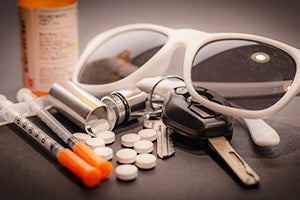
Under California Health and Safety Code 11550 HS, it is a misdemeanor offense to willfully use or be under the influence of a controlled substance or an illegally obtained narcotic drug.
This statute is commonly enforced in tandem with driving under the influence (DUI) investigations where drug consumption is suspected, or during arrests for drug possession where law enforcement notes visible signs of intoxication.
In simple terms, HS 11550 criminalizes intentionally using or being under the influence of any controlled substance or illegal narcotic. However, marijuana and legally prescribed medications are exempt from this law.
If you're dealing with a drug-related crime, the Esfandi Law Group is ready to assist you. Call (310) 274-6529 for a free consultation or fill out the contact form here.
What Does the Prosecution Have to Prove?
To secure a conviction under HSC 11550, the prosecution must establish specific elements of the crime beyond a reasonable doubt:
-
Willful Action: You willingly and knowingly ingested or were affected by the substance.
-
Controlled Substance or Narcotic: The substance in question needs to be legally categorized as a restricted stimulant, hallucinogen, depressant, or opiate.
Important Legal Distinction: Under California Health and Safety Code 11550 HS, marijuana is NOT classified as a controlled substance. The legality of cannabis depends on specific state regulations related to age, quantity, and location.
"Using" vs. "Under the Influence"
-
Current or Recent Use: Under this law, "using" refers to ongoing or very recent consumption. Although there is no specific hourly limit, California courts typically consider drug use that happened more than five days before an arrest as not current use.
-
Detectable Effects: Being "under the influence" under HSC 11550 does not mean you have to be severely impaired or behaving dangerously. It just requires that an officer or someone trained to recognize these effects can notice the physical or psychological signs of the drug.
Controlled Substances Covered Under HSC 11550
The law applies to a wide range of illicit "hard drugs" as well as the unauthorized use of prescription medications.
Illicit / Street Drugs
-
Hallucinogens (e.g., LSD, psilocybin mushrooms)
Prescription Medications
Using prescription drugs illegally or being under their influence is also criminalized under this law, particularly if the medication isn't prescribed to you or if you intentionally misuse your own prescription against medical advice.
Common examples include:
-
Vicodin / Hydrocodone
-
OxyContin / Oxycodone
-
Xanax
-
Codeine or Morphine
-
Ritalin or Adderall
- Benzodiazepines
Examples of HSC 11550 in Practice
Example 1: The Lawful Prescription Exception
-
The scenario: Marcus is stopped by police due to a broken taillight. The officer notices that Marcus appears very anxious, with dilated pupils and heavy sweating. Marcus explains that he has ADHD and is taking Adderall exactly as prescribed by his doctor. He also presents a valid prescription bottle with his name on it.
-
The Legal Outcome: Marcus cannot be convicted under HSC 11550. Because he has a valid prescription from a licensed physician and was consuming the medication in accordance with his doctor's strict instructions, he has a complete legal defense to the charge, despite showing noticeable physical signs of a stimulant.
Example 2: Noticeable Effects Without Gross Impairment
-
The Scenario: Police respond to a routine noise complaint at a local park. During questioning, a drug recognition-trained officer notices Sarah's rapid speech, racing pulse, and abnormal eye reactions to light. She admits to snorting methamphetamine an hour earlier but insists she shouldn't be arrested because she is acting calmly, speaking politely, and walking straight.
-
The Legal Outcome: Sarah can be arrested and convicted under HSC 11550. Under California law, a person does not need to be behaving erratically or dangerously to be considered "under the influence". The prosecution only needs to prove that the drug's physical or psychological effects were currently detectable to a trained individual.
Penalties and Sentencing for HSC 11550
A conviction related to being under the influence can lead to significant long-term disruptions.
However, many first-time, non-violent offenders may qualify for drug diversion programs under Proposition 36 or Deferred Entry of Judgment (DEJ), allowing them to undergo treatment instead of serving jail time.
If an individual is ineligible for diversion, standard penalties include:
|
Offense Level |
Potential Penalties |
| First Offense |
Up to 1 year in county jail, up to 5 years of probation, mandatory drug counseling, and community service. |
| Third Offense (Within 7 Years) |
A mandatory minimum of 180 days in county jail if the individual refuses to successfully participate in court-ordered drug counseling. |
Note: Penalties may increase severely if the individual was in possession of a loaded firearm while under the influence.
Legal Defenses against the Charges
An experienced California criminal defense attorney can challenge the prosecution's evidence using several established legal strategies:
-
Valid Prescription: If you possess a lawful prescription from a licensed doctor and use the substance exactly as instructed, you have a full defense against the charge.
-
Involuntary Intoxication: If someone secretly put a controlled substance into your food or drink without your knowledge or consent, you did not intentionally consume it.
-
Insufficient Evidence / Misdiagnosis: Physical symptoms such as fatigue, illness, or a panic attack can resemble signs of drug intoxication. Your defense can use clear toxicology or blood test results or contest the arresting officer's subjective observations to create reasonable doubt.
Frequently Asked Questions (FAQs)
Can I be convicted under HSC 11550 if I was under the influence of medical marijuana?
No. Marijuana is explicitly excluded from prosecution under Health and Safety Code 11550 HS. However, driving under the influence of cannabis can still result in a separate DUI charge under the California Vehicle Code.
What is the difference between drug possession and being under the influence?
Drug possession laws like HSC 11350 or HSC 11377 punish having physical control over a drug. Meanwhile, HSC 11550 addresses the internal possession or recent use of a drug.
It is common for individuals to be charged with both offenses simultaneously if drugs are found on their person while they show signs of intoxication.
Will a conviction automatically mean I go to jail?
Not necessarily. If you have no significant criminal history, your attorney may secure placement in a drug diversion program (like Prop 36 or DEJ). Successful completion of these programs can result in the dismissal of charges, allowing you to avoid jail time.
How long do the effects of a drug have to be present for an arrest?
The law requires that the effects be currently detectable by an officer familiar with drug symptoms. If the consumption occurred more than 5 days prior, state precedent deems it too distant to qualify as "current use" under this specific statute.
Related California Statutes
-
Health and Safety Code 11350 HS (Possession of a Controlled Substance): Makes it a misdemeanor to possess illegal narcotics like heroin or cocaine, or prescription drugs without a valid prescription.
-
Health and Safety Code 11364 HS (Possession of Drug Paraphernalia): Makes possession of pipes, needles, or other tools used for illegal drug injection or smoking a crime.
-
Vehicle Code 23152(f) VC (Driving Under the Influence of Drugs): Prohibits operating a motor vehicle while under the influence of any drug, encompassing both illegal substances and legal prescription medications.
California Vehicle Code 23152(c) VC makes it a crime to drive while addicted to drugs, regardless of whether you are under the influence at the precise moment of driving.
Health and Safety Code 11173, prescription fraud, forbids obtaining, attempting to obtain, or procuring a prescription for a controlled substance through fraud, deceit, misrepresentation, subterfuge, or concealment of a material fact.
Speak to a California Drug Crime Defense Lawyer
An allegation or arrest under California Health and Safety Code 11550 HS can profoundly impact both your personal and professional life.
Beyond the immediate risk of jail time, a drug-related conviction can permanently damage your employment prospects, professional licensing, and reputation.
Since the legal definition of being "under the influence" often depends on the subjective judgments of law enforcement officers, these charges are especially vulnerable to robust legal defenses.
In California, the most commonly used drug diversion programs are Penal Code 1000 (PC 1000) and Proposition 36 (Prop 36).
The sooner an experienced legal team can intervene, the greater your chances of getting your charges reduced, dismissed, or routed into a court-approved drug diversion program.
Take Action to Protect Your Future
If you or a loved one is facing charges for being under the influence of a controlled substance, do not navigate the complex California legal system alone.
Contact the Esfandi Law Group to speak with an experienced criminal defense attorney who will carefully examine your arrest details, contest inaccurate police testimony, and advocate to protect your freedom.
Get a free consultation by contacting us now for a confidential case evaluation. Our defense attorney is available around the clock to intervene and protect your rights.