
California Health and Safety Code 11360 – Unlawful Marijuana Sales
California Health and Safety Code 11360 makes it illegal to sell, give away, transport for sale, or import marijuana without proper legal authorization.
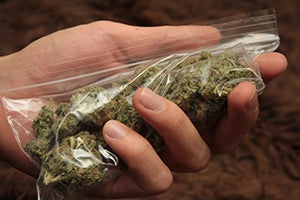
Although recreational marijuana was legalized under Proposition 64, selling cannabis without a state license remains a criminal offense.
Many people mistakenly believe that legalization means all marijuana-related conduct is lawful. That is not correct.
Unlawful marijuana sales under HS 11360 can still lead to misdemeanor or felony charges, significant fines, and even prison time.
If you are under investigation or charged with violating Health and Safety Code 11360, you should speak with an experienced California criminal defense attorney immediately.
Your best hope for a favorable outcome is with a defense attorney at Esfandi Law Group. To schedule a free consultation, call (310) 274-6529 or contact us here.
What Does Health and Safety Code 11360 Prohibit?
HS 11360 prohibits the following acts involving marijuana or cannabis:
-
Selling marijuana
-
Furnishing or administering marijuana
-
Giving away marijuana
-
Transporting marijuana for sale
-
Importing marijuana into California
-
Offering or attempting to do any of the above
The law applies to:
-
Cannabis flower
-
Marijuana concentrates (such as hash or hash oil)
-
Edibles (gummies, brownies, etc.)
Even giving marijuana away for free can violate HS 11360 if done outside the scope of licensed distribution.
In California, stop-and-frisk encounters—often called Terry stops—are governed by the Fourth Amendment to the U.S. Constitution, which protects individuals against unreasonable searches and seizures.
What Must the Prosecutor Prove?
To secure a conviction under HS 11360, the prosecutor must prove beyond a reasonable doubt that:
-
The defendant sold, transported for sale, imported, furnished, or gave away marijuana;
-
The defendant knew of the marijuana's presence;
-
The defendant knew of its nature as a controlled substance;
-
There was a usable amount of cannabis.
Intent and knowledge are critical elements.
In transportation cases, prosecutors must also show the marijuana was being transported for sale, not merely for personal use.
Difference Between Possession for Sale and Actual Sales
There is a legal distinction between:
-
Health and Safety Code 11359 – possession of marijuana for sale; and
-
Health and Safety Code 11360 – actually selling or transporting for sale.
Possession for sale involves intent to sell, even if no sale occurred. HS 11360 covers completed sales, offers to sell, and transportation linked to distribution.
Penalties for HS 11360 Marijuana Sales
After Proposition 64, most unlawful marijuana sales cases are charged as misdemeanors. However, certain aggravating factors can elevate the charge to a felony.
Misdemeanor Penalties
A misdemeanor conviction under HS 11360 carries:
-
Up to 6 months in county jail
-
A fine of up to $500
-
Summary probation
Felony Penalties
HS 11360 may be charged as a felony if:
-
The defendant has two or more prior marijuana sales convictions;
-
The offense involves more than 28.5 grams of marijuana or more than 4 grams of concentrated cannabis imported into or exported out of California;
-
The defendant sold or attempted to sell to a minor under 18;
-
The defendant has prior serious felony convictions (such as murder, rape, or sex offenses requiring registration under Penal Code 290).
Felony penalties include:
-
Two, three, or four years in state prison
-
A fine of up to $10,000
-
Formal probation (in some cases)
A felony conviction also results in a lifetime firearm ban and ineligibility for certain diversion programs.
Common Defenses to HS 11360 Charges
An experienced defense attorney may raise several strategies depending on the facts.
Personal Use, Not Sales
Adults 21 and older may legally possess marijuana for personal use.
If prosecutors cannot prove intent to sell, the charge may be reduced or dismissed. Evidence commonly used to show intent includes:
-
Large quantities
-
Packaging materials
-
Digital scales
-
Large amounts of cash
-
Text messages or sales communications
Licensed Caregiver or Legal Authorization
In some cases, a defendant may have acted as a lawful caregiver under California medical marijuana laws.
Proof of lawful authorization may defeat the charges.
Illegal Search and Seizure
Many marijuana cases arise from traffic stops, home searches, or warrantless searches.
If law enforcement violated the Fourth Amendment by conducting an unlawful search or seizure, the defense can file a motion to suppress the evidence.
If the marijuana is suppressed, the case may be dismissed.
Lack of Knowledge
The prosecution must prove the defendant knew the substance was marijuana and knew it was present.
If knowledge cannot be proven, the charge cannot stand.
Related California Drug Offenses
HS 11360 cases are often filed alongside related drug charges, including:
-
Health and Safety Code 11357 – Marijuana possession
-
Health and Safety Code 11358 – Marijuana cultivation
-
Health and Safety Code 11359 – Possession for sale of marijuana
-
Health and Safety Code 11361 – Selling marijuana to a minor
-
Health and Safety Code 11351 – Possession for sale of a controlled substance
-
Health and Safety Code 11352 – Sale or transportation of a controlled substance
-
Health and Safety Code 11366 – Operating a drug house
-
Health and Safety Code 11370 – Possession of drug money
Other Related Crimes
- California Vehicle Code 23222(b) makes it unlawful for a driver to operate a motor vehicle while possessing an open container of cannabis or loose marijuana that is accessible within the vehicle.
- Under California Health and Safety Code 11361 HS, selling or giving marijuana to a minor is a strictly prosecuted offense that carries mandatory state prison sentences.
- California Health and Safety Code 109575 HS makes it a crime to knowingly manufacture, distribute, or possess an imitation controlled substance with the intent to distribute.
- Under California Penal Code 186.10 PC, money laundering is considered a serious crime with life-changing penalties.
The specific charges depend on the circumstances of the arrest.
Frequently Asked Questions About HS 11360
Is selling marijuana illegal in California?
Yes, unless you are properly licensed under California's cannabis regulatory system.
Can I be charged for giving marijuana away?
Yes. Giving away marijuana without proper authorization can violate HS 11360.
Is HS 11360 always a felony?
No. Most cases are charged as misdemeanors, but aggravating factors can make it a felony.
What makes a marijuana case a felony?
Selling to minors, importing large quantities, repeat offenses, or prior serious felony convictions can elevate the charge.
Can marijuana charges be dismissed?
Yes. If the search was illegal, intent to sell cannot be proven, or lawful authorization applies, charges may be reduced or dismissed.
What To Do If You Are Charged With Marijuana Sales
If you are under investigation or have been arrested for unlawful marijuana sales, early legal intervention can significantly impact the outcome.
Defense strategies may include:
-
Pre-filing intervention
-
Negotiating misdemeanor treatment
-
Challenging probable cause
-
Filing suppression motions
-
Seeking charge reduction
Do not discuss your case with law enforcement without an attorney present.
Speak With a California Criminal Defense Attorney
Unlawful marijuana sales charges under Health and Safety Code 11360 can carry serious consequences, including jail time, heavy fines, and long-term criminal record implications.
An experienced criminal defense attorney can evaluate the evidence, challenge unlawful searches, and fight to reduce or dismiss the charges.
If you or someone you know is facing HS 11360 charges, seek legal guidance immediately to protect your rights and your future.
Esfandi Law Group is here to help. Schedule your free consultation at (310) 274-6529 or use the contact form here.