
Grand Theft Auto Laws in California – Penal Code 487(d)(1)
Grand theft auto, often referred to as GTA, is defined under California Penal Code 487(d)(1). This statute makes it illegal to intentionally take someone else's vehicle without permission and with the intent to deprive the owner of possession.
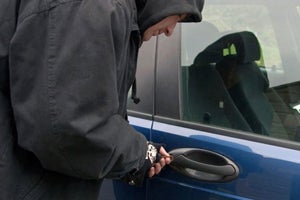
Vehicle theft is one of the most frequently prosecuted property crimes in California. Prosecutors throughout Los Angeles County and other parts of the state aggressively pursue these cases because stolen vehicles are often connected to other criminal activity.
Grand theft auto is classified as a “wobbler” offense in California.
This means prosecutors may charge the offense as either a misdemeanor or a felony, depending on the circumstances of the case and the defendant's criminal history.
A common example of grand theft auto occurs when someone steals a vehicle to use as a getaway car in another crime, or takes a car to sell its parts through an illegal chop shop.
Although a GTA arrest can be serious, it is important to remember that an arrest does not mean a conviction. Defendants still have the right to challenge the evidence and raise legal defenses.
For the best possible outcome, consider reaching out to an experienced California criminal defense attorney at Esfandi Law Group. We're here to help—call us for a free consultation at (310) 274-6529 or get in touch with us here.
Legal Definition of Grand Theft Auto
Under Penal Code 487(d)(1), grand theft auto occurs when someone unlawfully takes a vehicle belonging to another person with the intent to permanently deprive the owner of possession.
To secure a conviction, prosecutors must prove several legal elements beyond a reasonable doubt.
The elements of grand theft auto are listed in California jury instructions known as CALCRIM 1820.
These elements generally include:
-
The defendant took possession of a vehicle owned by someone else
-
The owner did not give permission to take the vehicle
-
The vehicle was worth more than $950
-
The defendant intended to permanently deprive the owner of the vehicle or keep it long enough to significantly reduce its value or use
-
The defendant moved the vehicle, even a short distance, and kept it for some period of time
Grand theft auto charges may also arise when someone deceives a vehicle owner into relinquishing possession. This can be prosecuted as theft by false pretenses.
Grand Theft Auto vs Joyriding
Many grand theft auto cases also involve charges under California Vehicle Code 10851, commonly known as joyriding.
Joyriding occurs when someone takes or drives another person's vehicle without permission, but without the intent to permanently steal it.
The key difference between grand theft auto and joyriding is the defendant's intent.
-
Grand theft auto requires intent to permanently deprive the owner of the vehicle
-
Joyriding involves the temporary use of the vehicle without permission
Because intent can be difficult to prove, prosecutors sometimes file both charges in the same case.
Penalties for Grand Theft Auto
Penal Code 487(d)(1) is a wobbler offense, meaning prosecutors can charge it as either a misdemeanor or a felony.
Misdemeanor penalties
If charged as a misdemeanor, possible penalties include:
-
Up to one year in county jail
-
A fine of up to $1,000
-
Summary probation
-
Restitution to the victim
Felony penalties
If charged as a felony, potential penalties include:
-
16 months in state prison
-
Two years in state prison
-
Three years in state prison
-
Fines up to $10,000
Felony convictions can also create long-term consequences such as difficulty finding employment, loss of professional licenses, and potential immigration consequences.
Sentencing Enhancements for High-Value Vehicles
California law allows additional prison time when the value of the stolen vehicle is unusually high.
Possible enhancements include:
-
One additional year if the vehicle value exceeds $65,000
-
Two additional years if the vehicle value exceeds $200,000
These enhancements apply when prosecutors prove the value of the stolen property exceeds certain thresholds.
Related California Crimes
Several criminal offenses are closely related to grand theft auto under Penal Code 487(d)(1). Prosecutors often file these charges together, depending on how the vehicle was taken and used, and whether other crimes occurred during the incident.
Unlawful Taking or Driving a Vehicle – Vehicle Code 10851
Vehicle Code 10851 makes it illegal to take or drive someone else's vehicle without the owner's consent. Unlike grand theft auto, this offense does not require prosecutors to prove the defendant intended to permanently steal the vehicle.
Instead, it can apply when someone temporarily uses a vehicle without permission. This crime is commonly referred to as joyriding and can be charged as either a misdemeanor or a felony.
Carjacking – Penal Code 215
Carjacking occurs when someone takes a motor vehicle directly from another person through force or fear. Unlike grand theft auto, carjacking requires that the victim be present and that the vehicle is taken by intimidation, threats, or physical force. Carjacking is always charged as a felony and is considered a violent crime under California law.
Auto Burglary – Penal Code 459
Auto burglary occurs when someone enters a locked vehicle with the intent to commit theft or another felony inside the vehicle. This offense focuses on unlawful entry with criminal intent rather than the actual taking of the vehicle itself.
Prosecutors may charge someone with burglary if they break into a car to steal property or attempt to steal the vehicle.
Intentionally tampering with, damaging, or removing parts from someone else's vehicle without permission is illegal. This offense is governed by California Vehicle Code 10852 VC and is often called "tampering with a motor vehicle."
Receiving Stolen Property – Penal Code 496
Receiving stolen property occurs when someone knowingly buys, receives, conceals, or sells property that has been stolen.
A person can face charges under this statute even if they did not participate in the vehicle's original theft. If someone knowingly purchases or possesses a stolen car, they may be prosecuted under this law.
Under California Penal Code § 496d PC, it is a criminal offense to buy, receive, conceal, sell, or withhold a motor vehicle, trailer, special construction equipment, or motorized vessel knowing that the property is stolen, known as "receiving a stolen vehicle."
Grand Theft – Penal Code 487
Grand theft is a broader theft offense that applies when someone unlawfully takes property valued at more than $950. Grand theft auto is a specific form of grand theft that involves vehicles. Other forms of grand theft may involve money, grand theft firearms, high-value personal property, or real estate.
Petty Theft – Penal Code 484
Petty theft occurs when someone unlawfully takes property valued at $950 or less. While this offense typically involves smaller items such as merchandise or personal belongings, it is closely related to other theft crimes because the prosecution must prove similar elements involving intent and unlawful taking.
Operating a Chop Shop – Vehicle Code 10801
Operating a chop shop occurs when someone knowingly dismantles stolen vehicles to sell their parts or alter vehicle identification numbers. Chop shop operations are often connected to organized auto theft rings and can carry serious felony penalties.
Possession of Burglary Tools – Penal Code 466
Penal Code 466 makes it illegal to possess tools commonly used to break into vehicles or buildings with the intent to commit burglary or theft. This may include tools used to break windows, unlock car doors, or bypass vehicle ignition systems.
Legal Defenses to Grand Theft Auto Charges
A skilled criminal defense attorney may challenge grand theft auto allegations using several strategies.
Lack of intent
Grand theft auto requires proof that the defendant intended to permanently deprive the owner of the vehicle. If prosecutors cannot prove this intent, the charge may be reduced or dismissed.
Owner consent
If the defendant reasonably believed they had the owner's permission to use the vehicle, the offense may not qualify as theft.
Claim of right
A defendant may argue that they believed the vehicle belonged to them or that they had a legal right to possess it. This is sometimes called the claim of right defense.
False accusations or mistaken identity
Some vehicle theft cases involve mistaken identity or false accusations. Surveillance footage, witness statements, and forensic evidence may be challenged by the defense.
Frequently Asked Questions
What is grand theft auto in California?
Grand theft auto occurs when someone unlawfully takes another person's vehicle with the intent to permanently deprive the owner of possession.
Is grand theft auto a felony in California?
Grand theft auto is considered a wobbler offense. Prosecutors can charge it as either a misdemeanor or a felony, depending on the circumstances.
What is the difference between GTA and joyriding?
Grand theft auto requires intent to permanently steal the vehicle, while joyriding involves temporarily using a vehicle without permission.
What is the maximum sentence for grand theft auto?
If charged as a felony, grand theft auto can result in up to three years in California state prison, along with fines and restitution.
Criminal Defense for Grand Theft Auto Charges
Grand theft auto charges can carry serious penalties and long-term consequences. However, prosecutors must prove every element of the offense beyond a reasonable doubt.
An experienced criminal defense attorney can review the evidence, challenge weaknesses in the prosecution's case, and pursue strategies that may lead to reduced charges or dismissal.
If you are facing allegations under California Penal Code 487(d)(1), seeking legal representation early can help protect your rights and improve the chances of a favorable outcome.
Esfandi Law Group represents clients throughout Los Angeles County and Southern California. Contact the firm for a confidential consultation to discuss your case and legal options.