
Auto Burglary Law in California – Penal Code 459
Auto burglary is defined under California Penal Code 459 and is commonly referred to as car burglary or vehicle burglary. This offense occurs when someone enters a locked vehicle with the intent to commit theft or another felony inside.
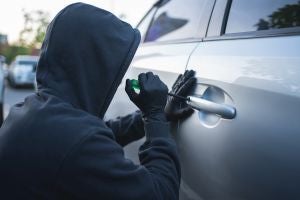
Auto burglary is classified as second-degree burglary in California. The crime focuses on entering a locked vehicle with criminal intent, not necessarily on stealing the vehicle itself.
This offense is different from grand theft auto under Penal Code 487(d)(1). Grand theft auto involves stealing the vehicle itself, while auto burglary involves entering a vehicle to steal property located inside.
Auto burglary cases are frequently prosecuted in Los Angeles County and throughout California. In many situations, prosecutors may also file additional charges, such as vandalism, if the vehicle was damaged during the break-in.
Understanding how California law defines auto burglary and how prosecutors prove the case is critical if you are facing these allegations.
Your optimal opportunity for a favorable outcome if charged with a burglary offense resides with an experienced California criminal defense attorney at Esfandi Law Group. To arrange a complimentary consultation, kindly call (310) 274-6529 or contact us through our provided channels.
Legal Definition of Auto Burglary
Under California Penal Code 459, auto burglary occurs when a person enters a locked vehicle with the intent to commit theft or any felony offense.
The statute states that any person who enters a locked vehicle with the intent to commit grand theft, petty theft, or another felony is guilty of burglary.
To obtain a conviction, prosecutors must prove the following elements beyond a reasonable doubt:
-
the defendant entered a vehicle
-
the vehicle was locked
-
the defendant intended to commit theft or another felony when entering the vehicle
Importantly, prosecutors do not need to prove that the theft actually occurred. If they can prove that the defendant entered the vehicle with the intent to steal property, that alone may be enough for a conviction.
What Qualifies as a Locked Vehicle
For the purposes of an auto burglary charge, a vehicle is considered locked if it has locking mechanisms that secure the doors or trunk.
Even if a vehicle has a mechanical defect that prevents the lock from functioning properly, the vehicle may still be considered locked if it was designed to lock and the defendant used force to gain entry.
Examples of locked vehicles include:
-
vehicles with locked doors
-
vehicles with locked trunks
-
vehicles with closed windows and functioning locking systems
If the vehicle was unlocked, prosecutors may not be able to prove the burglary element.
Common Examples of Auto Burglary
Auto burglary cases typically involve attempts to steal property inside a vehicle.
Examples include:
-
breaking a car window to steal a laptop or purse
-
forcing open a car door to take a wallet or electronics
-
breaking into a locked trunk to steal items stored inside
-
entering a locked vehicle to steal tools or other valuables
These incidents often occur in parking lots, residential streets, or commercial areas where vehicles are left unattended.
Difference Between Auto Burglary and Grand Theft Auto
Auto burglary and grand theft auto are separate crimes under California law.
Auto burglary occurs when someone enters a locked vehicle to steal property inside.
Grand theft auto occurs when someone steals the vehicle itself.
A defendant may face both charges if they enter a locked vehicle with the intent to steal the vehicle.
Legal Penalties for Auto Burglary
Auto burglary is considered a wobbler offense in California. This means prosecutors can charge the crime as either a misdemeanor or a felony, depending on the circumstances of the case.
Factors prosecutors often consider include the defendant's criminal history and the seriousness of the offense.
Misdemeanor penalties
If charged as a misdemeanor, possible penalties include:
-
up to one year in county jail
-
fines
-
restitution to the victim
-
misdemeanor probation
-
protective or stay-away orders
Felony penalties
If charged as a felony, penalties may include:
-
16 months in state prison
-
two years in state prison
-
three years in state prison
-
fines and restitution
-
formal probation
In some cases, a felony conviction may later be reduced to a misdemeanor under Penal Code 17(b) after successful completion of probation.
Related California Crimes
Several criminal offenses are closely related to auto burglary under California Penal Code 459. Depending on the circumstances of the case, prosecutors may file multiple charges at once.
Attempted Burglary – Penal Code 664 / 459
Attempted burglary occurs when someone takes a direct step toward committing burglary but does not successfully complete all elements of the crime. For example, attempting to break into a locked vehicle but stopping after the car alarm is triggered may result in attempted burglary charges.
Tampering With a Vehicle – Vehicle Code 10852
Vehicle Code 10852 makes it illegal to tamper with a vehicle or its contents without the owner's consent. This law may apply when someone interferes with a vehicle or attempts to remove parts from it without necessarily entering the vehicle.
Grand Theft Auto – Penal Code 487(d)(1)
Grand theft auto occurs when someone unlawfully takes another person's vehicle with the intent to permanently deprive the owner of possession. This crime differs from auto burglary because the focus is on stealing the vehicle itself rather than its contents.
Unlawful Taking or Driving a Vehicle – Vehicle Code 10851
Vehicle Code 10851 makes it illegal to take or drive someone else's vehicle without permission. This offense is commonly referred to as joyriding when the intent is to temporarily use the vehicle rather than permanently steal it.
Vandalism – Penal Code 594
Vandalism involves damaging or destroying another person's property. In auto burglary cases, vandalism charges may be added when a vehicle window, lock, or door is broken to gain entry.
Possession of Burglary Tools – Penal Code 466
Possession of burglary tools occurs when someone has tools commonly used to break into vehicles or buildings with the intent to commit burglary or theft. Examples may include slim jims, lock picks, or other specialized tools used to gain entry.
Receiving Stolen Property – Penal Code 496
Receiving stolen property occurs when someone buys, receives, conceals, or sells property that they know or reasonably should know was stolen. A person may face this charge even if they were not involved in the original theft.
Legal Defenses to Auto Burglary Charges
A criminal defense attorney may challenge auto burglary charges using several defense strategies depending on the facts of the case.
Lack of intent
Prosecutors must prove the defendant intended to commit theft or another felony when entering the vehicle. If intent cannot be proven, the charge may be dismissed or reduced.
Vehicle was not locked
If the vehicle was not locked at the time of entry, prosecutors may not be able to prove burglary occurred.
Mistaken identity
Auto burglary cases often rely on eyewitness testimony or surveillance footage. These forms of evidence can sometimes lead to mistaken identification.
Insufficient evidence
If the prosecution cannot prove every element of the offense beyond a reasonable doubt, the defendant cannot be convicted.
Frequently Asked Questions
What is auto burglary under California Penal Code 459?
Auto burglary occurs when someone enters a locked vehicle with the intent to commit theft or another felony within it. The crime focuses on the unlawful entry into a locked vehicle rather than whether property was actually stolen.
Does a person have to steal something to be charged with auto burglary?
No. A person can still be charged with auto burglary even if nothing was taken from the vehicle. Prosecutors only need to prove that the person entered a locked vehicle with the intent to commit theft or another felony at the time of entry.
Is auto burglary a felony in California?
Auto burglary is classified as a “wobbler” offense. This means prosecutors may charge the crime as either a misdemeanor or a felony, depending on the circumstances of the case and the defendant's criminal history.
What is the difference between auto burglary and vehicle tampering?
Auto burglary involves entering a locked vehicle with the intent to commit theft or another felony. Vehicle tampering occurs when someone interferes with a vehicle or its contents without necessarily entering the vehicle.
Can auto burglary charges be reduced or dismissed?
Yes. In some cases charges may be reduced or dismissed if the prosecution cannot prove that the vehicle was locked or cannot prove the defendant had the intent to commit theft when entering the vehicle. An experienced criminal defense attorney may also negotiate for reduced charges or alternative sentencing depending on the circumstances.
Criminal Defense for Auto Burglary Charges
Auto burglary charges can carry serious consequences, including jail time, fines, and a permanent criminal record.
However, prosecutors must prove every element of the offense beyond a reasonable doubt. An experienced criminal defense attorney can analyze the evidence, challenge the prosecution's case, and pursue strategies to reduce or dismiss the charges.
If you are under investigation or have been charged with auto burglary under California Penal Code 459, speaking with a California criminal defense attorney as soon as possible can significantly affect the outcome of your case.
Esfandi Law Group represents clients throughout Los Angeles County and Southern California in burglary and theft-related cases. Contact the firm for a confidential consultation to review your legal options.