
California Vehicle Code 23136 VC – Underage DUI Zero-Tolerance Law
California enforces some of the strictest drunk-driving laws in the United States, particularly for drivers under the age of 21.
Under California Vehicle Code 23136, often referred to as the Zero-Tolerance Law, it is illegal for anyone under 21 to drive with a blood alcohol concentration (BAC) of 0.01 percent or higher.
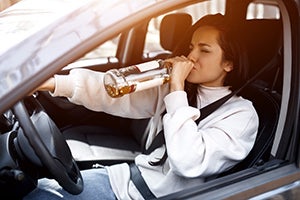
This law means that even a minimal amount of alcohol in an underage driver's system can trigger serious administrative consequences.
A violation of VC 23136 does not require proof that the driver was impaired. If any measurable alcohol is detected, the Department of Motor Vehicles (DMV) can suspend the driver's license.
For many young drivers, the most immediate consequence is a one-year driver's license suspension unless the citation is successfully challenged.
Your best hope for a positive outcome is with an experienced California criminal defense attorney at Esfandi Law Group. To schedule a free consultation, call (310) 274-6529 or contact us here.
What Is California's Zero-Tolerance Law for Underage Drivers?
California Vehicle Code 23136 was enacted in 1994 in response to increasing concerns about underage drinking and driving. The statute establishes a zero-tolerance standard for drivers under the age of 21.
Under this law, a driver under 21 violates VC 23136 if:
-
They operate a motor vehicle
-
They are under the age of 21
-
A chemical test shows a BAC of 0.01 percent or higher
Even small amounts of alcohol can raise a BAC to 0.01 percent. Alcohol detected under this law can come from any source, including alcoholic beverages, cough syrup, or other medications containing alcohol.
The statute states that the law does not prevent prosecution under other DUI statutes, meaning additional criminal charges may still apply if the BAC is higher.
Related Legal Topics
- In California, hitting a parked car can occur in just seconds, but your immediate response can decide if it stays a minor issue or turns into a criminal matter.
- California open-container laws regulate the possession and consumption of alcohol and cannabis in vehicles. These laws are intended to reduce impaired driving, protect public safety, and prevent distractions while driving.
- Under Business and Professions Code 25661, it is illegal for anyone under 21 to possess or use false ID, including using someone else's valid ID or carrying a fake document to buy alcohol.
- California law recognizes two main types of misdemeanor DUI offenses under this statute: driving while impaired and driving with a blood alcohol concentration at or above the legal limit.
- Boating under the influence, often called a BUI, is strictly regulated under California Harbors and Navigation Code 655.
- According to California Vehicle Code 23152e VC, taxi, limousine, and ride-sharing drivers are prohibited from operating a vehicle with a blood alcohol concentration (BAC) of 0.04 percent or higher when a paying passenger is present.
- California Vehicle Code 23221 VC prohibits drinking alcohol or smoking marijuana while driving or riding inside a vehicle on a public road.
- If you were arrested for DUI in California and underwent a chemical blood test, the results are not automatically the final outcome of your case. You can file a blood split motion to ask for an independent retesting of your blood sample
Preliminary Alcohol Screening (PAS) Testing for Underage Drivers
A preliminary alcohol screening (PAS) test is a roadside breath test typically administered with a handheld breathalyzer.
For drivers age 21 and older, the PAS test is generally optional before an arrest is made.
However, California law treats underage drivers differently. When a person under 21 receives a driver's license, they are considered to have given implied consent to a PAS test if an officer suspects alcohol consumption.
Key points about PAS tests for drivers under 21
-
Refusing the PAS test can lead to an automatic license suspension
-
The test measures blood alcohol concentration through breath analysis
-
PAS results may be used as evidence in DMV administrative proceedings
Because underage drivers do not have the same right to refuse testing, it is important to understand how this law works during a traffic stop.
California's Strict Enforcement Against Underage Drinking and Driving
California law imposes additional restrictions on drivers under the age of 21. The zero-tolerance law is designed to discourage any alcohol consumption before driving.
Two important rules apply to underage drivers.
Reduced BAC threshold
The legal BAC limit for adult drivers is 0.08 percent. For drivers under 21, the threshold is drastically lower.
A BAC of just 0.01 percent is enough to trigger a violation.
Even a small amount of alcohol can reach this level.
Mandatory participation in testing
Drivers under 21 do not have the same right to refuse a preliminary breath test as adult drivers.
If an officer suspects alcohol consumption, the underage driver must submit to the PAS test.
Refusing the test can result in an automatic driver's license suspension.
Penalties for Violating Vehicle Code 23136
A violation of VC 23136 is considered a civil administrative offense rather than a criminal offense.
However, the consequences can still be serious.
Driver's license suspension
The primary penalty for violating the zero-tolerance law is a one-year suspension of the driver's license.
If a driver is cited under VC 23136:
-
The officer will confiscate the driver's license
-
A temporary license valid for 30 days will be issued
-
The driver must request a DMV hearing within 10 days
If the driver fails to request a hearing within 10 days, the suspension automatically begins once the temporary license expires.
Possible additional DUI charges
Although VC 23136 itself is not a criminal offense, higher BAC levels may lead to criminal DUI charges under other California laws.
For example:
-
A BAC of 0.05 percent or higher may lead to additional penalties
-
A BAC of 0.08 percent or higher can result in standard DUI charges
These charges may include fines, probation, DUI education programs, and possible jail time.
Vehicle Code 23540 VC is a California law that imposes additional penalties if you receive a second DUI conviction within ten years of a prior DUI conviction.
California Vehicle Code 22651 details the circumstances under which law enforcement officers and authorized personnel are permitted to tow and impound a vehicle.
Restricted Hardship License for Underage Drivers
Losing driving privileges for one year can significantly disrupt school, employment, and family responsibilities. California law provides a limited option for some drivers through a restricted hardship license.
A restricted license allows limited driving privileges during the suspension period.
Typical permitted uses include:
-
Driving to and from school
-
Driving to and from work
-
Driving for medical appointments
Requirements for a hardship license
To qualify, the driver must demonstrate:
-
A legitimate need to drive for school, work, or family health reasons
-
Lack of adequate alternative transportation
-
Compliance with chemical testing requirements
Drivers who refused a PAS or chemical test are generally not eligible for a restricted hardship license.
Even if approved, the driver must first complete a mandatory 30-day suspension period before the restricted license becomes effective.
How to Contest a Vehicle Code 23136 Citation
Drivers cited under the zero-tolerance law have the right to challenge the license suspension through a DMV administrative hearing.
The request for a hearing must be made within 10 days of receiving the citation.
During the hearing, the driver may present evidence and challenge the officer's conclusions.
Common defense arguments include:
-
The officer lacked probable cause for the traffic stop
-
The driver was not actually operating the vehicle
-
The chemical test results were inaccurate
-
The driver was not properly advised about PAS testing requirements
An experienced DUI defense attorney can help gather evidence, subpoena witnesses, and challenge the testing procedures used in the case.
Related California DUI and Alcohol Offenses
Vehicle Code 23152 – Driving Under the Influence
Vehicle Code 23152 is the standard California DUI statute that applies to adult drivers. A driver violates this law if they drive while impaired by alcohol or drugs or if their BAC is 0.08 percent or higher (DUI per se).
A conviction can result in probation, fines between $390 and $1,000, DUI education programs, license suspension, and up to six months in county jail for a first offense.
A typical drunk driving arrest, mainly governed by California Vehicle Code Section 23152 VC, is usually prosecuted as a DUI misdemeanor.
You can expunge a DUI conviction if you've completed probation, met all court requirements, and were not sentenced to state prison. Typically, this process is requested under California Penal Code Section 1203.4.
Vehicle Code 23140 – Underage DUI With a BAC of 0.05 Percent
Vehicle Code 23140 applies specifically to drivers under the age of 21 who operate a vehicle with a BAC of 0.05 percent or higher.
This offense is typically charged as an infraction but carries significant consequences, including a one-year license suspension, fines, and mandatory alcohol education programs.
Vehicle Code 23224 – Minor in Possession of Alcohol in a Vehicle
Vehicle Code 23224 makes it illegal for anyone under 21 to possess alcohol in a vehicle unless certain exceptions apply. This misdemeanor can lead to fines up to $1,000, vehicle impoundment for up to 30 days, and a one-year driver's license suspension.
Why Hiring a DUI Defense Lawyer Can Help
Although a VC 23136 violation is an administrative offense, the consequences can still affect a young driver's future.
A defense attorney can help by:
-
Requesting and representing the driver at the DMV hearing
-
Challenging the legality of the traffic stop
-
Examining the reliability of chemical testing equipment
-
Negotiating reduced penalties where possible
-
Assisting with hardship license applications
Early legal representation often improves the chances of avoiding or reducing a license suspension.
Frequently Asked Questions About California's Zero-Tolerance Law
What BAC level violates the underage DUI zero-tolerance law?
Drivers under 21 violate VC 23136 if their blood alcohol concentration is 0.01 percent or higher.
Is a VC 23136 violation a criminal offense?
No. A violation is considered a civil administrative offense handled by the DMV rather than a criminal charge.
Can I refuse a breath test if I am under 21?
No. Underage drivers are considered to have given implied consent to preliminary alcohol screening tests. Refusing the test can lead to an automatic license suspension.
How long will my license be suspended?
The standard suspension for a VC 23136 violation is one year.
Can I challenge the license suspension?
Yes. You can request a DMV hearing to contest the citation. The request must be made within 10 days.
Can I still be charged with DUI?
Yes. If your BAC is 0.05 percent or higher or if you are impaired, prosecutors may pursue additional DUI charges under other laws.
Speak With a California DUI Defense Attorney
Underage DUI allegations can have serious consequences for a young driver's education, employment opportunities, and future driving privileges. Because you only have ten days to request a DMV hearing after receiving a citation, acting quickly is essential.
An experienced DUI defense attorney can evaluate the facts of your case, challenge the evidence, and help protect your driving privileges.
If you or your child has been cited under California Vehicle Code 23136, speaking with a knowledgeable defense lawyer as soon as possible can make a critical difference in the outcome of the case.
Esfandi Law Group is here to help. Schedule your free consultation at (310) 274-6529 or use the contact form here.