
Vehicular Manslaughter While Intoxicated – California Penal Code 191.5(b)
Vehicular manslaughter while intoxicated under California Penal Code 191.5(b) occurs when a person drives under the influence of alcohol or drugs and causes the death of another person through ordinary negligence.
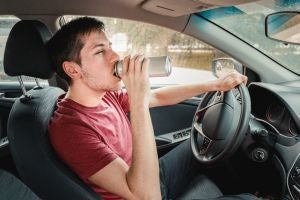
Unlike murder, this offense does not require intent to kill. Instead, prosecutors must prove that the driver was impaired and that negligent driving caused a fatal accident.
Penal Code 191.5 contains two different DUI manslaughter offenses.
Subsection (a) applies when the driver acted with gross negligence, while subsection (b) applies when the driver acted with ordinary negligence.
Although the conduct may be considered less severe than gross negligence, a conviction for DUI vehicular manslaughter can still carry serious penalties, including jail or prison time, driver's license suspension, and significant financial consequences.
Your best hope for a positive outcome is with an experienced California criminal defense attorney at Esfandi Law Group. To schedule a free consultation, call (310) 274-6529 or contact us here.
What Is Vehicular Manslaughter While Intoxicated Under Penal Code 191.5(b)?
California Penal Code 191.5(b) defines vehicular manslaughter while intoxicated as the unlawful killing of a human being without malice while driving under the influence and committing a negligent act that results in death.
In simple terms, the law applies when:
-
A driver is under the influence of alcohol or drugs
-
The driver commits an unlawful act or a negligent act while driving
-
The negligent conduct causes the death of another person
This offense is commonly referred to in California courts as vehicular manslaughter while intoxicated with ordinary negligence.
Legal Elements the Prosecutor Must Prove
To convict someone of violating Penal Code 191.5(b), prosecutors must prove several elements beyond a reasonable doubt.
These elements include:
-
You were driving a motor vehicle
-
You were under the influence of alcohol or drugs
-
While driving, you committed an unlawful act or a lawful act in a negligent manner
-
Your negligent conduct caused the death of another person
If prosecutors cannot prove each element, the case may be reduced or dismissed.
Driving Under the Influence in California
Driving under the influence in California generally means operating a vehicle while impaired by alcohol, drugs, or a combination of both.
A driver may be considered under the influence if:
-
Their blood alcohol concentration is 0.08 percent or higher
-
Alcohol and drugs together impair driving ability
Even if the driver's BAC is below 0.08 percent, prosecutors may still argue that impairment existed based on the totality of the evidence.
What Is Ordinary Negligence?
Ordinary negligence refers to careless conduct that falls below the standard of care expected from a reasonably careful driver.
Examples of ordinary negligence may include:
-
Looking at a cell phone while driving
-
Following another vehicle too closely
-
Driving slightly above the speed limit
-
Failing to notice pedestrians or cyclists
Ordinary negligence differs from gross negligence, which involves extreme recklessness or a significant departure from the standard of reasonable conduct.
Examples of Vehicular Manslaughter While Intoxicated
Situations that could lead to charges under Penal Code 191.5(b) include:
-
Driving with a BAC of 0.08 percent while distracted by a phone call and striking a pedestrian
-
Driving after using illegal drugs and causing a fatal rear-end collision
-
Driving over 100 mph on a freeway under the influence results in a fatal crash
Each case depends heavily on the facts, including how the accident occurred and the degree of negligence involved.
Penalties for Vehicular Manslaughter While Intoxicated
Penal Code 191.5(b) is considered a wobbler offense. This means prosecutors have discretion to file the case as either a misdemeanor or a felony, depending on the circumstances.
Factors that influence the filing decision include:
-
The severity of the negligence
-
The defendant's criminal history
-
Whether multiple victims were involved
Misdemeanor Penalties
If charged as a misdemeanor, potential penalties include:
-
Up to one year in county jail
-
Fines up to $1,000
-
Summary probation
-
Restitution to the victim's family
Felony Penalties
If charged as a felony, potential penalties include:
-
16 months, 2 years, or 4 years in state prison
-
Additional sentencing enhancements if other victims suffered serious injuries
-
Fines up to $10,000
-
Formal probation in some cases
-
Restitution to the victim's family
Under California Vehicle Code Section 23104, operating a vehicle with reckless or malicious disregard for safety that causes physical injury to another person is illegal, called "reckless driving causing injury."
Additional DUI Consequences
In addition to criminal penalties, a conviction may result in:
-
Driver's license suspension
-
Mandatory DUI education programs
-
Alcohol or drug treatment programs
If the license is suspended and the defendant continues driving, they may face additional charges for driving on a suspended license.
Common Legal Defenses to Penal Code 191.5(b) Charges
Vehicular manslaughter while intoxicated charges can often be challenged through careful analysis of the evidence and accident reconstruction.
You Were Not Under the Influence
A defense attorney may challenge the validity of breath or blood test results.
Potential issues include:
-
Improper testing procedures
-
Faulty breathalyzer equipment
-
Contamination of blood samples
If the DUI evidence is suppressed, the prosecution's case may weaken significantly.
The Driving Was Not Negligent
Another defense is that the driver did not act negligently.
Traffic accidents often involve split-second decisions, and not every mistake qualifies as negligence under the law.
If the driver's conduct was reasonable under the circumstances, the charge may not apply.
The Defendant Did Not Cause the Death
A defense may also argue that another factor caused the fatal accident.
Possible causes may include:
-
Another driver's negligence
-
The victim's own actions
-
Road hazards or poor weather conditions
-
Mechanical failures
If the defendant's actions were not a substantial factor in causing the death, prosecutors may not be able to prove the case.
Related California Offenses
Several other California laws are closely related to vehicular manslaughter while intoxicated.
Penal Code 191.5(a) – Gross Vehicular Manslaughter While Intoxicated
This offense applies when a driver causes a death while driving under the influence and acting with gross negligence.
It carries significantly harsher penalties than Penal Code 191.5(b), including longer prison sentences.
Penal Code 192(c) – Vehicular Manslaughter
Vehicular manslaughter under Penal Code 192(c) involves negligent driving that causes death but does not involve intoxication.
The penalties vary depending on whether the negligence is ordinary or gross.
Penal Code 187 – Murder (Watson Murder)
A "Watson Murder" is a legal term in California for cases in which someone drives under the influence, causes a fatal crash, and faces second-degree murder charges under California Penal Code Section 187 (PC 187).
This charge is often called Watson murder and typically applies when a driver has prior DUI convictions and knowingly disregards the risk of death.
Convictions may result in 15 years to life in prison.
Frequently Asked Questions
Is vehicular manslaughter while intoxicated a felony?
It can be either a misdemeanor or a felony. Prosecutors decide how to charge the case based on the facts and the driver's criminal history.
What is the difference between Penal Code 191.5(a) and 191.5(b)?
Penal Code 191.5(a) involves gross negligence, which is extreme reckless behavior. Penal Code 191.5(b) involves ordinary negligence, which is a lesser level of carelessness.
Can DUI manslaughter charges be reduced?
Yes. Depending on the evidence, prosecutors may reduce charges to a lesser offense, such as DUI causing injury or misdemeanor DUI.
Will my driver's license be suspended?
Yes. A conviction typically results in a driver's license suspension and other DMV penalties.
Speak With a California DUI Vehicular Manslaughter Defense Lawyer
Vehicular manslaughter while intoxicated charges can have life-altering consequences. Prosecutors aggressively pursue these cases, and convictions can result in prison sentences, license suspensions, and permanent criminal records.
A strong defense requires careful investigation of the accident, analysis of the DUI evidence, and expert testimony when necessary.
Esfandi Law Group represents clients facing serious DUI and homicide charges throughout Southern California.
If you are under investigation or have been charged with violating California Penal Code 191.5(b), contact our office immediately to discuss your legal options and defense strategy.