
Blood Split Motions in California DUI Cases
If you were arrested for DUI in California and took a chemical blood test, those results are not necessarily the final verdict in your case.
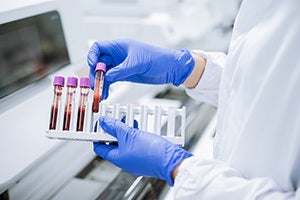
By submitting a blood split motion, you can request an independent retesting of your blood sample.
A well-executed blood split motion can reveal testing mistakes, identify contaminated evidence, and possibly give you the leverage to have your DUI charges reduced or dismissed.
If you are facing issues related to driving under the influence, the most effective way to secure a favorable outcome is to consult an experienced criminal defense attorney at Esfandi Law Group in California.
Schedule your free consultation at (310) 274-6529 or use the contact form here.
What is a Blood Split Motion?
Under Title 17 of the California Code of Regulations (CCR), law enforcement agencies must adhere to strict procedures for collecting and storing chemical samples.
If a driver opts for a blood test instead of a breath test, the technician draws sufficient blood to be divided into multiple containers, or "split" samples.
-
Container 1: Utilized by law enforcement to measure your blood alcohol level (BAC) or identify drugs.
-
Container 2: Maintained and stored specifically to allow the defense to access it for independent review.
A blood split motion is a formal legal request submitted by your DUI defense attorney, asking the court to order the prosecution to send the preserved blood sample to an independent laboratory of your choosing.
Blood Test vs. Breath Test: The Preservation Advantage
When police suspect a driver of DUI, they usually offer a choice between a breath or blood test. Although breath tests are more common, the samples collected cannot be stored for future analysis.
Opting for a blood test preserves physical evidence, allowing your legal team to independently confirm the state's results.
Important Note: Under California's implied consent law, refusing a chemical test following a lawful DUI arrest results in serious penalties, such as an automatic one-year license suspension. Nonetheless, police cannot compel you to submit to a blood test without a warrant.
The Strategic Advantages of a DUI Blood Test
Experienced California criminal defense attorneys frequently advise opting for a blood test rather than a breath test when possible, based on two main reasons:
1. Superior Accuracy and Reliability
Breathalyzers do not directly measure alcohol in your blood. Instead, they analyze "deep lung air" and convert it into a BAC percentage through calculations. This method can be easily influenced by:
-
Mouth alcohol (from recent consumption, rinsing, or medical conditions like GERD)
-
Fluctuations in body temperature
-
Improper machine calibration
A blood test directly measures your blood alcohol level, offering a more accurate reading. This accuracy is especially important in borderline cases where a driver's BAC is right at or near the legal limit.
2. Opportunity for Independent Verification
Since the state is required to keep a part of your blood sample, you have the constitutional right to review the evidence. If the government's testing tools were inaccurate, your defense team can demonstrate this.
California DUI Charges and BAC Thresholds
Independent blood testing plays a crucial role in handling different drunk and drugged driving charges under the California Vehicle Code (VC). A blood split motion can be employed to contest charges such as:
|
California Vehicle Code |
Type of DUI Offense |
Legal BAC Threshold |
| VC 23152(a) | Driving Under the Influence (Impaired Driving) | Any level of impairment |
| VC 23152(b) | Driving with a BAC of 0.08% or Higher | 0.08% or higher |
| VC 23153(f) | Driving Under the Influence of Drugs (DUID) | Any detectable impairment |
| VC 23152(d) | Commercial Vehicle DUI | 0.04% or higher |
| VC 23140 | Underage DUI (Drivers under 21) | 0.05% or higher |
| VC 23136 | Underage Zero Tolerance Law | 0.01% or higher |
How Independent Testing Exposes Title 17 Violations
The state's crime labs are not without error. Title 17 of the California Code of Regulations sets clear requirements that law enforcement and lab technicians must adhere to in order to maintain sample integrity. These regulations specify that:
-
The blood sample should be taken as soon as possible after the alleged offense.
-
Only trained and authorized medical professionals or technicians are permitted to draw blood.
-
The sample must always be kept strictly protected from contamination.
-
The collection vials must hold an exact balance of anticoagulants to prevent clotting and preservatives to avoid fermentation.
Ignoring these highly specific protocols can cause the blood sample to degrade or ferment. Fermentation produces new alcohol within the vial, which can artificially increase your BAC reading. Independent testing helps determine if a violation of Title 17 has taken place, making the prosecution's evidence unreliable.
Frequently Asked Questions
What exactly is a "blood split" in a California DUI case?
A blood split happens when law enforcement collects a blood sample and divides it into two vials. The first vial is used by the police to measure your blood alcohol concentration (BAC). The second vial is kept safely, allowing you and your defense lawyer to send it to an independent lab for confirmation testing.
When should my attorney file a blood split motion?
Your attorney usually files this motion during the pretrial stage of your DUI case, typically after examining the initial discovery evidence from the prosecution. Starting this process early is crucial to give the independent lab enough time to test the sample before trial or entering plea negotiations.
Can a blood split motion be used for a DUI involving drugs (DUID)?
Yes. While most blood split motions primarily verify blood alcohol levels, they are also equally important in cases involving drug-impaired driving (VC 23153(f)). Independent testing can determine the precise drug concentration in your system, distinguish between active metabolites and inactive substances, or assess sample degradation.
What happens if the independent lab results match the police report?
If the independent laboratory verifies that the initial BAC reading was correct—or if it shows a higher BAC—your defense attorney is not legally required to disclose those results to the prosecutor. Due to attorney-client privilege, any unfavorable retest outcomes remain completely confidential and cannot be used against you in court.
How long does the prosecution have to hand over the blood sample?
Once a judge approves the blood split motion, California law typically mandates the prosecution to transfer the preserved sample to your selected independent laboratory within 15 days. Any unjustified delays or failure by the prosecution to produce the sample can lead to court sanctions or a motion to exclude the chemical evidence altogether.
Who pays for the independent testing of the blood sample?
The state is legally obliged to keep and store the split sample, but the defendant bears the financial responsibility for independent lab analysis. These costs generally cover the laboratory's testing fees and any expert witness fees if the toxicologist testifies in court.
How a Defense Attorney Uses Blood Split Results to Fight Charges
If a court grants your blood split motion, the independent lab will run its own analysis. Your defense attorney can use these findings to challenge the prosecution's case in several key ways:
-
Challenging Initial Accuracy: If the independent lab reports a BAC lower than the state's initial test—particularly if it falls below the legal limit of 0.08%—it can generate strong reasonable doubt, potentially leading to dismissal or reduced charges like a "wet reckless."
-
Exposing Chain of Custody & Procedural Errors: Testing can identify whether the sample was stored improperly, subjected to extreme temperatures, or analyzed with uncalibrated equipment.
-
Highlighting Sample Contamination: If the independent lab detects bacterial growth or inadequate preservatives, your attorney can request the complete suppression of the chemical evidence.
What Happens if the Results Are Not Favorable?
The law sets a strict deadline: if a prosecutor does not provide the blood split sample within fifteen days of the order, they risk court sanctions.
If you receive the sample but decide not to test it, or if an independent test confirms the initial high BAC, there is no penalty.
Due to the attorney-client privilege, your defense lawyer isn't obliged to disclose any unfavorable independent test results to the prosecution. If the retest does not support your case, the prosecution will rely on their original lab report during trial.
Discuss Your Case with a California DUI Defense Lawyer
Filing a blood split motion requires prompt legal action and accurate execution to ensure the sample's preservation and proper analysis.
If you are charged with a DUI in California, understanding and navigating the complexities of Title 17 regulations calls for experienced legal counsel.
To explore your legal options and determine if a blood split motion is the right strategy for your defense, contact a qualified criminal defense lawyer at the Esfandi Law Group to schedule a comprehensive case evaluation.