
California Open Container Laws
Vehicle Code 23221–23229 Explained
California open container laws regulate the possession and consumption of alcohol and cannabis inside vehicles. These laws are designed to reduce impaired driving, protect public safety, and prevent distractions behind the wheel.
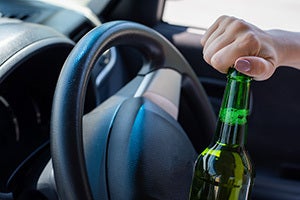
Under California Vehicle Code sections 23221 through 23229, it is illegal in most situations to drink alcohol while driving or to have an open container of alcohol or marijuana inside a vehicle on a public road.
In California, it is generally illegal to have an open container of alcohol in a vehicle or to consume alcohol while driving or riding on a public roadway.
Limited exceptions apply, such as passengers in certain vehicles for hire.
Esfandi Law Group is ready to support you.
Feel free to schedule your free consultation by calling us at (310) 274-6529 or simply fill out the contact form here. We're here to help every step of the way!
What Counts as an Open Container in California?
Under California law, an open container is any bottle, can, or other receptacle that contains alcohol or previously contained alcohol and has been opened, had its seal broken, or had any portion of its contents removed.
The definition focuses on whether the container has been opened, not whether it is currently full, partially full, or empty.
Common examples of open containers
- Beer bottles or cans that have been opened
- Wine bottles with a removed cork or broken seal
- Liquor bottles that have been unsealed
- Cups, glasses, or flasks containing alcohol
- Empty cans or bottles that were previously opened
What does not qualify as an open container
- Factory-sealed alcohol containers
- Unopened bottles stored in their original packaging
- Sealed alcohol transported from a store
Important legal detail
In California, a container can still be considered “open” even if it no longer contains alcohol. If the seal has been broken or the contents were previously consumed, it may still violate open container laws if found inside the passenger area of a vehicle.
Key Takeaway
An open container is defined by its condition, not its contents. If the seal has been broken or the container has been used, it may qualify as an open container under California law, even if it is empty.
California Open Container Laws by Code Section
California regulates open containers of alcohol and cannabis in vehicles through several Vehicle Code sections. Each law addresses a specific situation, including possession, consumption, storage, and exceptions.
Vehicle Code 23221 – Drinking alcohol or using cannabis in a vehicle
Vehicle Code 23221 makes it illegal for drivers or passengers to consume alcohol or smoke marijuana while inside a vehicle on a public roadway. It applies whether the vehicle is moving or temporarily stopped in traffic.
Vehicle Code 23222 – Possession of an open container
This section prohibits possessing an open container of alcohol or cannabis inside a vehicle. The container does not need to be actively consumed—mere possession within the passenger area is enough to violate the law.
California Vehicle Code 23222(b) makes it unlawful for a driver to operate a motor vehicle while possessing an open container of cannabis or loose marijuana that is accessible within the vehicle.
Vehicle Code 23224 – Underage possession in a vehicle
VC 23224 applies to individuals under 21 years old. It prohibits minors from possessing alcohol in a vehicle, whether the container is open or sealed, unless specific exceptions apply, such as parental supervision or employment-related transport.
Vehicle Code 23225 – Legal storage of open containers
This section allows open containers to be stored in areas not accessible to the driver or passengers, such as the trunk or a locked compartment.
Vehicle Code 23226 – Prohibited storage locations
This law makes it illegal to store open containers in areas within reach of occupants, including glove compartments or center consoles.
Vehicle Code 23229 – Exceptions for vehicles for hire
Passengers in vehicles for hire, such as taxis or limousines, are generally allowed to possess and consume alcohol, provided they are not the driver.
Vehicle Code 23229.1 – Restrictions involving minors in hired vehicles
This section prohibits transporting alcohol in vehicles for hire when passengers under 21 are present, even if adults are also in the vehicle.
Key Takeaway
California's open container laws cover possession, consumption, storage, and special exceptions. Violations can occur even without drinking, simply by having an improperly stored or opened container inside the vehicle.
Where Can You Legally Store Alcohol in a Vehicle?
Open containers are only legal when stored in areas not accessible from the passenger compartment.
Examples of legal storage locations:
- The trunk of the vehicle
- A locked container
- A storage area not reachable from inside the vehicle
Improper storage, even without consumption, can still lead to a citation.
Penalties for Open Container Violations in California
Adult vs. Underage Consequences
| Category | Offense Type | Potential Penalties | Additional Consequences | Example |
|---|---|---|---|---|
|
Adults (21 and older) |
Infraction |
Fine up to $250 |
Possible point on DMV record |
Driver cited for open beer can in center console |
|
Adults (repeat or combined violations) |
Infraction (may escalate depending on circumstances) |
Higher fines or additional citations |
May be used as evidence in DUI investigation |
Open container found during DUI stop |
|
Under 21 (possession of alcohol in vehicle) |
Misdemeanor |
Fine up to $1,000 |
Mandatory community service; up to 1-year license suspension |
Minor with alcohol in back seat |
|
Under 21 (open container or consumption) |
Misdemeanor |
Fines and possible court-ordered penalties |
Driver's license suspension; possible probation terms |
Underage passenger drinking alcohol in car |
Key Takeaways
- Most adult open container violations are infractions with fines and possible DMV consequences
- Penalties are significantly more severe for drivers and passengers under 21
- Violations can lead to additional legal issues if combined with DUI or other offenses
- Even minor citations can impact your driving record and insurance rates
Real-World Examples
Example 1
A driver is pulled over for speeding, and police find an open beer can in the center console. The driver receives a citation for an open container.
Example 2
A passenger in a limousine consumes champagne while traveling. This is legal under the vehicle-for-hire exception.
Example 3
A person under 21 is riding in a car with unopened alcohol in the back seat without parental supervision. This may result in a misdemeanor charge.
Common Legal Defenses to Open Container Charges
Several defenses may apply depending on the facts of the case.
Lawful storage
If the container was in the trunk or a locked compartment, it may not violate the law.
The container was not open
If the seal was intact and the container had not been opened, the charge may not apply.
Private property
Open container laws generally apply to public roads. If the incident occurred on private property, the law may not apply.
Lack of possession or control
If the container belonged to another passenger and was not under your control, you may have a valid defense.
Illegal traffic stop or search
If law enforcement lacked probable cause to stop or search the vehicle, the evidence may be suppressed.
Related Crimes and Offenses
Vehicle Code 23152 – Driving under the influence (DUI)
Driving while impaired by alcohol or drugs. More serious than open container violations and carries harsher penalties, including possible jail time.
Under Business and Professions Code 25661, it is illegal for anyone under 21 to possess or use false ID, including using someone else's valid ID or carrying a fake document to buy alcohol.
Penal Code 647(f) – Public intoxication
Being under the influence in public and unable to care for your safety or the safety of others.
Vehicle Code 14601 – Driving with a suspended license
Operating a vehicle while your license is suspended or revoked is often connected to prior DUI offenses.
Health and Safety Code 11362 – Cannabis possession laws
Regulates possession and use of marijuana. Opening cannabis containers in vehicles is also restricted.
Key Takeaways
- Open containers of alcohol or cannabis are generally prohibited in vehicles
- The law applies even if the container is empty but previously opened
- Proper storage in the trunk or a locked compartment is allowed
- Penalties are more severe for drivers and passengers under 21
- Defenses may apply depending on location, possession, and legality of the stop
Frequently Asked Questions
Can you have an open container in the back seat in California?
No. An open container is not allowed anywhere inside the passenger area, including the back seat.
Can passengers drink alcohol in a car?
Only in certain vehicles for hire, such as limousines or taxis.
Is an empty beer bottle considered an open container?
Yes. If it was previously opened, it may still qualify as an open container.
Can you transport alcohol in your car legally?
Yes, but it must be sealed or stored in the trunk or a locked compartment if opened.
What happens if you are under 21 with alcohol in the car?
You may face a misdemeanor charge, fines, and a license suspension.
Speak With a California Criminal Defense Attorney
If you have been cited or charged under California's open container laws, legal guidance can help you understand your options and protect your driving record.
A criminal defense attorney can review the facts, identify defenses, and work to reduce or dismiss the charges.
Your optimal prospect for achieving a favorable outcome is to engage the services of a seasoned criminal defense attorney in California at Esfandi Law Group.
To arrange a complimentary consultation, please call (310) 274-6529 or contact us through this channel.