
California BUI Laws: Harbors and Navigation Code 655 Guide
Operating a boat, jet ski, or other watercraft while intoxicated with alcohol or drugs can lead to serious legal penalties in California.
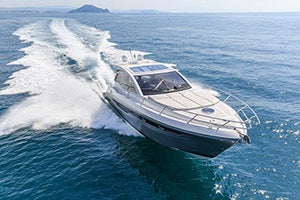
Boating under the influence, commonly known as a BUI, is governed strictly by California Harbors and Navigation Code 655.
Many boat owners who would never consider drinking while driving a car mistakenly believe that the rules are more relaxed on the water.
However, California law treats waterborne impairment with the same gravity as an automotive DUI, and a conviction can result in a permanent criminal record, heavy fines, and potential incarceration.
The Esfandi Law Group can help you. Schedule your free consultation by calling (310) 274-6529 or using the contact form here.
Core Violations Under Harbors and Navigation Code 655
California law clearly bans operating any vessel, watercraft, jet ski, or sailboard when under the influence of drugs or alcohol, or if blood alcohol concentration exceeds certain limits.
The law also applies to towed water sports, so people can be criminally charged for water skiing or wakeboarding while intoxicated.
Harbors and Navigation Code 655b | General Impairment
This section prohibits operating any vessel while under the influence of alcohol, drugs, or both.
As under Vehicle Code 23152a VC for cars, prosecution depends on showing that the operator's physical or mental impairment prevented them from safely navigating the watercraft, to the same standard of care exercised by a sober person using ordinary care.
Harbors and Navigation Code 655c | Recreational Vessel Limit
For recreational boaters, operating a vessel with a blood alcohol concentration of 0.08 percent or higher is illegal.
This aligns with the standard driving limit under Vehicle Code 23152b. A blood alcohol concentration (BAC) at or above this level is presumed to indicate impairment in court, so the prosecution need not show erratic driving to secure a conviction.
Harbors and Navigation Code 655d | Commercial Vessel Limit
Commercial operators are held to a much higher standard. It's a criminal offense to operate a commercial vessel—like a charter boat, sport fishing boat, or passenger ferry—with a blood alcohol concentration of 0.04 percent or more.
Harbors and Navigation Code 655f | Aggravated BUI (BUI Causing Injury)
An operator who operates a vessel while intoxicated and commits an unlawful act or neglects a legal duty that directly results in bodily injury to someone else can be charged with aggravated BUI.
This offense corresponds to the severity of Vehicle Code 23153 VC (DUI causing injury) and can be automatically categorized as a felony if anyone other than the driver sustains physical harm, even if the injury is minor.
Legal Boundaries and Law Enforcement Authority
It is essential to understand where and how BUI laws are enforced, since operators frequently encounter various law enforcement agencies on California waterways.
-
Detention and Arrest Authority: According to California Penal Code 836, law enforcement officers can detain or arrest someone if they have reasonable suspicion of a BUI. Signs like erratic driving, safety violations (such as speeding or children not wearing life jackets), or loud parties can justify a stop.
-
Jurisdictional Overlap: The U.S. Coast Guard has full authority to enforce California boating laws as outlined in Harbors and Navigation Code 655. Depending on whether the water body is under state or federal jurisdiction, a BUI can lead to charges from the state, federal maritime authorities, or both, under concurrent jurisdiction.
-
Underage Operators: California enforces a strict zero-tolerance policy for individuals under 21. Operating a vessel with any measurable amount of alcohol (underage DUI) in the system will result in immediate citations and administrative penalties.
Overview of Legal Limits and Statutes
The following table outlines the specific legal thresholds, blood alcohol concentration limits, and the statutory foundations for boating under the influence offenses in California.
Criminal Penalties for a California BUI
The penalties for a BUI conviction depend on the operator's previous record, the existence of aggravating factors, and whether an accident resulted in physical harm.
Misdemeanor Penalties
A standard first-time BUI without injuries is usually charged as a misdemeanor. If found guilty, the person faces:
-
Up to one year in a county jail.
-
Criminal fines and court assessments up to $1,000.
-
Mandatory completion of an alcohol and drug education program.
-
Potential impoundment or complete forfeiture of the vessel.
-
Discretionary suspension of the operator's California driver's license by the presiding judge.
Felony Penalties
An aggravated BUI involving bodily injury under Harbors and Navigation Code 655f may be prosecuted as a felony DUI, with potential imprisonment of up to three years in state prison.
Prior Offenses and Refusals
Penalties increase significantly if someone has a prior conviction within seven years.
Past offenses that lead to harsher sentences include earlier BUIs, regular automotive DUIs (Vehicle Code 23152), DUIs resulting in injury (Vehicle Code 23153), or gross vehicular manslaughter (Penal Code 192.5).
Furthermore, if an operator willfully refuses a law enforcement officer's request to submit to a chemical breath or blood test while operating a mechanically propelled boat, the court has discretion to impose a longer jail sentence upon conviction.
Common Legal Defenses Against BUI Charges
A solid legal defense against a BUI charge often involves similar technical strategies as those used in DUI defense for cars.
An experienced California defense attorney can analyze the details of the stop to contest the prosecution's case from various angles.
Challenging Chemical Test Accuracy
Breathalyzers and blood tests involve complex procedures and are susceptible to errors.
A defense might challenge whether the breath machine was correctly calibrated and maintained per state standards, whether a certified professional collected the blood sample, or whether the sample was contaminated due to improper sealing and storage.
Contesting Probable Cause
Law enforcement officers need a valid, articulable reason to detain a boater or make an arrest.
If an officer stops or arrests someone without enough probable cause, a defense attorney can request the court to suppress the evidence obtained unlawfully. This often results in charges being reduced or dismissed.
Alternative Explanations for Impairment Symptoms
Physical signs often noted by officers—such as bloodshot eyes, unsteadiness, or flushed skin—are frequently caused by environmental factors rather than substance use.
Extended exposure to sun, wind, choppy water, and engine vibrations can produce symptoms similar to intoxication, offering a solid rebuttal to assertions of genuine impairment.
Frequently Asked Questions
Can you be arrested for a BUI if the boat engine is turned off?
Yes. California law applies to navigating or operating any vessel. Even if you are drifting, anchored, or sailing with the motor off, you can still be cited or arrested if you are exercising control or command of the watercraft while impaired.
Does a California BUI affect your driver's license?
A BUI conviction can affect your driving privileges on public roads. Although a maritime BUI arrest doesn't automatically lead to a DMV suspension like a DUI on the road, a criminal court judge can explicitly suspend your California driver's license as part of your sentencing.
Can you face both state and federal charges for a BUI?
Yes. If an offense happens on a body of water under concurrent jurisdiction—meaning it's overseen by both state authorities and federal agencies like the U.S. Coast Guard—you could potentially be prosecuted in both the state and federal courts.
What constitutes a vessel under California law?
Under Harbors and Navigation Code 655, a vessel includes almost every description of watercraft used or capable of being used as a means of transportation on water.
This explicitly encompasses powerboats, sailboats, jet skis, wave runners, and even non-motorized watercraft when operated under the influence.
Legal Consultation and Defense Support
If you are charged under Harbors and Navigation Code 655, it is crucial to obtain experienced legal help to safeguard your rights, driver's license, and freedom.
The criminal defense attorney at the Esfandi Law Group provides dedicated representation for individuals facing BUI charges throughout the Los Angeles area.
Contact our office at (310) 274-6529 or utilize our secure online contact form to schedule a confidential legal consultation.