
Imitation Firearms Law in California – Penal Code 12556 PC
California regulates not only real firearms but also objects that look like them. Under California Penal Code 12556 PC, it is generally illegal to openly display an imitation firearm in a public place.
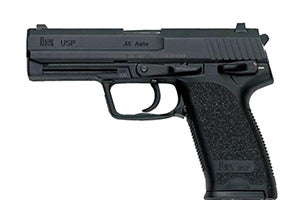
Even though these items are not real weapons, the law is designed to prevent fear, confusion, and potentially dangerous law enforcement responses.
Many people are surprised to learn that everyday items like toy guns, BB guns, or realistic replicas can lead to criminal charges if displayed in public.
Understanding what qualifies as an imitation firearm—and when display becomes illegal—is essential to avoiding legal trouble.
Your optimal prospect for a favorable outcome when charged with a weapons offense is an expert California criminal defense attorney at Esfandi Law Group.
To arrange a complimentary consultation, please call (310) 274-6529 or contact us through our provided channels.
What Is an Imitation Firearm?
An imitation firearm is any object designed to look like a real gun in a way that would cause a reasonable person to believe it is an actual firearm.
Examples include:
- Toy guns that closely resemble real firearms
- BB guns and pellet guns
- Replica firearms used for display or collection
- Airsoft guns designed to mimic real weapons
The key factor is appearance. If the object looks realistic enough to cause alarm or confusion, it may fall within the scope of the law.
What Does “Displaying” an Imitation Firearm Mean?
Under California Penal Code 12556, “displaying” an imitation firearm means intentionally placing or exposing the object in a way that is visible to others in a public setting.
The law focuses on whether a reasonable person could see the object and believe it is a real firearm—not whether you intended to threaten anyone.
Display can occur in many everyday situations, especially when the object is left in plain view or handled openly in public.
Common Forms of Display
Displaying an imitation firearm may include:
- Holding or carrying it openly in public view
- Placing it on a car seat, dashboard, or other visible area inside a vehicle
- Leaving it exposed in a backpack, waistband, or clothing
- Setting it down in a public space where others can clearly see it
- Waving, pointing, or handling it in a noticeable way
Visibility Is the Key Factor
The central issue is visibility. If the object is:
- Clearly visible to members of the public, and
- Realistic enough to be mistaken for an actual firearm
then it may qualify as unlawful display under the statute.
Even passive conduct—such as leaving an imitation firearm in plain sight—can be considered a violation if it creates the appearance of a real weapon.
Display Does Not Require Threatening Behavior
You do not need to brandish, point, or use the object aggressively to violate the law. Unlike more serious offenses, Penal Code 12556 does not require proof of intent to intimidate.
Simply exposing the object in a public place can be enough if:
- It is visible to others
- It reasonably appears to be a real firearm
Situations That May Not Qualify as Display
Not every situation counts as an unlawful display. The law may not apply when:
- The object is fully concealed and not visible
- The display occurs in a private setting, not open to the public
- A legal exemption applies, such as use in a film or theatrical production
Why This Definition Matters
Many charges arise from misunderstandings about what qualifies as “display.” People often assume that as long as they are not threatening anyone, they are not violating the law. However, the statute is based on public visibility and perception—not intent.
Because of this, even unintentional exposure to a realistic imitation firearm can lead to citations or criminal charges. Understanding how broadly “display” is interpreted is key to avoiding liability and building an effective defense.
What Is Considered a Public Place?
A public place is any area where members of the public have access or can freely move about.
Common examples include:
- Streets and sidewalks
- Parks and playgrounds
- Shopping centers and parking lots
- Public transportation or vehicles in public areas
- Schools and government buildings
Even a private vehicle can be considered a public place if it is in a public area and the object is visible.
Legal Elements Prosecutors Must Prove
To establish a violation of Penal Code 12556, the prosecution must prove:
- You displayed or exposed an imitation firearm
- The object reasonably appeared to be a real firearm
- The display occurred in a public place
If any of these elements cannot be proven, the charge may not hold.
Penalties for Displaying an Imitation Firearm
Most violations of Penal Code 12556 are treated as infractions, but repeat offenses can escalate.
| Offense Level | Classification | Penalty | Key Notes |
|---|---|---|---|
|
First Offense |
Infraction |
Fine up to $100 |
No jail time |
|
Second Offense |
Infraction |
Fine up to $300 |
Increased fine |
|
Third or Subsequent Offense |
Misdemeanor |
Up to 6 months in jail and/or $1,000 fine |
Criminal record possible |
Legal Exemptions to Penal Code 12556
California law allows certain exceptions where displaying an imitation firearm is permitted.
Common exemptions include:
- Use in film, television, or theatrical productions
- Participation in parades or organized events
- Display as part of a lawful exhibition or collection
- Hunting or lawful recreational activities
These exceptions are narrowly applied and depend on the specific circumstances.
Real-World Examples
Imitation firearm charges often arise from everyday situations.
Examples include:
- A realistic toy gun left visible on a car seat in a parking lot
- Carrying an airsoft gun openly in a public park
- Displaying a replica firearm in a way that alarms others
- Using a prop weapon outside of an authorized setting
These cases often depend on how realistic the object appears and where it was displayed.
Common Defense Strategies
Several defenses may apply depending on the facts of your case.
The Object Was Not an Imitation Firearm
If the object would not reasonably be mistaken for a real firearm, it may not meet the legal definition.
No Public Display
If the display occurred in a private setting or out of public view, the law may not apply.
Lack of Visibility
If the object was not clearly visible to the public, this may undermine the prosecution's case.
Legal Exemption Applies
If the display occurred in a permitted context, such as a film production or organized event, you may be exempt.
Unlawful Search or Detention
If law enforcement violated your constitutional rights, evidence may be suppressed and charges dismissed.
Related California Crimes
Several offenses are commonly charged alongside or instead of violations of Penal Code 12556.
Brandishing a Weapon – Penal Code 417
A PC 417 offense involves displaying a weapon in a threatening manner. If an imitation firearm is used to intimidate someone, prosecutors may file this more serious charge.
Criminal Threats – Penal Code 422
Under PC 422, making credible threats of harm while displaying an object that appears to be a firearm can lead to criminal threats charges, which carry significant penalties.
Carrying a Weapon in a Public Place – Penal Code 171b
This law prohibits bringing weapons into certain restricted areas such as government buildings and courthouses.
Weapons at an Airport – Penal Code 171.5
Carrying weapons or imitation firearms into secured airport areas can result in misdemeanor charges.
Possession of Prohibited Weapons
Other California laws prohibit possession of specific weapons such as switchblades, cane guns, or brass knuckles. These charges may arise depending on the circumstances of the case.
Why These Charges Matter
Although many imitation firearm cases begin as minor infractions, they can escalate quickly depending on the situation. If the display causes fear, panic, or confusion, more serious charges may follow.
Because these cases often hinge on perception, visibility, and context, a strong defense can challenge whether the object truly appeared to be a firearm and whether it was displayed in a public setting.
Frequently Asked Questions
Is it illegal to own an imitation firearm in California?
No. Ownership is legal. The law only restricts displaying imitation firearms in public places.
Can I be charged for carrying a toy gun?
Yes. If the toy gun appears realistic and is displayed in public, it may lead to charges under Penal Code 12556.
What if I didn't intend to scare anyone?
Intent is not required. The focus is on whether the object appeared to be a real firearm and was displayed publicly.
Can these charges be dismissed?
Yes. Charges may be dismissed if the object does not qualify, was not displayed publicly, or if a legal exemption applies.
Will I go to jail for this offense?
Most first- and second-offense infractions are fines-only. However, repeat violations can lead to misdemeanor charges and possible jail time.
Do I need a lawyer for an infraction?
While not always required, legal representation can help prevent escalation, protect your record, and identify defenses.
Take Action: Protect Yourself Early
Even minor weapons-related charges can have lasting consequences if not handled properly. Addressing the situation early can help avoid escalation and protect your record.
If you are facing allegations under California Penal Code 12556 PC, consulting with an experienced criminal defense attorney can help you understand your options and build the strongest possible defense.
Esfandi Law Group is available to assist. Please schedule your complimentary consultation by calling (310) 274-6529 or by utilizing the contact form provided here.