
What to Do If You Hit a Parked Car in California: Laws, Penalties, and Legal Requirements
What Happens If You Hit a Parked Car in California?
Hitting a parked car in California can happen in seconds, but how you respond immediately afterward can determine whether the incident remains a minor matter or becomes a criminal case.
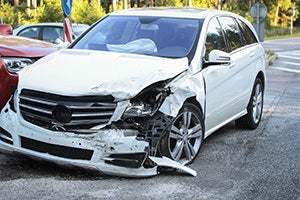
State law requires every driver involved in property damage—no matter how small—to stop, provide identifying information, and take reasonable steps to notify the vehicle's owner.
Even a minor scratch or dent triggers these legal obligations. Leaving the scene without complying can result in misdemeanor hit-and-run charges, fines, and possible jail time.
Understanding what the law requires—and acting quickly—can help you avoid serious legal and financial consequences.
If you are facing hit-and-run charges, your most viable option for achieving a favorable outcome is to seek guidance from an experienced criminal defense attorney in California at Esfandi Law Group.
To arrange a complimentary consultation, please call (310) 274-6529 or contact us through this platform.
California Law: Vehicle Code 20002 VC
California Vehicle Code 20002 governs accidents resulting in property damage only, including those in which a driver hits a parked car. The statute imposes clear, immediate duties on the driver involved, regardless of how minor the damage may appear.
Core Legal Duty to Stop and Identify
Under this law, a driver must:
- Immediately stop at the nearest safe location without obstructing traffic more than necessary
- Take reasonable steps to locate and notify the owner of the damaged property
- Provide identifying information directly to the owner if they are present
Leaving the scene without fulfilling these duties can result in criminal liability.
Written Notice Requirement
If the owner cannot be located, the driver must leave a written notice that includes:
- Name and current address
- A statement explaining the circumstances of the accident
The notice must be placed in a conspicuous location, typically on the damaged vehicle, such as under the windshield wiper.
Reporting to Law Enforcement
In addition to leaving a note, the driver must notify the appropriate law enforcement agency:
- Typically, the local police department or California Highway Patrol
- This requirement applies when the property owner cannot be contacted directly
Failure to report when required can strengthen a hit-and-run case.
What Counts as Property Damage
Vehicle Code 20002 applies to damage involving:
- Parked vehicles
- Structures such as fences, buildings, or mailboxes
- Any other personal or real property
Even minimal or cosmetic damage can trigger legal obligations under the statute.
Key Takeaway
Vehicle Code 20002 requires drivers to stop, identify themselves, and notify the property owner after any accident involving property damage. Compliance is mandatory, and failing to follow these steps can quickly escalate a minor incident into a misdemeanor hit-and-run offense.
What Information Must You Leave?
If the owner is not present, your written notice should include:
- Your full name
- Your current address
- A brief explanation of what happened
You may also need to provide:
- Driver's license information
- Vehicle registration details
- Insurance information if requested later
When Must You Report the Accident?
You may be required to report the accident depending on the level of damage.
DMV Reporting Requirement
- If property damage exceeds $1,000, you must file an SR-1 report with the California DMV within 10 days
- Failure to report can lead to license suspension
Step-by-Step: What to Do After Hitting a Parked Car
1. Stop Immediately
Do not leave the scene. Driving away can lead to criminal charges.
2. Locate the Owner
If possible, find the owner and provide your information directly.
3. Leave a Note
If the owner is unavailable, leave a clearly visible note with the required details.
4. Document the Scene
Take photos of both vehicles and any damage to protect yourself from disputes.
5. Report the Incident
Notify law enforcement or file required reports if necessary.
Penalties for Failing to Report (Hit-and-Run) – California (Vehicle Code 20002)
| Violation Type | Legal Classification | Description of Conduct | Potential Penalties | Additional Consequences |
|---|---|---|---|---|
|
Failure to Stop and Identify |
Misdemeanor |
Leaving the scene after damaging a parked car or property without providing information |
Up to 6 months in county jail, fine up to $1,000 |
Summary probation, criminal record |
|
Failure to Leave Written Notice |
Misdemeanor |
Not leaving required contact information when owner is not present |
Up to 6 months in jail, fines |
Strengthens hit-and-run case against driver |
|
Failure to Notify Law Enforcement |
Misdemeanor |
Not reporting the incident when required |
Fines, possible jail time |
Increased legal exposure |
|
Hit-and-Run with Prior Offenses |
Enhanced Misdemeanor |
Repeat violations of Vehicle Code 20002 |
Higher fines, greater likelihood of jail time |
Stricter probation conditions |
|
Civil Liability for Damages |
Civil Consequence |
Responsibility for repair costs and damages |
Out-of-pocket costs, insurance claims |
Possible lawsuit from property owner |
|
Points on Driving Record |
Administrative Penalty |
DMV records violation |
Points added to driving record |
Increased insurance premiums |
|
Insurance Consequences |
Financial Impact |
Claim filed or conviction reported |
Higher premiums or policy cancellation |
Long-term cost increases |
Key Takeaways
- Leaving the scene of a property damage accident is a misdemeanor in California
- Jail time, fines, and a criminal record are possible outcomes
- Financial consequences often extend beyond criminal penalties
- Compliance with Vehicle Code 20002 can prevent serious legal issues
Financial and Insurance Consequences
Even if you comply with the law:
- Your insurance rates may increase
- You may be responsible for repair costs
- You may need to pay a deductible
Failing to report can lead to even greater financial consequences.
Example Scenarios
Example 1: Minor Parking Lot Accident
A driver backs into a parked car, causing a small dent. They leave a note with contact information. This complies with the law.
Example 2: Leaving the Scene
A driver hits a parked car and drives away without leaving a note. This may result in misdemeanor hit-and-run charges.
Example 3: No Visible Damage
A driver believes no damage occurred and leaves. If no damage is proven, liability may be limited, but documentation is important.
What If Someone Hits Your Parked Car?
If your parked car is damaged and the driver leaves:
- File a police report
- Contact your insurance company
- Check for surveillance footage or witnesses
- Use uninsured motorist coverage if applicable
Related Crimes and Legal Issues
Incidents involving a parked car can trigger more than a simple property damage claim. Depending on how the situation is handled, drivers may face additional criminal charges, traffic violations, and civil liability.
Understanding these related legal issues is essential to evaluating overall risk and potential consequences.
Hit-and-Run (Vehicle Code § 20002)
This is the most common charge associated with striking a parked car.
- Applies when a driver leaves the scene without stopping or providing required information
- Charged as a misdemeanor even when the damage is minor
- Often supported by surveillance footage, witnesses, or vehicle damage evidence
- Felony hit and run is defined under California Vehicle Code 20001 VC.
Failure to Exchange Information
Drivers are legally required to provide identifying information after an accident.
- Failing to share name and address with the property owner can support criminal charges
- Not leaving a written note when the owner is absent is a violation of legal duties
- Incomplete or false information may increase penalties
Providing False Information to Law Enforcement
Giving incorrect or misleading information after an accident can lead to separate charges.
- Includes false names, addresses, or insurance details
- May be charged as a misdemeanor
- Can significantly damage credibility in court
Reckless Driving (Vehicle Code § 23103)
If the accident was caused by unsafe or aggressive driving, reckless driving charges may apply.
- Driving with willful disregard for safety can elevate the seriousness of the case
- May result in higher fines, points, and possible jail time
- Often considered when excessive speed or dangerous behavior is involved
Driving Without Insurance (Vehicle Code § 16020)
All drivers in California must carry valid auto insurance.
- Failure to maintain insurance can result in fines and penalties
- May lead to vehicle impoundment in some cases
- Adds financial and legal exposure beyond the accident itself
Driving Without a Valid License (Vehicle Code § 12500)
If the driver is unlicensed at the time of the incident:
- Additional misdemeanor or infraction charges may apply
- Can complicate the case and increase penalties
- May impact insurance coverage and liability
Civil Liability for Property Damage
In addition to criminal consequences, drivers may face civil claims.
- Responsible for repair costs, loss of use, and related damages
- May be sued by the vehicle owner if damages are not resolved
- Insurance companies may pursue reimbursement through subrogation
Why These Issues Matter
Related charges and legal issues can significantly increase the consequences of what might otherwise be a minor accident.
- Multiple violations can lead to higher fines and potential jail time
- Civil liability can create substantial financial obligations
- Insurance and driving record impacts may last for years
- The way the incident is handled often determines the legal outcome
Key Takeaway
Hitting a parked car can lead to a range of legal consequences beyond simple property damage. Criminal charges, traffic violations, and civil liability are all possible, especially if legal requirements are not followed.
Taking the correct steps immediately after the incident is the best way to minimize risk.
Frequently Asked Questions (FAQs)
Do I have to report a minor accident with a parked car?
Yes. Even minor damage requires you to stop and provide information.
What happens if I leave without leaving a note?
You may be charged with misdemeanor hit-and-run, which carries fines and possible jail time.
What if I can't find the owner?
You must leave a written note in a visible location with your contact information.
Do I need to call the police?
In some cases, yes. You should report the incident to local law enforcement if required.
Will my insurance go up?
Possibly. Insurance rates often increase after an accident or a hit-and-run conviction.
What if there is no damage?
If no damage occurred, you may not be liable, but documenting the situation is strongly recommended.
Key Takeaway
If you hit a parked car in California, the law requires you to stop, notify the owner, and provide your name and contact information. Failing to do so can result in hit-and-run charges, fines, and long-term consequences.
Speak with a Criminal Defense Attorney
If you are facing hit-and-run charges or have questions about your legal obligations after an accident, it is important to seek legal advice.
A criminal defense attorney can:
- Evaluate whether the evidence supports the charges
- Challenge allegations of leaving the scene
- Help reduce penalties or negotiate outcomes
- Protect your driving record and rights
Getting early legal guidance can really make a difference in your case. Esfandi Law Group is eager to support you. Feel free to schedule your free consultation today!