
Vehicle Code 23612 VC: DUI Chemical Test Refusal Enhancements
A typical drunk driving arrest, mainly governed by California Vehicle Code Section 23152 VC, is usually prosecuted as a DUI misdemeanor.
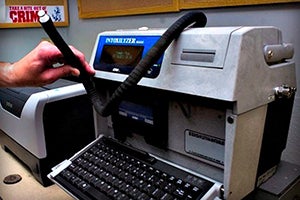
California has some of the strictest DUI laws in the country. A key element of these laws is the implied consent doctrine, which is established by California Vehicle Code 23612 VC.
Under this law, anyone operating a motor vehicle within the state is considered to have automatically consented to chemical tests for alcohol or drugs if they are lawfully arrested for a DUI.
Refusing these test results in a Refusal Enhancement, which causes immediate administrative penalties from the DMV and mandatory jail time if convicted in criminal court.
The Esfandi Law Group is available to assist you. Book your free consultation by calling (310) 274-6529 or filling out the contact form here.
What is Implied Consent Under VC 23612?
Vehicle Code 23612 VC clearly states that implied consent applies to any driver lawfully arrested for violating California's primary DUI laws, including standard DUI (VC 23152) or DUI resulting in injury (VC 23153).
Since consent is legally assumed for using California roadways, a driver cannot postpone testing, seek legal advice beforehand, or have a lawyer present during a chemical test.
Mandatory Rules for Administering Chemical Tests
When an officer orders a mandatory chemical test after arrest, certain legal rules govern the process.
-
The Right to Choose: Drivers typically can choose between a breath test and a blood test.
-
Suspected Drug Impairment: If law enforcement reasonably suspects drug intoxication, a breathalyzer alone is inadequate because it cannot identify controlled substances. In such cases, a blood test is necessary.
-
Medical Exemptions: If a driver has a medical condition that makes blood draws risky, such as hemophilia or heavy anticoagulant use, or if blood and breath tests are not available, a urine test will be used instead.
-
Incapacitated Drivers: If a driver is unconscious or deceased after an incident, law states that their implied consent remains, permitting medical personnel to draw blood under law enforcement's direction.
Roadside PAS Tests vs. Post-Arrest Chemical Tests
Motorists often confuse a roadside breathalyzer with the chemical test they must take after an arrest.
-
Preliminary Alcohol Screener (PAS) Test: This handheld breath test is conducted roadside before an arrest and helps officers establish probable cause. For standard adult drivers, taking the PAS test is entirely voluntary.
-
Post-Arrest Evidentiary Chemical Test: Once a driver is officially placed under arrest, the voluntary phase concludes. Implied consent then activates, requiring the driver to undergo an evidentiary breath or blood test at the police station, hospital, or jail.
Officer Warning Requirement: VC 23612 mandates that police officers clearly inform drivers that a roadside PAS test is voluntary and that refusing the test does not eliminate their legal duty to submit to an evidentiary chemical test after arrest.
Statutory Penalties for a Chemical Test Refusal
Refusing a post-arrest blood or breath test results in two penalties: it affects their driving privileges and also influences their criminal sentence.
1. Administrative Driver's License Consequences (DMV)
The California Department of Motor Vehicles manages license suspensions separately from the criminal court process.
A refusal automatically leads to a mandatory suspension or revocation, and no restricted license options—such as ignition interlock devices or work permits—are available.
-
First Offense: 1-year automatic license suspension.
-
Second Offense (Within 10 years): 2-year license revocation.
-
Third or Subsequent Offense (Within 10 years): 3-year license revocation.
2. Criminal Sentencing Enhancements (Court)
If the driver is ultimately convicted of the underlying DUI in criminal court, the refusal enhancement imposes mandatory, consecutive jail time in addition to the standard DUI penalties.
|
Offense Tier |
Additional Mandatory Jail Time Under VC 23612 |
| First DUI Conviction | Adds 2 continuous days in county jail |
| Second DUI Conviction (Within 10 years) | Adds 4 continuous days in county jail |
| Third DUI Conviction (Within 10 years) | Adds 10 continuous days in county jail |
Furthermore, the prosecution is legally permitted to introduce the fact that you refused the test as evidence of consciousness of guilt during a trial.
Frequently Asked Questions About VC 23612
Can I change my mind after initially refusing a DUI chemical test?
Generally, the answer is no. Under California law, once you explicitly decline the test after the officer provides the necessary admonition, a refusal is considered established. Police are not obligated to offer a second chance or wait for a delayed decision because waiting can let your body process alcohol naturally, reducing your blood alcohol level.
Can I choose which chemical test to take if I am arrested for a DUI?
Under VC 23612, you can choose between an evidentiary breath test or a blood test in typical alcohol-related DUI cases. However, if law enforcement suspects you are under the influence of DUI drugs, or both drugs and alcohol, you must take a blood test because standard breathalyzers cannot detect drugs.
What is the difference between a PAS test and a post-arrest chemical test?
The Preliminary Alcohol Screener (PAS) test is a voluntary roadside breathalyzer used by police before an arrest to help establish probable cause. Once you are formally arrested, the post-arrest chemical test (blood or breath) becomes mandatory under the implied consent law. Participating in the voluntary PAS test does not fulfill your legal requirement to complete the mandatory post-arrest test.
Will I lose my driver's license automatically if I refuse the test?
Yes. Refusing a chemical test after a lawful DUI arrest results in an automatic suspension or revocation of your driving privileges by the DMV. For a first offense, this suspension lasts for a mandatory one year, during which you cannot qualify for a restricted license, such as one with an Ignition Interlock Device.
Can I speak to a lawyer before deciding whether to take a chemical test?
No, because operating a vehicle on California roads is considered 'implied consent,' you do not have the right to consult an attorney before choosing to take a test, nor to have a lawyer present during the test. Demanding to speak with an attorney before testing will be legally seen as a refusal.
Can a refusal enhancement be dropped or dismissed?
Yes. A refusal enhancement can be challenged and removed if a defense attorney proves that the initial traffic stop or arrest lacked legal probable cause, or that law enforcement failed to properly read the mandatory refusal warnings (admonition) as required by California law.
Legal Defenses Against a Refusal Enhancement
While refusal enhancements are strict, they depend on the prosecution and law enforcement having performed their duties flawlessly.
A knowledgeable California criminal defense attorney can analyze the arrest details to challenge the enhancement through various proven legal approaches.
-
Unlawful Arrest / Lack of Probable Cause: Implied consent is only legally valid if the arrest was lawful. If the officer stopped the vehicle without reasonable suspicion or lacked probable cause for a DUI arrest, the entire investigation can be contested under the Fourth Amendment, which can nullify the refusal penalty.
-
Inadequate Admonition (Improper Refusal Warning): The law mandates that officers clearly read a specific warning informing the driver of the precise legal consequences of refusing. If the officer omits this warning, provides unclear or contradictory instructions, or misleads the driver into thinking they can consult an attorney first, the enhancement might be deemed invalid.
-
Physical or Medical Inability to Comply: If a driver is physically unable to perform a breath test because of a medical condition such as asthma or chronic obstructive pulmonary disease (COPD), or if severe trauma from an accident prevents compliance, this non-compliance should not be considered a willful refusal.
The most effective way to secure a favorable outcome is to consult an experienced criminal defense attorney at Esfandi Law Group in California. Schedule your free consultation by calling (310) 274-6529 or using the contact form here.