
Operating a Chop Shop – California Vehicle Code 10801 VC
California has strict laws targeting organized vehicle theft operations known as chop shops.
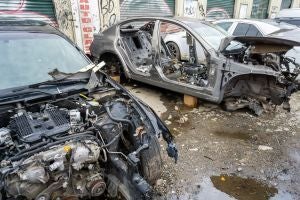
A chop shop is a location where stolen vehicles are dismantled, altered, or stripped for parts that are later sold illegally.
Under California Vehicle Code 10801 VC, it is a crime to knowingly own, operate, or participate in the operation of a chop shop.
Because these operations are commonly linked to organized auto theft rings, prosecutors often pursue aggressive criminal charges.
A conviction can result in jail or prison time, substantial fines, probation, and other serious consequences.
For the best chance at a positive outcome in a theft crime case, consider reaching out to an experienced California criminal defense attorney at Esfandi Law Group.
We're here to help—call us for a free consultation at (310) 274-6529 or contact us anytime.
What Is a Chop Shop Under California Law?
California Vehicle Code 250 defines a chop shop as any location where stolen vehicles or stolen vehicle parts are altered, dismantled, disassembled, destroyed, or stored in order to hide their identity or sell them illegally.
A chop shop operation often involves removing or altering identifying information such as the vehicle identification number (VIN). These actions are usually intended to disguise stolen vehicles so the parts can be sold on the black market.
Examples of chop shop activities may include:
-
dismantling stolen cars and selling the parts individually
-
altering VIN numbers to hide the identity of stolen vehicles
-
storing stolen vehicles while they are stripped for parts
-
selling stolen vehicle parts to repair shops or private buyers
These operations often take place in garages, warehouses, storage units, or private repair facilities.
Legal Definition of Operating a Chop Shop – VC 10801
California Vehicle Code 10801 makes it illegal to knowingly and intentionally operate or maintain a chop shop.
The law applies not only to owners of chop shop operations but also to individuals who actively participate in running the illegal operation.
To obtain a conviction, prosecutors must prove that the defendant knowingly operated or participated in a chop shop and understood that the vehicles or vehicle parts involved were stolen or obtained through fraud.
Even someone who does not own the business can still be charged if they knowingly assist in the operation.
Elements the Prosecutor Must Prove
Under California criminal jury instructions (CALCRIM 1752), prosecutors must prove several elements to convict someone of operating a chop shop:
-
the defendant knowingly and intentionally owned, operated, or participated in a chop shop operation
-
the defendant knew the vehicle or vehicle parts were obtained through theft, fraud, or conspiracy
-
the defendant knew the vehicles or parts were altered, dismantled, stored, or disguised in order to conceal their identity or sell them
Because knowledge is a key element, prosecutors often rely on circumstantial evidence such as the presence of stolen vehicles, altered VIN plates, or dismantled vehicle parts at a location.
Penalties for Operating a Chop Shop
Operating a chop shop under Vehicle Code 10801 is considered a wobbler offense in California. This means prosecutors may file the charge as either a misdemeanor or a felony, depending on the facts of the case.
Factors that influence charging decisions include:
-
the number of stolen vehicles involved
-
the value of stolen property
-
the size of the operation
-
the defendant's criminal history
Misdemeanor penalties
If charged as a misdemeanor, penalties may include:
-
up to one year in county jail
-
fines up to $1,000
-
summary probation
Felony penalties
If charged as a felony, penalties may include:
-
two, three, or four years in county jail under California's realignment laws
-
fines up to $50,000
-
formal probation in some cases
Additional penalties may include restitution to victims and seizure of property used in the chop shop operation.
Related California Crimes
Chop shop cases are rarely charged in isolation. Prosecutors often file multiple charges based on the same conduct, especially when stolen vehicles, altered parts, or fraudulent documents are involved.
Grand Theft Auto – Penal Code 487(d)(1)
Grand theft auto involves unlawfully taking a vehicle with the intent to permanently deprive the owner of possession.
This charge is commonly linked to chop shop operations when vehicles are stolen specifically to be dismantled for parts.
Unlawful Taking or Driving a Vehicle – Vehicle Code 10851
Vehicle Code 10851 makes it illegal to take or drive a vehicle without the owner's consent.
This offense may apply even if there was no intent to permanently steal the vehicle and is frequently charged alongside chop shop cases.
Receiving Stolen Property – Penal Code 496
Receiving stolen property occurs when someone knowingly buys, receives, or possesses stolen items.
In chop shop cases, this often includes:
-
stolen engines
-
vehicle parts
-
dismantled components
VIN Tampering – Vehicle Code 10802
Vehicle Code 10802 prohibits altering, removing, or falsifying a vehicle identification number.
This offense is central to many chop shop operations, in which VIN numbers are altered to disguise stolen vehicles.
Possession of a Vehicle with Altered VIN – Vehicle Code 10803
This law makes it illegal to knowingly possess a vehicle or component with a tampered VIN.
Prosecutors often use this charge to establish knowledge and intent in chop shop cases.
Auto Burglary – Penal Code 459
Auto burglary involves entering a locked vehicle with the intent to commit theft or another felony.
This charge may apply when individuals break into vehicles to steal parts later used in a chop shop.
Fraudulent Vehicle Registration – Vehicle Code 4463
Vehicle Code 4463 makes it a crime to forge or falsify vehicle registration or ownership documents.
This offense is often used to:
-
disguise stolen vehicles
-
create false ownership records
-
facilitate illegal resale
Possession of Burglary Tools – Penal Code 466
Possessing tools commonly used for theft, such as lock-picking devices or VIN-altering equipment, may result in additional charges.
Conspiracy – Penal Code 182
Chop shop operations often involve multiple individuals working together.
Conspiracy charges may be filed when:
-
two or more people agree to commit a crime
-
at least one step is taken to carry it out
Why These Related Charges Matter
Prosecutors frequently combine multiple charges to increase potential penalties and leverage plea negotiations.
A single investigation may result in:
-
chop shop charges under Vehicle Code 10801
-
theft-related offenses
-
fraud or document-related charges
-
conspiracy allegations
Each charge has different elements and defenses, making a comprehensive legal strategy essential.
Legal Defenses to Chop Shop Charges
Several legal defenses may apply depending on the circumstances of the case.
Lack of Knowledge
The prosecution must prove the defendant knew that the vehicles or parts were stolen. If a person was unaware of the illegal activity, they cannot be convicted under this statute.
Lack of Intent
Even if stolen vehicle parts are discovered at a location, prosecutors must show the defendant intended to participate in the illegal chop shop operation.
No Ownership or Control of the Operation
A defendant may argue they did not own or control the premises and were not responsible for any illegal activity occurring there.
False Accusations or Mistaken Identity
Some individuals are wrongfully accused because they worked at a location where illegal activity occurred without their knowledge.
Frequently Asked Questions
What is considered a chop shop under California law?
A chop shop is any location where stolen vehicles or vehicle parts are dismantled, altered, stored, or sold to conceal their identity or prevent them from being traced to the rightful owner. Under California Vehicle Code 10801, it is illegal to knowingly own, operate, or participate in a business that handles stolen vehicles or parts in this way.
Is operating a chop shop a felony in California?
Operating a chop shop is classified as a wobbler offense in California. This means prosecutors can charge the crime as either a misdemeanor or a felony, depending on the circumstances. The decision often depends on factors such as the number of stolen vehicles involved, the value of the property, and the defendant's criminal history.
What is the maximum sentence for operating a chop shop?
If the offense is charged as a felony, the maximum penalty for operating a chop shop under Vehicle Code 10801 can include:
-
two, three, or four years in county jail
-
fines of up to $50,000
-
formal probation
-
restitution to victims
If charged as a misdemeanor, the penalty can include up to one year in county jail and a fine of up to $1,000.
Do prosecutors have to prove that you knew the vehicles were stolen?
Yes. Knowledge is one of the most important elements of the crime. Prosecutors must prove that the defendant knew the vehicles or vehicle parts were stolen or obtained through fraud. If prosecutors cannot prove knowledge beyond a reasonable doubt, they may not secure a conviction.
Can someone be charged with operating a chop shop if they are only an employee?
Yes. Ownership of the business is not required for criminal liability. Anyone who knowingly participates in the operation of a chop shop can face charges under Vehicle Code 10801, including mechanics, employees, or individuals helping dismantle stolen vehicles.
What is the difference between a chop shop and grand theft auto?
Grand theft auto involves stealing a vehicle with the intent to permanently deprive the owner of it. A chop shop operation usually occurs after the vehicle is stolen. The stolen car is brought to a location where it is dismantled or altered so the parts can be sold separately.
Because of this connection, prosecutors often file both charges in the same criminal case.
How do police investigate chop shop operations?
Chop shop investigations often involve specialized auto theft task forces. Law enforcement agencies may use investigative techniques such as:
-
surveillance of suspected garages or warehouses
-
undercover officers posing as buyers of stolen parts
-
VIN inspections to identify altered vehicle identification numbers
-
search warrants executed at suspected chop shop locations
Investigations may involve cooperation between local police, state agencies, and federal authorities.
Can operating a chop shop charges be reduced or dismissed?
Yes. Depending on the circumstances, charges may be reduced or dismissed if:
-
prosecutors cannot prove the defendant knew the vehicles were stolen
-
the defendant had no role in the illegal operation
-
the evidence was obtained through an unlawful search
-
the prosecution cannot prove every element of the crime beyond a reasonable doubt
An experienced criminal defense attorney may also negotiate reduced charges or alternative sentencing options.
Will a chop shop conviction affect employment?
Yes. A conviction for operating a chop shop can create serious long-term consequences. Theft-related crimes often appear on background checks and may affect employment opportunities, professional licensing, and immigration status.
Should I speak to the police if I am being investigated for a chop shop case?
If you are under investigation, it is generally advisable to speak with a criminal defense attorney before answering questions from law enforcement. Anything you say may be used as evidence in a criminal case. A lawyer can help protect your rights and guide you through the investigation process.
Criminal Defense for Vehicle Code 10801 Charges
Operating a chop shop is considered a serious criminal offense in California and often involves complex investigations by law enforcement agencies.
However, prosecutors must prove every element of the crime beyond a reasonable doubt, including knowledge and intent.
An experienced criminal defense attorney can examine the evidence, challenge the prosecution's case, and pursue strategies to reduce or dismiss the charges.
If you are under investigation or have been charged with operating a chop shop under Vehicle Code 10801 VC, seeking legal representation as soon as possible can significantly affect the outcome of your case.
Esfandi Law Group is ready to assist you. Book your free consultation by calling (310) 274-6529 or through the contact form available here.