
California Health and Safety Code 11358 – Marijuana Cultivation
California Health and Safety Code 11358 makes it illegal to cultivate marijuana in violation of state law.
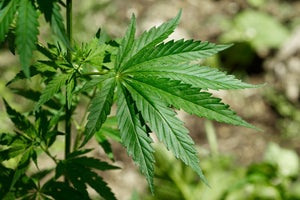
Although Proposition 64 legalized limited recreational cannabis cultivation for adults, there are strict rules governing how much marijuana can be grown, where it can be grown, and who may grow it.
Violating these rules can lead to misdemeanor or felony charges.
If you are accused of illegally growing marijuana, you could face jail time, fines, and a permanent criminal record.
Your best hope for a favorable outcome is with an experienced California criminal defense attorney at Esfandi Law Group.
To schedule a free consultation, call (310) 274-6529 or contact us here.
What Is Marijuana Cultivation Under HS 11358?
Health and Safety Code 11358 prohibits planting, cultivating, harvesting, drying, or processing marijuana plants when done outside California's legal limits.
Under current California law:
-
Adults 21 or older may grow up to six marijuana plants per residence for personal use.
-
Cultivation must occur inside a private residence or in a locked, secure space.
-
Local city or county regulations may further restrict cultivation.
Any cultivation outside these limits may result in criminal charges.
When Is Marijuana Cultivation Legal in California?
Cultivation is legal if:
-
The person is at least 21 years old.
-
No more than six plants are grown per residence.
-
The plants are grown indoors or in a locked, enclosed area.
-
The cultivation complies with local ordinances.
-
Marijuana is for personal use, not for sale.
Licensed commercial growers must comply with state licensing requirements and cannabis regulations.
When Does Cultivation Become Illegal?
A person may violate HS 11358 if they:
-
Grow more than six plants per residence.
-
Grow marijuana for commercial sale without a license.
-
Cultivate marijuana on public land.
-
Grow marijuana in a manner that violates local zoning laws.
-
Allow minors access to the cultivation area.
The intent to sell can significantly increase criminal exposure.
What Must the Prosecutor Prove?
To convict someone under HS 11358, prosecutors must prove beyond a reasonable doubt that:
-
The defendant planted, cultivated, harvested, dried, or processed marijuana.
-
The defendant knew the substance was marijuana.
-
The cultivation violated California law.
Knowledge and intent are key elements in most cultivation cases.
Penalties for HS 11358 Marijuana Cultivation
Most illegal cultivation cases are charged as misdemeanors. However, certain aggravating factors can elevate the charge to a felony.
Misdemeanor Penalties
A misdemeanor conviction may result in:
-
Up to 6 months in county jail
-
A fine of up to $500
-
Summary probation
Felony Penalties
HS 11358 may be charged as a felony if:
-
The defendant has prior serious or violent felony convictions.
-
The defendant is required to register as a sex offender.
-
The cultivation involves environmental damage or protected lands.
-
The cultivation is linked to illegal commercial activity.
Felony penalties can include:
-
16 months, 2 years, or 3 years in county jail
-
Fines up to $10,000
-
Formal probation
In California, the most commonly used drug diversion programs are Penal Code 1000 (PC 1000) and Proposition 36 (Prop 36).
Illegal Cultivation on Public Land
Growing marijuana on public lands, including national forests or parks, can result in enhanced penalties.
Federal charges may also apply if cultivation occurs on federal property.
Environmental damage, water diversion, or hazardous chemical use may increase sentencing exposure.
Health and Safety Code Section 11363 makes it illegal to cultivate peyote or other mescaline-containing cacti in California.
Common Defenses to HS 11358 Charges
An experienced criminal defense attorney may raise several defenses.
Legal Personal Cultivation
If the defendant grew six or fewer plants in compliance with state law, charges should not apply.
Lack of Knowledge
The prosecution must prove the defendant knew the plants were marijuana.
If someone else controlled the property or cultivation area, knowledge may be disputed.
Illegal Search and Seizure
Marijuana cultivation cases often arise from:
-
Search warrants
-
Anonymous tips
-
Aerial surveillance
-
Utility usage investigations
If law enforcement conducted an unlawful search, a motion to suppress evidence may result in the evidence being dismissed.
No Intent to Sell
If prosecutors allege commercial activity, the defense may argue that the marijuana was solely for personal use.
Indicators such as packaging materials, scales, or large amounts of cash may be challenged.
Related California Marijuana Offenses
Marijuana cultivation charges under Health and Safety Code 11358 are often filed alongside related drug offenses, depending on the facts of the case.
Health and Safety Code 11357 – Marijuana Possession
HS 11357 addresses unlawful possession of marijuana. While adults 21 and older may legally possess up to 28.5 grams of cannabis (or 8 grams of concentrate), possession beyond legal limits or by individuals under 21 can still result in misdemeanor charges.
California Vehicle Code 23222(b) makes it unlawful for a driver to operate a motor vehicle while possessing an open container of cannabis or loose marijuana that is accessible within the vehicle.
Health and Safety Code 11359 – Possession of Marijuana for Sale
HS 11359 makes it illegal to possess marijuana with the intent to sell it without a proper licensing. Prosecutors often rely on circumstantial evidence such as packaging materials, scales, large quantities, or large amounts of cash to prove intent to sell.
Health and Safety Code 11360 – Unlawful Marijuana Sales
HS 11360 prohibits selling, furnishing, transporting for sale, or giving away marijuana without authorization. Even giving cannabis away for free may qualify as unlawful distribution. Penalties increase if sales involve minors or large quantities.
Health and Safety Code 11361 – Selling Marijuana to a Minor
Under California Health and Safety Code 11361 HS, selling or giving marijuana to a minor is a strictly prosecuted offense that carries mandatory state prison sentences.
Health and Safety Code 11366 – Operating a Drug House
HS 11366 criminalizes maintaining a location for the purpose of unlawfully selling, giving away, or using controlled substances. This charge may apply if a residence or property is allegedly used to facilitate marijuana distribution.
Health and Safety Code 11370 – Possession of Drug Proceeds
HS 11370 makes it illegal to possess money or property obtained from illegal drug sales. In cultivation or distribution cases, law enforcement often seizes cash suspected to be linked to narcotics activity.
Health and Safety Code 11351 – Possession for Sale of a Controlled Substance
HS 11351 applies to possession of other controlled substances, such as cocaine or heroin, with the intent to sell. While separate from marijuana offenses, it may be charged if multiple drugs are discovered during a cultivation investigation.
Health and Safety Code 11352 – Sale or Transportation of a Controlled Substance
HS 11352 prohibits selling, transporting, importing, or furnishing controlled substances other than marijuana. If a cultivation investigation uncovers additional narcotics activity, prosecutors may file this more serious felony charge.
Frequently Asked Questions About HS 11358
How many marijuana plants can I legally grow in California?
Adults 21 and older may grow up to six plants per residence for personal use.
Is growing more than six plants automatically a felony?
Not necessarily. Many cases are charged as misdemeanors, but aggravating factors can elevate the charge.
Can I grow marijuana outdoors?
It depends on local ordinances. Many cities require cultivation to occur indoors or in a secured enclosure.
What happens if marijuana is grown on public land?
Penalties can increase, and federal charges may apply.
Can cultivation charges be dismissed?
Yes. If the cultivation was legal, the search was unlawful, or intent cannot be proven, charges may be reduced or dismissed.
What To Do If You Are Charged With Marijuana Cultivation
If you are under investigation or arrested for marijuana cultivation, do not speak to law enforcement without legal representation.
Early intervention may allow:
-
Pre-filing negotiation
-
Charge reduction
-
Suppression of illegally obtained evidence
An experienced criminal defense attorney can evaluate your case and build a strategy tailored to the specific facts.
Speak With a California Criminal Defense Attorney
While marijuana laws have changed, illegal cultivation remains a prosecutable offense under Health and Safety Code 11358.
A conviction can result in jail time, fines, probation, and long-term consequences affecting employment and professional licensing.
If you are facing marijuana cultivation charges, contact a knowledgeable California criminal defense lawyer immediately to protect your rights and pursue the best possible outcome.
Esfandi Law Group is here to help. Schedule your free consultation today.