
Battery on a Peace Officer in California – Penal Code 243(b) and 243(c)
Battery on a peace officer is a serious criminal charge in California that carries enhanced penalties compared to simple battery.
When the alleged victim is a law enforcement officer or other protected official performing their duties, prosecutors typically file charges under California Penal Code 243(b) or 243(c).
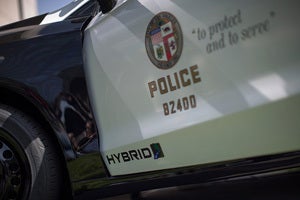
These cases are aggressively prosecuted because they involve conduct directed at public safety personnel.
However, the prosecution must still prove every element of the case beyond a reasonable doubt. Many cases can be reduced or dismissed with the right defense strategy.
If you are facing allegations involving a police officer or other protected official, understanding how the law works is critical to protecting your rights and your future.
For the best possible outcome, consider reaching out to an experienced California criminal defense attorney at Eisner Gorin LLP. We'd be happy to discuss your situation—call us at (818) 781-1570 or contact us here to set up a consultation.
What Is Battery on a Peace Officer?
Battery on a peace officer occurs when a person willfully uses force or violence against a protected official who is engaged in the lawful performance of their duties.
Under California law:
- Penal Code 243(b) applies when no injury occurs and is typically charged as a misdemeanor
- Penal Code 243(c) applies when the officer suffers an injury requiring medical treatment and may be charged as a misdemeanor or felony
The underlying definition of battery comes from Penal Code 242, which defines battery as any willful and unlawful use of force or violence upon another person.
In cases involving officers, the law adds two key requirements: the victim must be a protected official, and they must be performing lawful duties at the time of the incident.
Legal Definition of Battery
Battery itself is defined under California Penal Code 242 as:
Any willful and unlawful use of force or violence upon the person of another.
This definition applies to cases involving peace officers, with the added requirement that the alleged victim must be performing official duties at the time of the incident.
Key Elements of Battery on a Peace Officer
To convict someone of battery on a peace officer, the prosecution must prove all of the following:
- The defendant willfully touched the officer
- The touching was harmful or offensive in nature
- The officer was a peace officer or protected official
- The officer was engaged in the lawful performance of their duties
- The defendant knew or reasonably should have known the victim was a peace officer
Even minimal contact may satisfy this definition if done in a rude, angry, or offensive manner.
What Counts as “Force or Violence”?
California courts interpret “force or violence” broadly. It does not require significant injury or aggressive force.
Examples include:
- Pushing or shoving an officer
- Slapping or striking
- Throwing an object that makes contact
- Spitting on an officer
- Causing indirect contact through another object
The law focuses on whether the contact was intentional and offensive—not whether it caused harm.
Lawful Performance Requirement
A critical element of Penal Code 243(b) and 243(c) is that the officer must have been acting within the scope of their official duties.
This means:
- The officer must be performing a lawful action (such as a valid detention or arrest)
- If the officer uses excessive force or acts unlawfully, this element may not be satisfied
If the prosecution cannot prove lawful performance, the charge may be reduced or dismissed.
Why This Legal Definition Matters
Understanding the statutory definition is critical because many cases hinge on:
- Whether the contact was intentional
- Whether it was truly offensive
- Whether the officer acted lawfully
An experienced California criminal defense attorney will closely examine each of these elements to challenge the prosecution's case and pursue dismissal or reduction of charges.
Common Examples of Battery on a Peace Officer
The law is broader than many people realize. Battery does not require injury or significant force. The following are common real-world scenarios that can lead to charges:
Minor or Non-Injury Contact
- Shoving an officer during an arrest
- Pulling away and making physical contact while being detained
- Slapping an officer's hand away
- Throwing a drink or liquid at an officer
- Spitting on an officer
Indirect Contact
- Throwing an object that hits an officer (phone, bottle, keys)
- Knocking something into an officer during a struggle
- Swinging an item that makes contact
Chaotic or Crowd Situations
- Bumping into an officer during a protest or large gathering
- Flailing arms while being restrained and striking an officer
- Accidentally making contact during a physical altercation involving multiple people
Injury-Based Cases (Penal Code 243(c))
- Punching an officer causing visible injury
- Kicking an officer resulting in bruising or medical treatment
- Using an object that causes a cut or other injury
What Counts as “Force or Violence”?
California courts interpret “force or violence” very broadly. It includes:
- Any intentional physical contact
- Even slight touching if done offensively
- Indirect contact through objects
The focus is not on how hard the contact was—but whether it was intentional and offensive.
Lawful Performance Requirement
A critical requirement under California Penal Code 243(b) is that the officer must have been acting within the scope of their lawful duties.
This means:
- A lawful arrest, detention, or investigation
- Proper exercise of police authority
If the officer acted unlawfully or used excessive force, this element may not be met, and the charge can be challenged.
Why These Examples Matter
Many battery on a peace officers arise from fast-moving, stressful situations where:
- Contact may be accidental
- The defendant may not realize the person is an officer
- The officer's conduct may be legally questionable
These facts often create strong opportunities to defend, reduce, or dismiss charges.
Does the Officer Have to Be On Duty?
Not necessarily. The law applies whether the officer is on or off duty—but only if they are actively performing official duties.
Examples:
- An off-duty officer making an arrest → law applies
- An off-duty officer involved in a personal dispute → law may not apply
If the officer was not acting lawfully or within their duties, the case may be reduced or dismissed.
Penalties for Battery on a Peace Officer in California
Below is a chart explaining how penalties apply under California Penal Code 243(b) and 243(c).
Penalty Chart
| Charge Type | Statute | Injury Required | Classification | Jail / Prison Exposure | Maximum Fine | Key Notes |
|---|---|---|---|---|---|---|
|
Battery on Peace Officer (No Injury) |
Penal Code 243(b) |
No |
Misdemeanor |
Up to 1 year in county jail |
Up to $2,000 |
Most common charge; no injury required |
|
Battery on Peace Officer (With Injury) – Misdemeanor |
Penal Code 243(c)(1) |
Yes |
Misdemeanor |
Up to 1 year in county jail |
Up to $2,000 |
Injury must require professional medical treatment |
|
Battery on Peace Officer (With Injury) – Felony |
Penal Code 243(c)(1) |
Yes |
Felony (Wobbler) |
16 months, 2 years, or 3 years in state prison |
Up to $10,000 |
Prosecutor decides misdemeanor vs felony filing |
|
Battery Causing Serious Bodily Injury to Officer |
Penal Code 243(d) |
Serious injury |
Wobbler |
Up to 4 years in state prison |
Up to $10,000 |
May trigger strike consequences depending on facts |
Key Takeaways About Penalties
- No injury is required for a criminal charge under Penal Code 243(b)
- Any injury that requires medical attention can elevate the case under Penal Code 243(c)
- Prosecutors have discretion to file injury cases as either misdemeanors or felonies
- Penalties increase significantly if injuries are serious
Additional Consequences
Beyond jail or prison time, a conviction can result in:
- Probation (formal or informal)
- Protective orders
- Immigration consequences for non-citizens
- Difficulty passing background checks
- Potential strike implications in serious cases
Example Scenarios
- No injury: Pushing an officer during an arrest → misdemeanor under PC 243(b)
- Minor injury: Officer sustains bruising requiring treatment → wobbler under PC 243(c)
- Serious injury: Officer suffers a broken bone → felony exposure and possible strike
Common Legal Defenses to Battery on a Peace Officer in California
Battery on a peace officer charges often arise from fast-moving, high-stress encounters where facts are disputed and details matter. A strong defense focuses on breaking down the prosecution's case element by element—particularly intent, lawful conduct by the officer, and the nature of the contact.
Below are the most effective and commonly used defense strategies in California.
Lack of Willful Intent
Battery requires a deliberate and intentional act. If the contact was accidental, reflexive, or the result of confusion, it does not meet the legal definition of battery.
This defense is especially effective in chaotic situations where:
- You were reacting instinctively during a stressful encounter
- Physical contact occurred while losing balance or being pushed
- Movements were involuntary during restraint
Example: You stumble while being detained and unintentionally make contact with the officer.
Self-Defense or Defense Against Excessive Force
You have the legal right to defend yourself if a peace officer uses unreasonable or excessive force. While you cannot resist a lawful arrest, you are not required to submit to unlawful violence.
This defense applies when:
- The officer used force beyond what was reasonably necessary
- The level of force was disproportionate to the situation
- You acted to protect yourself from harm
Example: An officer uses unnecessary physical force during a minor detention, and you react to protect yourself.
Officer Not Performing Lawful Duties
A critical element of Penal Code 243(b) and 243(c) is that the officer must be acting within the scope of lawful duties.
If the officer was acting unlawfully, the charge may fail.
This may include:
- An unlawful detention or arrest
- Lack of reasonable suspicion or probable cause
- Violations of constitutional rights
Example: You are detained without legal justification, and any resulting contact occurs during that unlawful detention.
Lack of Knowledge the Victim Was an Officer
The prosecution must prove that you knew or reasonably should have known the person was a peace officer.
This defense is particularly relevant when:
- The officer was in plain clothes
- There was no clear identification
- The situation was confusing or chaotic
Example: An undercover officer does not identify themselves, and you reasonably believe they are a civilian.
Contact Was Not Harmful or Offensive
Not all physical contact qualifies as battery. The prosecution must show the contact was harmful or offensive.
This defense may apply when:
- The contact was minimal and incidental
- There was no aggressive or offensive intent
- The interaction was misinterpreted
Example: Brief, non-aggressive contact during a crowded situation is mischaracterized as intentional battery.
False Accusations or Exaggerated Claims
In some cases, allegations are overstated or inaccurate. Police reports may not fully reflect what actually happened.
A defense attorney may challenge:
- Inconsistencies in officer statements
- Conflicting witness testimony
- Bodycam, surveillance, or cellphone video evidence
Example: Video footage contradicts the officer's claim of intentional contact.
Insufficient Evidence
The prosecution must prove every element beyond a reasonable doubt. If there are gaps in the evidence, the case may not hold.
This defense focuses on:
- Lack of credible witnesses
- Missing or unclear video evidence
- Contradictory accounts of the incident
If reasonable doubt exists, the charges cannot be sustained.
Strategic Defense Insight
Many battery cases involving a peace officer involve overlapping issues such as intent, lawful conduct, and perception. A strong defense often combines multiple strategies to challenge the prosecution's narrative from different angles.
Early investigation is critical. Reviewing bodycam footage, interviewing witnesses, and analyzing police conduct can uncover weaknesses that lead to reduced charges or dismissal.
Understanding these defenses—and applying them effectively—can significantly improve the outcome of your case.
Related California Crimes to Battery on a Peace Officer
Battery charges against a peace officer are rarely filed in isolation. In many cases, prosecutors add multiple charges stemming from the same incident to increase potential penalties and gain leverage in negotiations. Understanding how these related offenses work—and how they overlap—is essential to building an effective defense.
Resisting, Delaying, or Obstructing an Officer – Penal Code 148
California Penal Code 148 makes it a crime to willfully resist, delay, or obstruct a peace officer in the performance of their duties. Unlike a battery, this offense does not require physical contact.
It is frequently charged when a person pulls away, refuses commands, or interferes with an officer during an investigation or arrest. In many cases, it is filed alongside battery allegations, especially when prosecutors claim both resistance and physical contact occurred during the same encounter.
Resisting an Executive Officer by Force or Violence – Penal Code 69
Penal Code 69 is a more serious offense that involves using force, violence, or threats against an officer performing official duties. This charge can be filed as a felony and often overlaps with battery on a peace officer when prosecutors believe the conduct went beyond minimal contact.
The distinction usually centers on the level of force used and whether threats were involved. Because of its severity, this charge significantly increases potential prison exposure.
Assault on a Peace Officer – Penal Code 241(c)
Assault on a peace officer differs from battery in that it does not require actual physical contact. Instead, it involves an attempt or present ability to use force against an officer.
This charge is commonly filed when a person swings at an officer but does not make contact. Prosecutors may file both assault and battery charges together when they believe multiple acts occurred during the incident.
Assault with a Deadly Weapon on a Peace Officer – Penal Code 245(c)
Penal Code 245(c) addresses situations where a weapon is used against a peace officer. This is a serious felony offense with significant prison consequences.
The definition of a “deadly weapon” is broad and can include objects not traditionally considered weapons if used in a dangerous manner. For example, using a vehicle, bottle, or other object in a way that could cause harm may trigger this charge.
Simple Battery – Penal Code 242
Simple battery under Penal Code 242 is the baseline offense for unlawful physical contact. It applies when the alleged victim is not a protected officer or when the prosecution cannot prove the additional elements required for a peace officer enhancement.
In many cases, battery charges against a peace officer are negotiated down to simple battery as part of a plea agreement, particularly when the evidence is weak or the officer's conduct is questionable.
Battery Causing Serious Bodily Injury – Penal Code 243(d)
Penal Code 243(d) applies when a battery results in serious bodily injury, regardless of whether the victim is a peace officer. This offense is considered a “wobbler,” meaning it can be charged as either a misdemeanor or a felony.
When serious injuries are involved, prosecutors may pursue this charge in addition to or instead of battery on a peace officer, depending on how the facts align with the statutory elements.
Why These Charges Are Often Filed Together
Prosecutors frequently stack charges arising from the same incident to strengthen their case. For example, a single encounter may lead to allegations under Penal Code 243(b), 148, and 69.
This approach increases the potential penalties and creates additional pressure during plea negotiations.
Many of these charges rely on similar legal elements, including whether force was used, whether the officer was acting lawfully, and whether the defendant acted intentionally. Because of this overlap, challenging one element—such as unlawful police conduct or lack of intent—can weaken multiple charges at once.
A strategic defense focuses on identifying inconsistencies, challenging the legality of the officer's actions, and exposing weaknesses in the prosecution's narrative. When done effectively, this can lead to reduced charges, dismissal, or a significantly more favorable outcome.
Frequently Asked Questions About Battery on a Peace Officer in California
Is any physical contact with a police officer considered a crime?
No. The law requires that the contact be willful and either harmful or offensive. Accidental or incidental contact—especially in chaotic or crowded situations—does not meet the legal definition of battery. The context, intent, and nature of the contact are all critical factors.
Can I be charged even if the officer was not injured?
Yes. Under California Penal Code 243(b), no injury is required. Even minimal contact can lead to a misdemeanor charge if it is considered offensive. However, if an injury occurs that requires medical treatment, the charge may be elevated under Penal Code 243(c).
What if I did not know the person was a police officer?
Knowledge is a required element of the offense. If you did not know—and could not reasonably have known—that the person was a peace officer, this can be a strong defense. This issue often arises in situations involving plainclothes or undercover officers.
Can I defend myself if an officer uses excessive force?
Yes. While you are generally required to comply with lawful police actions, you have the right to defend yourself against excessive or unreasonable force. If an officer's conduct was unlawful, it can undermine the prosecution's case and may lead to reduced or dismissed charges.
How serious are these charges?
Battery on a peace officer is treated more seriously than simple battery. Even as a misdemeanor, it can carry jail time, fines, and long-term consequences. If injuries are involved, the charge can become a felony with potential prison exposure.
Can these charges be reduced or dismissed?
Yes. Many cases are resolved through charge reductions, such as to simple battery, or dismissed entirely if the evidence is weak. Defenses often focus on lack of intent, unlawful police conduct, or insufficient proof of the required elements.
What is the difference between assault and battery on a peace officer?
Battery involves actual physical contact, while assault involves an attempt or ability to use force without necessarily making contact. Both can be charged in the same case depending on the circumstances.
Will this affect my criminal record or employment?
Yes. A conviction can appear on background checks and may impact employment, professional licensing, and housing opportunities. This is why early legal intervention is important to protect your record.
Can video evidence help my case?
Absolutely. Bodycam footage, surveillance video, and cellphone recordings often play a critical role in these cases. Video evidence can confirm or contradict police reports and is frequently used to challenge the prosecution's version of events.
What should I do if I am accused of battery on a peace officer?
You should avoid discussing the incident with anyone other than your attorney and seek legal representation as soon as possible. Early action allows your defense team to preserve evidence, review police conduct, and build a strategy before the case progresses.
Do I need a lawyer for this type of charge?
While you are not required to have a lawyer, it is strongly recommended. These cases involve complex legal elements and are often aggressively prosecuted. An experienced defense attorney can evaluate the evidence, challenge weaknesses in the case, and work toward the best possible outcome.
Speak With a California Criminal Defense Lawyer
If you are facing charges for battery on a peace officer, early legal intervention can significantly impact the outcome of your case. A strong defense may lead to reduced charges, case dismissal, or alternative resolutions that avoid jail time.
Legal strategy, evidence review, and understanding police conduct are critical in these cases. A knowledgeable defense attorney can evaluate your case and build the most effective path forward.
Esfandi Law Group is happily here to assist you! Feel free to schedule your free consultation by calling us at (310) 274-6529 or simply use the contact form here. We're looking forward to helping you!