
Gross Vehicular Manslaughter While Intoxicated – California Penal Code 191.5(a)
Gross vehicular manslaughter while intoxicated is one of the most serious DUI-related homicide offenses in California.
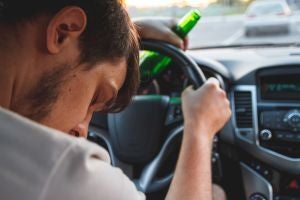
The crime is defined under California Penal Code 191.5(a) and applies when a person drives under the influence of alcohol or drugs and causes the death of another person through grossly negligent conduct.
Unlike murder, this offense does not require intent to kill. Instead, prosecutors must prove that the driver was intoxicated and acted with gross negligence in a manner that created a high risk of death or serious bodily injury.
Because this charge involves a fatality combined with reckless DUI behavior, it carries severe penalties, including lengthy prison sentences and potential strike consequences under California's Three Strikes Law.
Your best hope for a positive outcome is with an experienced California criminal defense attorney at Esfandi Law Group. To schedule a free consultation, call (310) 274-6529 or contact us here.
What Is Gross Vehicular Manslaughter While Intoxicated?
Under California Penal Code 191.5(a), gross vehicular manslaughter while intoxicated occurs when a driver:
-
Operates a vehicle while under the influence of alcohol or drugs
-
Commits an unlawful act or a lawful act in a dangerous manner
-
Acts with gross negligence
-
Causes the death of another person
The law focuses on conduct that goes far beyond ordinary carelessness. Gross negligence means the driver acted in a manner that any reasonable person would recognize as highly dangerous.
This offense is commonly referred to in California courts as gross DUI manslaughter.
Under California Vehicle Code Section 23104, operating a vehicle with reckless or malicious disregard for safety that causes physical injury to another person is illegal, called "reckless driving causing injury."
Under California Vehicle Code Section 22348(b) VC, driving over 100 miles per hour on a highway is a serious traffic violation.
Difference Between Penal Code 191.5(a) and 191.5(b)
California law recognizes two types of vehicular manslaughter while intoxicated.
Penal Code 191.5(a)
This section applies when the driver acted with gross negligence. Gross negligence involves extremely dangerous behavior that demonstrates a reckless disregard for human life.
Penal Code 191.5(b)
This section applies when the driver acted with ordinary negligence rather than gross negligence. It generally involves careless conduct or a lapse in judgment rather than extreme recklessness.
Because gross negligence represents a higher level of culpability, Penal Code 191.5(a) carries significantly harsher penalties.
Example of Gross Negligence
A common example of gross negligence might involve a driver who leaves a party after consuming large amounts of alcohol and drugs.
The driver travels at extremely high speeds while heavily intoxicated and unable to focus clearly on the road. The driver then crashes into a stopped vehicle at a red light at 80 miles per hour, causing the vehicle to flip and burst into flames, killing the driver.
In this situation, prosecutors may argue that the driver's conduct was grossly negligent because:
-
The driver was severely intoxicated
-
The driver was speeding excessively
-
The driver knowingly engaged in extremely dangerous behavior
These circumstances could support charges under Penal Code 191.5(a).
Legal Definition of Gross Vehicular Manslaughter While Intoxicated
California Penal Code 191.5(a) defines the offense as the unlawful killing of a human being while driving a vehicle under the influence of alcohol or drugs when the killing occurs as a result of:
-
Committing an unlawful act that is not a felony with gross negligence, or
-
Committing a lawful act that might produce death in an unlawful manner with gross negligence
The statute specifically states that the killing occurs without malice aforethought, which means the driver did not intend to kill another person.
What Is Gross Negligence?
Gross negligence is a much more serious form of negligence than ordinary carelessness.
In California law, gross negligence means:
-
Acting in a reckless manner that creates a high risk of death or great bodily injury
-
Acting far differently than a reasonably careful person would in the same situation
-
Demonstrating a disregard for human life and safety
For example, driving under the influence alone may not necessarily prove gross negligence.
However, combining DUI with additional dangerous conduct—such as excessive speeding or aggressive driving—can support a gross negligence finding.
Jurors are often instructed to evaluate factors such as:
-
The defendant's level of intoxication
-
The manner of driving
-
Traffic conditions
-
Whether traffic laws were violated
Elements Prosecutors Must Prove
To convict someone of gross vehicular manslaughter while intoxicated, prosecutors must prove several elements beyond a reasonable doubt.
These elements include:
-
The defendant drove a motor vehicle
-
The defendant was under the influence of alcohol or drugs
-
While driving, the defendant committed an unlawful act or a lawful act in a dangerous manner
-
The defendant acted with gross negligence
-
The defendant's conduct caused the death of another person
If prosecutors fail to prove any of these elements, the charges may be reduced or dismissed.
Penalties for Gross Vehicular Manslaughter While Intoxicated
Gross vehicular manslaughter while intoxicated is always charged as a felony in California.
If convicted, penalties may include:
-
Four, six, or ten years in California state prison
-
Fines up to $10,000
-
Formal felony probation in some cases
-
Restitution to the victim's family
Enhanced Penalties
If the defendant has prior convictions for DUI or vehicular manslaughter, the penalties may increase significantly.
In certain cases, defendants may face:
-
Fifteen years to life in prison
Additionally, a conviction counts as a strike under California's Three Strikes Law, which can dramatically increase penalties for future felony convictions.
Common Defenses to Gross Vehicular Manslaughter Charges
Every case involving DUI manslaughter requires careful investigation of the accident, the driver's impairment, and the circumstances surrounding the fatal collision.
Lack of Gross Negligence
A common defense is that the driver's conduct did not rise to the level of gross negligence.
If the conduct was merely careless or negligent, the charge may be reduced to Penal Code 191.5(b), which carries lower penalties.
The Defendant Did Not Cause the Death
Another defense is that the defendant's conduct did not cause the fatality.
Accidents often involve multiple contributing factors, such as:
-
Another driver's actions
-
Pedestrian negligence
-
Mechanical failure
-
Road hazards
If the defendant's actions were not the direct cause of the death, prosecutors may not be able to prove the case.
The Defendant Was Not Intoxicated
Defense attorneys may challenge DUI evidence by examining:
-
Breathalyzer calibration records
-
Blood testing procedures
-
Police arrest procedures
If the DUI evidence is unreliable or unlawfully obtained, the prosecution's case may weaken substantially.
Sudden Emergency
In rare cases, a driver may argue that a sudden, unexpected emergency forced them to act quickly in dangerous circumstances.
If the driver's actions were reasonable under the emergency conditions, the charges may be challenged.
Related California Offenses
Several California crimes are closely related to gross vehicular manslaughter while intoxicated.
Penal Code 191.5(b) – Vehicular Manslaughter While Intoxicated
This offense involves DUI manslaughter with ordinary negligence rather than gross negligence.
It is considered a less serious form of DUI manslaughter.
Penal Code 192(c) – Vehicular Manslaughter
Vehicular manslaughter occurs when a person causes a fatal accident through negligent driving without intoxication.
Penal Code 187 – Murder (Watson Murder)
A "Watson Murder" is a legal term in California for cases in which someone drives under the influence, causes a fatal crash, and faces second-degree murder charges under California Penal Code Section 187 (PC 187).
Watson murder typically applies when a driver with prior DUI convictions knowingly disregards the dangers of impaired driving.
Frequently Asked Questions
Is gross vehicular manslaughter while intoxicated a strike?
Yes. A conviction counts as a strike under California's Three Strikes Law.
How is gross negligence proven?
Prosecutors rely on evidence such as driving behavior, BAC levels, accident reconstruction, and witness testimony to demonstrate reckless conduct.
Can these charges be reduced?
Yes. In some cases, charges may be reduced to vehicular manslaughter with ordinary negligence depending on the evidence.
Can someone be charged with murder instead?
Yes. If prosecutors believe the driver acted with implied malice, they may file Watson murder charges instead of manslaughter.
Speak With a California DUI Manslaughter Defense Attorney
Gross vehicular manslaughter while intoxicated is a life-altering charge that can lead to years in prison and permanent criminal consequences.
A strong defense requires a thorough investigation of the accident, the DUI evidence, and the prosecution's theory of gross negligence.
Esfandi Law Group represents clients facing serious DUI and homicide charges throughout Southern California.
If you or someone you love is facing allegations under California Penal Code 191.5(a), contact our office immediately to discuss your legal options and defense strategy.