
Penal Code 381b PC – Possession of Nitrous Oxide
California Penal Code 381b PC makes it a criminal offense to possess nitrous oxide, commonly called “laughing gas,” for recreational intoxication purposes or to knowingly be under the influence of nitrous oxide outside legitimate medical or dental use.
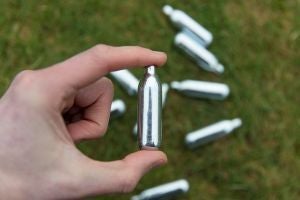
Nitrous oxide is widely recognized for its lawful use in medical and dental procedures, but California law prohibits its recreational use when intended to cause intoxication, euphoria, dizziness, or altered mental states.
Although many people associate nitrous oxide with dental offices and surgical procedures, the substance has become increasingly popular as a recreational drug.
Law enforcement agencies throughout California aggressively investigate cases involving illegal possession or recreational inhalation of nitrous oxide, especially when linked to parties, traffic stops, or other drug-related investigations.
A conviction under California Penal Code 381b PC may result in misdemeanor criminal charges, jail time, fines, probation, mandatory counseling, immigration consequences, and a permanent criminal record.
This guide explains California Penal Code 381b PC, the definition of nitrous oxide possession, criminal penalties, legal defenses, related California laws, examples, and frequently asked questions.
What Is California Penal Code 381b PC?
California Penal Code 381b PC prohibits:
- Possessing nitrous oxide with the intent to inhale or ingest it for intoxication purposes, or
- Knowingly being under the influence of nitrous oxide outside legitimate medical, dental, or surgical use.
The statute specifically targets recreational use of nitrous oxide intended to produce:
- Euphoria
- Intoxication
- Dizziness
- Stupefaction
- Distorted senses
- Altered mental processes
Legitimate medical or dental use, when administered by licensed healthcare professionals, is generally exempt from prosecution.
Text of California Penal Code 381b PC
California Penal Code 381b PC states in substance that anyone who possesses nitrous oxide or any substance containing nitrous oxide with the intent to inhale or ingest it for intoxication or sensory distortion, or who knowingly is under the influence of nitrous oxide, is guilty of a misdemeanor offense.
The law specifically excludes lawful medical, surgical, or dental administration by licensed professionals.
What Is Nitrous Oxide?
Nitrous oxide is a gas commonly used for anesthesia and sedation in medical and dental settings. It is commonly referred to as:
- Laughing gas
- Nitrous
- Whippets
- NOS
When lawfully administered, nitrous oxide may assist patients during:
- Dental procedures
- Surgical treatment
- Medical sedation
However, recreational inhalation may create dangerous physical and psychological effects.
Why Is Recreational Nitrous Oxide Illegal?
California prohibits recreational nitrous oxide use because of public safety and health concerns.
Potential risks include:
- Impaired judgment
- Loss of motor coordination
- Loss of consciousness
- Brain oxygen deprivation
- Accidents and injuries
- Driving impairment
Lawmakers seek to discourage abuse of inhalants and recreational chemical intoxication.
What Conduct Is Prohibited Under Penal Code 381b PC?
California Penal Code 381b PC criminalizes two primary categories of conduct.
Possession of Nitrous Oxide for Intoxication
A person may violate the law by possessing nitrous oxide with the intent to inhale it recreationally.
Possession may include:
- Carrying nitrous oxide containers
- Possessing balloons filled with nitrous oxide
- Storing nitrous oxide in vehicles
- Keeping nitrous oxide at home
The prosecution generally must show intent to use the substance for recreational purposes.
Being Under the Influence of Nitrous Oxide
A person may also violate the law by knowingly being under the influence of nitrous oxide outside legitimate medical or dental use.
The prosecution generally must show:
- Nitrous oxide impaired physical or mental abilities
- The use was not medically authorized
- The person knowingly used the substance recreationally
What Does “Possession” Mean Under California Law?
Possession under California law may include:
Actual Possession
Actual possession means the substance is physically on the person.
Examples may include:
- Holding nitrous oxide canisters
- Carrying balloons containing nitrous oxide
Constructive Possession
Constructive possession means the substance is located somewhere under the person's control.
Examples may include:
- Nitrous oxide stored in a vehicle
- Containers kept in a residence
- Possession within personal belongings
Multiple individuals may share possession in some situations.
What Does “Under the Influence” Mean?
Being under the influence generally means that nitrous oxide impairs the person's physical or mental abilities.
The prosecution need not prove extreme intoxication.
Evidence may include:
- Slurred speech
- Dizziness
- Impaired coordination
- Confusion
- Abnormal behavior
Even moderate impairment may support criminal charges.
Medical and Dental Exceptions Under Penal Code 381b PC
California law specifically allows lawful medical, dental, or surgical administration of nitrous oxide.
People generally may not be prosecuted when nitrous oxide is administered by:
- Dentists
- Doctors
- Licensed healthcare professionals
- Surgical providers
The law recognizes legitimate medical treatment purposes.
What Prosecutors Must Prove
To convict someone under California Penal Code 381b PC, prosecutors generally must prove every element of the offense beyond a reasonable doubt.
The prosecution generally must establish either:
Possession Theory
- The defendant possessed nitrous oxide or a substance containing nitrous oxide
- The defendant intended to inhale or ingest it for intoxication or sensory distortion
Under-the-Influence Theory
- The defendant was knowingly under the influence of nitrous oxide
- The use was not part of lawful medical or dental treatment
Related California Laws
Several California statutes commonly overlap with investigations under Penal Code 381b.
Health and Safety Code 11350 HS – Possession of Controlled Substances
California Health and Safety Code 11350 HS criminalizes the unlawful possession of certain controlled substances.
Health and Safety Code 11550 HS – Under the Influence of Controlled Substances
California Health and Safety Code 11550 HS prohibits being under the influence of certain controlled substances.
Health and Safety Code 11377 HS – Possession of Methamphetamine
Methamphetamine possession investigations sometimes overlap with inhalant or substance abuse allegations.
California Penal Code 459 PC – Burglary
Stealing nitrous oxide tanks or equipment from medical offices may result in burglary charges.
Penalties for Violating California Penal Code 381b PC
Violating Penal Code 381b PC is generally prosecuted as a misdemeanor offense.
Potential penalties may include:
- Up to 6 months in county jail
- Criminal fines
- Summary probation
- Drug counseling
- Community service
- Permanent criminal record
Judges sometimes impose probation instead of jail time in first-offense cases.
Common Defenses to Penal Code 381b PC Charges
An experienced California criminal defense attorney may use several legal defenses to challenge allegations involving nitrous oxide.
Legitimate Medical or Dental Use
The defense may argue that nitrous oxide was lawfully administered by a licensed professional during medical or dental treatment.
Lack of Intent
The prosecution generally must prove intent to use nitrous oxide recreationally.
The defense may argue:
- No intent to inhale existed
- The substance was lawfully possessed
- The defendant was unaware of the substance
Lack of Possession
The defense may argue the nitrous oxide belonged to another person.
Illegal Search and Seizure
If police obtained evidence through unconstitutional searches or seizures, the defense may seek suppression of evidence.
Insufficient Evidence
The prosecution must prove every element beyond a reasonable doubt.
The defense may challenge:
- Witness credibility
- Laboratory evidence
- Intent evidence
- Possession allegations
Examples of Penal Code 381b PC Cases
Example 1: Party Investigation
Police allegedly discovered balloons filled with nitrous oxide during a party investigation.
Example 2: Traffic Stop Arrest
Officers allegedly found nitrous oxide canisters inside a vehicle during a traffic stop.
Example 3: Dental Procedure Exception
A patient allegedly appears intoxicated after dental treatment involving lawful nitrous oxide administration.
Example 4: Medical Office Theft Investigation
Authorities allegedly accuse someone of stealing nitrous oxide from a dental office for recreational use.
Frequently Asked Questions
Is nitrous oxide illegal in California?
Nitrous oxide itself is not illegal when used lawfully for medical or dental purposes. Recreational possession or intoxication may violate Penal Code 381b PC.
What is considered recreational use?
Recreational use generally involves inhaling nitrous oxide for intoxication, euphoria, or sensory alteration.
Is Penal Code 381b PC a felony?
No. Violations are generally prosecuted as misdemeanor offenses.
Can I be arrested for possessing nitrous oxide even if I was not using it?
Yes. Possession with intent to inhale for intoxication purposes may lead to criminal charges.
Can lawful dental use result in criminal charges?
Generally, no. Lawful administration by licensed medical or dental professionals is exempt under California law.
Can illegal searches lead to dismissal?
Potentially. Evidence obtained through unconstitutional searches may be suppressed in court.
Speak With a California Criminal Defense Lawyer
If you were arrested or investigated for violating California Penal Code 381b PC involving nitrous oxide or laughing gas allegations, obtaining experienced legal representation immediately is critical.
Drug-related criminal allegations may result in jail exposure, probation, immigration consequences, counseling requirements, and permanent criminal records.
An experienced California criminal defense lawyer can assess your case, challenge illegal searches, contest possession claims, safeguard your constitutional rights, and create a defense strategy tailored to your circumstances.
Early legal action may enhance your chances of lower charges, prevent a conviction, or seek dismissal.
The Esfandi Law Group can help you. Schedule your free consultation at (310) 274-6529 or use the contact form here.