
California Penal Code 415 PC: Disturbing the Peace Laws Explained
Under Penal Code Section 415 PC, disturbing the peace is defined as unlawfully fighting or challenging someone to a fight in a public place, willfully and maliciously disturbing another person with loud and unreasonable noise, or using offensive words in a public place that are inherently likely to provoke an immediate violent reaction.
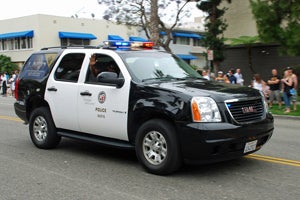
California Penal Code 415 PC covers a broad spectrum of public disruptions, ranging from verbal altercations to excessive noise.
Beyond being an independent criminal offense, PC 415 frequently serves as a strategic cornerstone in California criminal defense, often functioning as a favorable reduced charge in plea negotiations for domestic violence, battery, or trespassing allegations.
What Must Be Proven to Convict Under PC 415
California Penal Code 415 PC categorizes prohibited conduct into three distinct legal theories. To secure a conviction, the prosecution must prove the specific elements of at least one sub-category beyond a reasonable doubt:
Unlawfully Fighting or Challenging a Fight (PC 415(1) / CALCRIM 2688)
-
Public Location: You unlawfully fought another person or challenged another person to fight in a public place or a place open to the public.
-
Lack of Legal Justification: You did not act in lawful self-defense or the defense of another person.
Loud and Unreasonable Noise (PC 415(2) / CALCRIM 2689)
-
Malicious Intent: You willfully and maliciously caused loud and unreasonable noise.
-
Disturbance: The noise created a clear disturbance to another person or disrupted a lawful assembly/activity.
-
Risk of Violence: The noise presented an immediate danger of inciting violence or was deliberately generated to cause a disruption.
Offensive Words Likely to Provoke Violence (PC 415(3) / CALCRIM 2690)
-
Public Utterance: You used offensive, inherently provocative words in a public space.
-
Likelihood of Violent Reaction: Your language was inherently likely to provoke an immediate physical or violent response from the person to whom the comments were addressed.
Key Legal Definitions & Statutory Distinctions
-
"Willfully": Committing an act deliberately, intentionally, or on purpose.
-
"Maliciously": Acting with a desire to vex, annoy, disturb, or injure another person, or with an intent to perform a wrongful act.
-
"Public Place": Any location open to the general public or accessible to common use, including streets, sidewalks, shopping centers, parking lots, parks, and retail stores.
-
"Offensive Words": Speech that goes beyond mere profanity, insult, or disrespect; it must constitute "fighting words" that pose a clear and present danger of inciting immediate violence.
Penalties and Sentencing for PC 415 Violations
California Penal Code 415 PC is a "wobbler" offense that prosecutors can charge as either a misdemeanor or a non-criminal infraction based on the defendant's criminal record and the facts of the incident.
Infraction PC 415
-
Case Circumstances: First-time incidents, minor noise complaints, or cases reduced from higher-level charges via plea negotiations.
-
Criminal Penalties: No jail time; maximum court fine of up to $250.
-
Collateral & Regulatory Impact: Non-criminal resolution; does not result in a misdemeanor conviction record.
Misdemeanor PC 415
-
Case Circumstances: Standard violations involving public fights, aggressive public confrontations, or repeat disruptions.
-
Criminal Penalties: Up to 90 days in county jail, fines of up to $400, and summary (informal) probation.
-
Collateral & Regulatory Impact: Creates a misdemeanor criminal record that may appear on employment background checks.
Misdemeanor PC 415.5 (Disturbing the Peace on School Grounds)
-
Case Circumstances: Violations of PC 415 occurring on the grounds of any K-12 school, community college, or university campus by non-students.
-
Criminal Penalties: Up to 90 days in county jail and fines up to $400 (with mandatory minimum jail terms for repeat offenders).
-
Collateral & Regulatory Impact: Formal campus bans, potential administrative exclusions, and a misdemeanor criminal record.
Strategic Defenses Against PC 415 Charges
-
Self-Defense or Defense of Others: If accused of unlawful fighting under PC 415(1), establishing that you held an honest, reasonable belief that physical harm was imminent—and used only proportional force to protect yourself or another—serves as a complete legal defense.
-
Lack of Willfulness or Malicious Intent: For noise complaints under PC 415(2), demonstrating that the noise was accidental, unintentional, or produced without malicious intent negates the mental state required for conviction.
-
First Amendment / Constitutionally Protected Speech: For charges under PC 415(3), showing that the language used was protected political expression, general profanity, or non-provocative speech establishes that the conduct is protected under the First Amendment.
-
Private Property / Non-Public Setting: Proving that the alleged conduct occurred entirely within a private residence or non-public venue where the general public was not exposed to the disturbance.
Hypothetical Examples of Penal Code 415 Charges
-
Unlawful Fighting (Misdemeanor PC 415(1)): Two patrons get into a heated verbal argument inside a crowded restaurant parking lot and agree to step outside to engage in a physical fight.
-
Loud and Unreasonable Noise (Infraction PC 415(2)): An individual repeatedly plays amplified music at maximum volume in a public plaza at midnight specifically to irritate nearby hotel guests despite police warnings.
-
First Amendment Defense (No Crime): A protester shouts coarse and profane political slogans at passersby on a public sidewalk. Because the speech does not constitute direct "fighting words" likely to provoke immediate violence, it remains protected speech.
Related California Offenses
When public disturbances occur, prosecutors may file PC 415 alongside or in lieu of other California statutory violations.
-
California Penal Code 240 / 242 PC – Assault & Battery: PC 240 (assault) covers unlawful attempts to commit violent injury, while PC 242 (battery) involves actual non-consensual physical force.
-
California Penal Code 422 PC – Criminal Threats: Criminalizes intentionally threatening to commit a crime that will cause death or great bodily injury, placing another in sustained fear.
-
California Penal Code 602 PC – Trespassing: Prohibits entering or remaining on private property without consent after being instructed to leave.
-
California Penal Code 407 / 404 PC – Unlawful Assembly & Riot: PC 407 penalizes two or more people assembling to commit an unlawful act, while PC 404 covers group uses of force or violence.
-
California Penal Code 403 PC – Disturbing a Public Meeting: Specifically criminalizes intentionally disrupting or breaking up a lawful non-religious or non-political assembly.
-
California Penal Code 273.5 / 243(e)(1) PC – Domestic Violence: Covers physical force or battery committed against intimate partners, spouses, or cohabitants.
Why Related Charges Matter
In Southern California criminal courts, defense counsel routinely seeks to reduce serious charges—such as PC 273.5 domestic battery, PC 422 criminal threats, or PC 242 battery—down to a PC 415 disturbing the peace violation through plea bargaining.
Securing a reduction to PC 415 avoids domestic violence probation terms, prevents mandatory immigration consequences, protects professional licenses, and often allows for resolution as a non-criminal infraction.
Frequently Asked Questions (FAQs)
What does it mean that Penal Code 415 PC is a "wobbler"?
A "wobbler" in this context refers to the prosecutor's legal discretion to file a PC 415 charge as either a minor, non-criminal infraction or a misdemeanor, depending on the defendant's prior criminal record and the facts of the case.
Can I be convicted of PC 415 disturbing the peace if I was acting in self-defense?
No. If you had a reasonable belief that you or someone else faced imminent physical harm, and you used only the degree of force necessary to protect against that harm, self-defense is a complete defense to PC 415.
Is using profane or disrespectful language always a crime under PC 415?
No. Standard profanity, rude remarks, or disrespectful speech are protected under the First Amendment. To violate PC 415(3), the words must be "fighting words" inherently likely to trigger an immediate, violent reaction from the listener.
How is Penal Code 415 PC used as a plea bargaining tool in California?
Because PC 415 carries low penalties and carries no mandatory domestic violence or moral turpitude stigmas, defense attorneys frequently negotiate to have serious charges reduced to PC 415 to protect a client's criminal record.
Can disturbing the peace be charged if the incident occurred on private property?
Generally no. PC 415 requires the conduct to occur in a public place or an area open to the general public, unless the noise or disturbance intentionally penetrates public spaces or neighboring properties.
Will a misdemeanor PC 415 conviction appear on employment background checks?
Yes. A misdemeanor conviction under PC 415 will show on standard background checks, though an experienced defense attorney can help expunge the record under PC 1203.4 after probation is successfully completed.
What is the maximum jail sentence for a misdemeanor PC 415 conviction?
The maximum jail sentence for a misdemeanor violation of California Penal Code 415 PC is 90 days (up to 3 months) in county jail.
Can a PC 415 conviction impact my immigration status in the United States?
Unlike severe domestic violence or moral turpitude offenses, a simple PC 415 disturbing the peace conviction typically does not trigger mandatory deportation, inadmissibility, or adverse immigration consequences.
The most effective way to secure a favorable outcome is by consulting an experienced criminal defense attorney at Esfandi Law Group in California. Schedule your free consultation at (310) 274-6529 or use the contact form.