
Encino Gun Crime Attorney: Protecting Your Rights and Freedom
An unexpected traffic stop along Ventura Boulevard or a law enforcement response in Encino can escalate in seconds when a firearm or deadly weapon is involved. California enforces some of the most aggressive weapon laws in the nation, and prosecutors in Los Angeles County aggressively pursue maximum penalties for gun-related offenses.
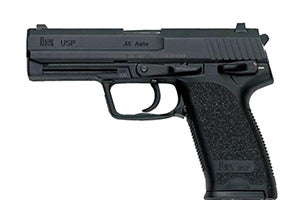
A weapon charge can lead to state prison time, steep financial penalties, mandatory firearm relinquishment, and a permanent criminal record. Whether your case involves an alleged concealed carry violation, brandishing, unlawful possession, or an aggravated enhancement, immediate action is critical.
At Esfandi Law Group, led by former public defender Seppi Esfandi, we provide strategic defense for individuals facing serious gun and weapon charges in Encino and across Los Angeles.
Quick Reference Summary: Common California Weapon Charges
|
Offense |
Penal Code Section |
Key Legal Elements |
Potential Penalties |
| Felon in Possession of a Firearm | PC 29800 | Prohibited person knowingly owning, purchasing, or possessing a firearm | 16 months, 2, or 3 years in state prison; lifetime firearm prohibition |
| Carrying a Concealed Firearm | PC 25400 | Carrying a concealed firearm on person or in vehicle without a valid CCW permit | Up to 1 year jail (misdemeanor) or up to 3 years state prison (felony) |
| Carrying a Loaded Firearm in Public | PC 25850 | Carrying a loaded firearm in a public place or vehicle in an incorporated city | Up to 1 year jail (misdemeanor) or up to 3 years state prison (felony) |
| Brandishing a Weapon | PC 417 | Exhibiting a firearm or deadly weapon in a rude, angry, or threatening manner | Mandatory minimum 30 to 90 days jail, up to 1 year in county jail |
| Gross Negligent Discharge | PC 246.3 | Willfully discharging a firearm in a grossly negligent manner that could cause injury/death. | Up to 1 year jail (misdemeanor) or 16 months, 2, or 3 years prison (felony) |
| Possession of an Assault Weapon | PC 30605 | Knowingly possessing an unlicensed firearm defined as an assault weapon under CA law. | Up to 1 year jail (misdemeanor) or up to 3 years state prison (felony) |
What Counts as a Weapons Offense in California?
California weapon laws extend beyond discharging a gun. Charges frequently stem from how a firearm is carried, who possesses it, where it is located, or whether it meets state definitions of banned items.
Key categories of gun and weapon offenses include:
-
Possession by Prohibited Persons (PC 29800): Individuals convicted of felonies, specific misdemeanors (such as domestic violence), or subject to restraining orders are legally barred from owning or possessing firearms.
-
Carrying Without a Permit (PC 25400 & PC 25850): Transporting a concealed or loaded firearm in a vehicle or public space without a recognized Concealed Carry Weapon (CCW) permit.
-
Brandishing a Firearm (PC 417): Drawing, showing, or displaying a firearm or weapon during an argument or confrontation in a threatening manner.
-
Negligent Discharge (PC 246.3): Firing a weapon into the air or within city limits in a manner that creates a risk of injury or death.
-
Possession in Prohibited Locations: Carrying weapons in restricted spaces such as school zones (Gun-Free School Zone Act / PC 626.9), government buildings, or airports.
-
Banned Weapons and Accessories: Possession of assault weapons, short-barreled rifles, untraceable "ghost guns," silencers, or large-capacity magazines.
The Legal Process After a Weapon Arrest in Encino
Following an arrest by the Los Angeles Police Department (LAPD West Valley Division) or local law enforcement, you will be booked and either required to post bail or held for an arraignment.
The criminal justice process typically unfolds across several critical stages:
-
Arraignment: The court formally presents the charges, and you enter an initial plea.
-
Pre-Trial & Discovery: Defense attorneys request and review police reports, body-camera footage, dispatch records, and ballistics data.
-
Pre-Filing Intervention & Motion Practice: Filing legal motions—such as a Section 1538.5 Motion to Suppress Evidence—to challenge constitutional violations before trial.
-
Negotiation or Trial: Leverage weaknesses in the prosecution's evidence to secure a dismissal or charge reduction, or present a defense before a jury.
Crucial Timing: The first 48 to 72 hours after an arrest represent a vital window. Early legal intervention lets your defense counsel contact prosecutors before they finalize formal charging decisions.
Penalties and Long-Term Consequences
A conviction for a firearm or weapon offense triggers statutory penalties and lifelong collateral consequences:
-
Incarceration: Misdemeanor convictions carry up to one year in county jail, while felony convictions can result in years in California state prison.
-
Substantial Fines: Court fines and mandatory state penalty assessments range from $1,000 to more than $10,000.
-
Loss of Second Amendment Rights: A felony weapon conviction results in a lifetime federal and state ban on firearm ownership. Specific misdemeanor convictions impose a 10-year statutory ban.
-
Immigration Consequences: Non-citizens face severe risks; federal immigration law categorizes firearm offenses as deportable offenses.
-
California Three Strikes Law: Certain aggravated gun crimes (such as assault with a firearm or grossly discharging a firearm) qualify as violent or serious felonies under California's Three Strikes law.
California Firearm Sentencing Enhancements
California law contains mandatory sentencing enhancements that add consecutive prison time to underlying felony charges if a firearm was involved:
-
PC 12022.5 – Personal Use of a Firearm: Adds 3, 4, or 10 years in state prison for personally using a firearm during a felony.
-
PC 12022.53 – "10-20-Life" Law: Imposes severe enhancements for specific violent felonies:
-
10 Years: For personally using a firearm.
-
20 Years: For personally discharging a firearm.
-
25 Years to Life: For discharging a firearm causing great bodily injury or death.
-
-
Gang Enhancements (PC 186.22): Increases exposure if prosecutors allege the offense was committed for the benefit of a criminal street gang.
Proven Defense Strategies for Encino Gun Charges
Defending against a weapon charge requires a detail-oriented review of police procedures and physical evidence. Common defense strategies include:
1. Unlawful Search and Seizure (4th Amendment Violations)
Law enforcement must have reasonable suspicion for a traffic stop and probable cause—or a valid search warrant—to search your vehicle, home, or person. If officers conducted an illegal stop or warrantless search, your attorney can file a motion under Penal Code 1538.5 PC to exclude the weapon as evidence, often forcing dismissal of the case.
2. Lack of Knowledge or Constructive Possession
To prove possession, prosecutors must show you knew the weapon was present and controlled it. If a gun was concealed inside a shared vehicle, a multi-tenant residence, or dropped by another party without your knowledge, you cannot be legally convicted of possession.
3. Self-Defense or Defense of Others
If you brandished or drew a weapon because you reasonably believed you or someone else faced imminent threat of bodily harm, California's self-defense laws provide a legal justification for your actions.
4. Valid Permits or Statutory Exemptions
Valid Concealed Carry Weapon (CCW) permits, specific law enforcement/military exemptions, or compliance with safe transportation statutes (e.g., carrying an unloaded firearm in a locked container under PC 25610) serve as absolute defenses.
Hypothetical Example
Scenario: Marcus is driving home through Encino when LAPD officers pull him over for a broken taillight. Without requesting consent or establishing probable cause, an officer opens the back door and searches a gym bag on the floorboard, finding an unregistered firearm. Marcus is arrested under PC 25400 for carrying a concealed weapon.
Legal Analysis: While the initial traffic stop for an equipment violation was lawful, searching closed personal luggage inside a vehicle without consent, a warrant, or visible contraband violates the Fourth Amendment. Marcus's defense attorney files a Motion to Suppress Evidence (PC 1538.5). The judge grants the motion, excludes the gun as evidence, and forces the prosecutor to dismiss all charges.
Related California Laws
-
California Penal Code 245(a)(2) PC – Assault with a Firearm: Unlawfully committing an assault upon another person using a pistol, revolver, or rifle.
-
California Penal Code 415 PC – Disturbing the Peace: Unlawfully fighting, producing loud noise, or using offensive language in a public place.
-
California Penal Code 148(a)(1) PC – Resisting Arrest: Delaying, obstructing, or resisting a peace officer during their duties.
-
California Penal Code 12022.1 PC – Offense Committed While on Bail: Penalty enhancement applied if a new offense is committed while released on bail or own recognizance.
Frequently Asked Questions
Is carrying a concealed gun in a car illegal in California?
Yes, unless you possess a valid California Concealed Carry Weapon (CCW) permit or meet specific statutory exemptions. Under Penal Code 25400 PC, carrying a concealed firearm inside a vehicle—even under a seat or in a glove compartment—is illegal. However, transporting an unloaded firearm locked inside the trunk or in a locked container complies with California law (PC 25610).
What is the difference between actual and constructive possession?
Actual possession means the weapon was physically on your person (e.g., in your pocket or hands). Constructive possession means you did not physically hold the weapon, but you had control over it or the right to control it (e.g., a gun stored inside a locked safe to which only you have the key). Prosecutors must prove knowledge and control for constructive possession.
Can a misdemeanor gun charge turn into a felony?
Yes. Many California gun laws are "wobblers," meaning prosecutors can file them as misdemeanors or felonies depending on the circumstances. Factors that elevate a charge to a felony include prior criminal records, gang allegations, stolen firearms, or carrying a weapon while prohibited.
Will a gun conviction affect my immigration status?
Yes. Federal immigration law considers firearm offenses—including unlawful possession or carrying an unlicensed weapon—as deportable and inadmissible grounds for non-citizens, permanent residents (green card holders), and visa holders.
How can a lawyer challenge an illegal search that found a gun?
Your attorney files a Motion to Suppress Evidence pursuant to Penal Code 1538.5 PC. During the hearing, the judge evaluates whether law enforcement violated your Fourth Amendment rights. If the court determines the search was unlawful, the judge orders the gun excluded, which typically forces the prosecution to drop the case.
What should I do if police pull me over and suspect there is a gun in the car?
Stay calm and polite, and keep your hands visible on the steering wheel. Do not consent to any search of your vehicle or personal items. State clearly that you wish to exercise your right to remain silent and want to speak with an attorney before answering questions.
Speak with an Encino Weapon Offense Lawyer Today
If you or a loved one is facing gun or weapon charges in Encino, fast and decisive action is necessary. At Esfandi Law Group, we provide aggressive, personalized defense tailored to the facts of your case.
Led by attorney Seppi Esfandi, our team protects your rights, challenges improper law enforcement actions, and seeks case dismissals or charge reductions. Contact us for a free case review.