
Under California law, private firearm transfers generally require a Federal Firearms License (FFL) dealer, a 10-day waiting period, and a background check.
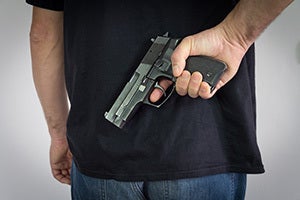
However, California Penal Code § 27875 allows specific immediate family members to conduct an intrafamilial firearm transfer without going through a licensed gun dealer (often referred to as a "paperless" transfer at the moment of handover).
Understanding how to legally hand down or gift a firearm ensures you stay compliant with state laws and avoid serious misdemeanor charges under California Penal Code § 26500 PC.
Who Qualifies for an Intrafamilial Gun Transfer in California?
The intrafamilial firearm exemption is strictly limited by relationship. It only applies to direct vertical lineage and legal spouses/partners.
Eligible Immediate Family Members
-
Parent to adult child (or adult child to parent)
-
Grandparent to adult grandchild (or adult grandchild to grandparent)
-
Spouses
-
Registered domestic partners
Prohibited Relationships (FFL Dealer Required)
Paperless family transfers are not permitted between:
-
Siblings (brothers and sisters)
-
Aunts and uncles
-
Cousins
-
Stepparents and stepchildren
-
In-laws
Legal Requirements for Family Firearm Transfers
Even among eligible family members, several statutory conditions must be met to legally transfer ownership:
-
Firearm Safety Certificate (FSC): Under Penal Code § 26840, the recipient must possess a valid California Firearm Safety Certificate (or qualify for a statutory exemption) before taking possession of any firearm.
-
Age & Eligibility: The recipient must be at least 18 years old and legally permitted to own firearms under state and federal law (e.g., no felony convictions, domestic violence restraining orders, or disqualifying mental health holds).
-
California Residency: Both the transferor and the recipient must be legal California residents. (Interstate transfers across state lines must go through an FFL under federal law).
-
Legal Firearm Status: The firearm must be legal to possess in California (e.g., non-assault weapons, non-banned rifles).
-
Infrequent Transfers: The transfers must be "infrequent" (defined as fewer than six transactions per calendar year).
Step-by-Step Reporting Process After the Transfer
While an FFL dealer does not need to process the initial handover, the state requires post-transfer registration.
-
Verify FSC: Ensure the recipient holds a valid California FSC.
-
Transfer Possession: Physically hand over the legal firearm to your eligible family member.
-
Report to CA DOJ: Within 30 days of taking possession, the recipient must submit a Report of Operation of Law or Intra-Familial Firearm Transaction (Form BOF 4544A) to the California Department of Justice along with the standard $19 state filing fee. This can be submitted by mail or electronically via the California Reporting Information System (CFARS).
Penalties for Illegal Transfers Under Penal Code § 26500 PC
Selling, gifting, or transferring a firearm without meeting an explicit legal exemption or going through a licensed dealer violates California Penal Code § 26500 PC.
|
Offense |
Classification |
Potential Penalties |
| Unlicensed Transfer (PC 26500) | Misdemeanor | Up to 6 months in county jail per count, fines up to $1,000, and loss of firearm rights |
When Is a Licensed Firearms Dealer (FFL) Required?
For any transfer that does not meet the strict intrafamilial definitions above—including private party sales (PPTs), trades between friends, or gifts to extended relatives—you must use a California-licensed gun dealer.
Dealer Transfer Requirements
-
Obtain a valid driver's license/ID to verify age (must be at least 21 for handguns and centerfire rifles).
-
Initiate a Dealer Record of Sale (DROS) background check.
-
Enforce California's mandatory 10-day waiting period before releasing the firearm.
Requirements to Become a Licensed Gun Dealer in California
To operate legally as a firearms dealer in California, you must maintain:
-
A valid Federal Firearms License (FFL)
-
All required local municipal regulatory and business licenses
-
A valid seller's permit from the California Department of Tax and Fee Administration (formerly Board of Equalization)
-
A Certificate of Eligibility (COE) issued by the California DOJ
-
A one-year centralized list license issued by the licensing authority
Note: Licensed dealers are strictly prohibited from selling non-roster handguns (unless exempt), assault weapons, or generally prohibited weapons under California law.
Frequently Asked Questions
Can I give a gun to my brother or sister in California without an FFL dealer?
No. Transfers between siblings, cousins, aunts, uncles, or stepparents are not exempt from state dealer requirements. To transfer a firearm to a sibling legally, both parties must visit a licensed California firearms dealer to process a Private Party Transfer (PPT) with a background check and 10-day waiting period.
Does a family member receiving a gun still need a Firearm Safety Certificate?
Yes. Under Penal Code § 26840, the family member receiving the firearm must hold a valid Firearm Safety Certificate (FSC) before taking possession, unless they hold a statutory exemption (such as active law enforcement or military status).
What is the fee and deadline to report an intrafamilial gun transfer?
The recipient of the firearm must submit Form BOF 4544A (or report via CFARS) to the California Department of Justice within 30 days of taking possession. The standard state processing fee is $19.
Can I transfer an off-roster handgun to my adult son or daughter?
Yes, provided it is a bona fide gift between eligible immediate family members (parent to child or grandparent to grandchild) who are both California residents. Off-roster handguns can be legally transferred via intrafamilial report, provided the handgun is not classified as an illegal assault weapon under state law.
What happens if I accidentally hand over a gun to a relative without filing the paperless report?
Failing to file the intra-familial report within 30 days or transferring a gun to a non-exempt relative outside an FFL dealer can result in misdemeanor criminal charges under Penal Code § 26500 PC, punishable by up to six months in jail and loss of gun rights.
How Esfandi Law Group Can Help
If you or a loved one is facing investigation or charges for violating Penal Code 26500 PC or any California firearm regulation, taking swift legal action is essential.
Seppi Esfandi brings decades of specialized experience as a Los Angeles criminal defense attorney, representing clients against weapon charges and navigating complex California firearm statutes.
-
Schedule an In-Person Consultation: Meet directly with our defense team to review your case.
-
Online Case Evaluation: Submit your case details online for a prompt, confidential case assessment.
Contact Esfandi Law Group today to protect your rights and safeguard your legal standing.
