
Los Angeles Domestic Violence Attorney
Being accused of domestic violence in Los Angeles can instantly put your freedom, reputation, employment, and family at risk.
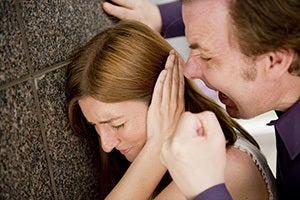
In California, domestic violence charges are prosecuted aggressively by specialized units. Prosecutors will often move forward with a case even if the alleged victim recants or requests that the charges be dropped.
However, an accusation is not a conviction. Police reports can be flawed, emotions run high during domestic disputes, and allegations are frequently exaggerated or false.
Navigating the Los Angeles County court system requires immediate, strategic legal intervention.
If you are facing domestic violence allegations, the Esfandi Law Group provides aggressive, strategic representation to protect your rights, challenge the prosecution's evidence, and fight for the best possible outcome.
📞 Need immediate help? Time is of the essence. Call (310) 274-6529 for a free, confidential consultation with a seasoned Los Angeles criminal defense lawyer.
Quick Reference Summary Chart
|
Aspect |
Key Information |
| Primary Statutes | California Penal Code 273.5 PC & Penal Code 243(e)(1) PC |
| Statute of Limitations | Generally 5 years to file criminal charges for most domestic violence offenses under recent California law modifications. |
| Wobbler Status | Many offenses are "wobblers" (can be charged or reduced from a felony to a misdemeanor under PC 17(b)). |
| Mandatory Conditions | Convictions require a mandatory 52-week Batterers' Intervention Program (BIP) under PC 1203.097. |
| Firearm Restrictions | 10-year ban for misdemeanors; lifetime ban for felony convictions under PC 29825. |
| Immigration Impact | Domestic violence convictions are deportable offenses and can bar green cards, visas, or citizenship. |
California Domestic Violence Laws Explained
California law considers domestic violence as abuse, attempted abuse, or threats of abuse against a current or former intimate partner.
According to California Family Code 6211 and Penal Code 13700 PC, relationships that qualify include:
-
A current or former spouse
-
A fiancé, fiancée, or dating partner (current or former)
-
A cohabitant or former cohabitant (someone you lived with)
-
A co-parent with whom you share a child
In California, "abuse" doesn't need to involve serious physical injuries. Any offensive, non-consensual contact or a credible threat of harm can lead to a domestic violence arrest.
Common Domestic Violence Charges in Los Angeles
-
Penal Code 273.5 PC – Corporal Injury to a Spouse or Cohabitant: This statute criminalizes intentionally causing physical injuries, like bruises, swelling, cuts, or internal harm, to an intimate partner. It is classified as a wobbler offense.
-
Penal Code 243(e)(1) PC – Domestic Battery: This charge applies to any intentional and unlawful touching of an intimate partner in a harmful or offensive way. Unlike PC 273.5, no visible injury is required. This charge is always a misdemeanor.
Related Offenses Often Filed Concurrently
Prosecutors often charge multiple offenses from one domestic incident to increase their leverage. It is important to understand these related statutes to properly assess your total case exposure.
-
Penal Code 422 PC – Criminal Threats: Threatening someone with immediate, serious harm or death, resulting in a reasonable and ongoing fear for their safety or that of their family, is a crime. This can be charged as either a misdemeanor or a felony, with a felony conviction constituting a "strike" under California’s Three Strikes Law.
-
Penal Code 273.6 PC – Violating a Protective Order: This charge entails knowingly and intentionally breaching a court-issued restraining or protective order. Usually classified as a misdemeanor, a conviction may result in mandatory jail time, particularly if the violation included physical violence or was a subsequent offense.
-
Penal Code 646.9 PC – Stalking: This statute makes it a crime to intentionally, maliciously, and repeatedly follow or harass someone, especially when combined with a credible threat aimed at causing them reasonable fear for their safety or that of their immediate family. Cyberstalking through electronic communications is also covered.
-
Penal Code 653.2 PC – Cyber Harassment & Doxing: This law prohibits using electronic communication devices to publish, share, or distribute someone's personal identifying information (like home addresses or phone numbers) with malicious intent, such as causing them reasonable fear for their safety or prompting third-party harassment.
-
Penal Code 594 PC – Vandalism: This statute covers cases where a person intentionally defaces, damages, or destroys someone else's real or personal property. In domestic disputes, common charges include breaking a partner's phone, punching a hole in a wall, or damaging a vehicle. If the property damage is valued at $400 or more, it may be prosecuted as a felony.
-
Penal Code 591.5 PC – Damaging a Communication Device: This law criminalizes intentionally damaging, disconnecting, or removing any electronic communication device with the purpose of preventing someone from seeking help or reporting a crime to law enforcement. A typical example is snatching a spouse's cell phone while they try to call 911.
-
Penal Code 236 PC – False Imprisonment: This offense refers to unlawfully infringing on another person's personal liberty. In domestic situations, charges may arise if someone blocks a doorway, restrains a partner, or refuses to let them leave a room during an intense argument. When committed with violence, threats, fraud, or deception, it is classified as a felony.
Penalties for Domestic Violence Convictions
Penalties for battery and domestic violence offenses differ greatly depending on the injury severity, the defendant's criminal record, and whether the charge is a misdemeanor or a felony.
Table of Criminal Sentences for Battery Crimes in California
|
Offense & Code Section |
Key Elements |
Potential Penalties |
|
Simple Battery (PC 242) |
Willful and unlawful touching of another person. | Up to 6 months in county jail; fines up to $2,000. |
|
Domestic Battery (PC 243(e)(1)) |
Offensive touching of an intimate partner; no injury required. | Up to 1 year in jail; fines up to $2,000; 52-week BIP; 10-year firearm ban. |
|
Battery Causing Serious Bodily Injury (PC 243(d)) |
Battery resulting in a serious physical injury. |
Misdemeanor: Up to 1 year in jail. Felony: 2, 3, or 4 years in state prison. |
|
Corporal Injury to Spouse/Cohabitant (PC 273.5) |
Willful infliction of a physical injury causing a traumatic condition. |
Misdemeanor: Up to 1 year in jail. Felony: 2, 3, or 4 years in state prison; victim restitution. |
|
Assault with Force Likely to Produce GBI (PC 245(a)(4)) |
Force used that is highly likely to cause Great Bodily Injury. |
Misdemeanor: Up to 1 year in jail. Felony: 2, 3, or 4 years in state prison. |
|
Sexual Battery (PC 243.4) |
Non-consensual touching of an intimate part for sexual arousal. | Up to 1 year in jail (misdemeanor) or up to 4 years in prison (felony); sex offender registration may apply. |
Real-World Examples and Scenarios
Example 1: Domestic Battery Without Injury (PC 243(e)(1))
During an argument in their Los Angeles apartment, a couple starts shouting. One partner firmly grabs the other's arm to stop them from leaving. A neighbor calls the police.
Even without visible marks, bruises, or injuries, grabbing is considered offensive and non-consensual contact. The person is arrested and charged with misdemeanor domestic battery.
Example 2: Corporal Injury resulting in a Wobbler Charge (PC 273.5)
A husband and wife engage in a violent fight. The husband pushes the wife, making her fall against a coffee table and leaving a bruise on her hip. When Los Angeles County Sheriff's deputies arrive, they photograph the bruise.
Because there is clear evidence of harm, the husband faces charges under PC 273.5. With no previous criminal record, a knowledgeable defense lawyer might negotiate to reduce this wobble offense from a felony to a misdemeanor.
Example 3: False Allegations During a Custody Dispute
A couple is going through a contentious divorce and custody dispute in the Los Angeles Family Court.
One person falsely alleges that their ex-spouse hit them during a child exchange, aiming to obtain a Temporary Restraining Order (TRO) and sole custody.
An attorney quickly intervenes, collects surveillance footage from the drop-off site showing no contact, and shares it with the prosecutor to prevent criminal charges from being filed.
Common Legal Defenses
To secure a conviction, prosecutors need to prove a defendant's guilt beyond a reasonable doubt to a jury. An experienced domestic violence attorney can use several effective legal defenses:
-
Self-Defense or Defense of Others: You applied a reasonable and proportionate amount of force to defend yourself or someone else from immediate danger.
-
False Allegations / False Accusations: The allegations were made out of jealousy, anger, or as a strategic move in family court or child custody disputes.
-
Accident or Lack of Willful Intent: The contact or injury happened purely by accident, without any criminal intent or negligence involved.
-
Lack of Sufficient Evidence: The prosecution's case depends entirely on inconsistent witness statements, with no physical evidence, medical records, or digital proof to support the allegations.
The Critical Importance of Early Legal Intervention
The time from your arrest to your initial court appearance (arraignment) is called the prefiling intervention stage. This period is crucial.
Why Timing Matters
-
Preventing Charges: Your defense attorney can submit mitigating evidence, character references, or exculpatory proof directly to the prosecutor before charges are officially filed, possibly persuading them to decline the case altogether.
-
Managing Criminal Protective Orders (CPOs): At your arraignment under PC 136.2, a judge will almost always issue a protective order. This may require you to leave your home, limit your access to your children, and revoke your firearm rights. A defense attorney can request a "Level 1" peaceful contact order, which is less restrictive than a full "no-contact" order.
-
Protecting Your Record: An arrest remains on your record even if the charges are dismissed. Early intervention can help reduce the long-term impact on your reputation, job prospects, and professional licenses.
Frequently Asked Questions (FAQs)
Can the victim drop the domestic violence charges in California?
No. In California, criminal cases are initiated by the State through the local District Attorney or City Attorney, not by the person who contacted the police. Even if the victim recants, signs a declaration declining prosecution, or refuses to testify, prosecutors often proceed with the case by relying on police reports, 911 audio recordings, and photographic evidence.
What is a "wobbler" offense in California domestic violence cases?
A wobbler is a crime that can be charged as either a misdemeanor or a felony, based on the prosecutor's discretion. Under California Penal Code Section 17(b), a judge has the authority to downgrade a felony to a misdemeanor. When deciding, the court considers factors such as the defendant's criminal record, the extent of the victim's injuries, and any mitigating circumstances offered by the defense.
Will I lose my right to own firearms if convicted of domestic violence?
Yes. According to California Penal Code 29825 PC, a misdemeanor domestic violence conviction under PC 243(e)(1) or PC 273.5 results in a mandatory 10-year firearm ban. A felony domestic violence conviction leads to a lifetime restriction on owning, possessing, or purchasing firearms under both state and federal law.
What are the immigration consequences of a domestic violence conviction?
For non-citizens, such as green card holders, visa holders, and undocumented individuals, a domestic violence conviction can have serious consequences. Federal immigration law considers offenses under PC 273.5 as either "crimes of moral turpitude" or "crimes of violence," which can lead to deportation. A conviction may result in immediate removal proceedings, make someone inadmissible, or prevent naturalization.
What is a 52-week Batterers' Intervention Program?
Under California Penal Code Section 1203.097, if you receive probation for a domestic violence conviction, the court must impose strict conditions. These include at least a three-year probation period, a protective order, and mandatory participation in and completion of a certified 52-week Batterers' Intervention Program (BIP).
Why Choose Esfandi Law Group?
-
23+ Years of Courtroom Experience: Led by Attorney Seppi Esfandi, a highly ranked criminal defense specialist and former public defender with strong connections in the Los Angeles legal community.
-
Proven Prefiling Success: We act swiftly to intervene before the prosecutor files formal charges, aiming for dismissals or reductions.
-
Comprehensive Defense Strategy: We examine every aspect—from determining if law enforcement infringed on your rights during search and seizure, to assessing exceptions to warrant rules, like exigent circumstances.
-
Bilingual Representation: We provide specialized, professional legal services in English and Spanish.
What To Do Immediately Following an Arrest:
-
Exercise Your Right to Remain Silent: Never speak to police officers or investigators without an attorney present, as anything you say can be used against you.
-
Do Not Contact the Alleged Victim: Refrain from sending texts, making calls, or involving third parties in communication, as this may lead to immediate charges for violating a protective order or witness intimidation (PC 136.1).
-
Secure Legal Representation: Contact a qualified criminal defense lawyer in Los Angeles now to develop your defense strategy.
Schedule a Free Confidential Consultation
Protect your future, freedom, and family unity—reach out now to the Esfandi Law Group and speak with a skilled Los Angeles domestic violence defense lawyer.
-
Phone: (310) 274-6529
-
Location: Los Angeles, CA
-
Online: Contact Us Here