
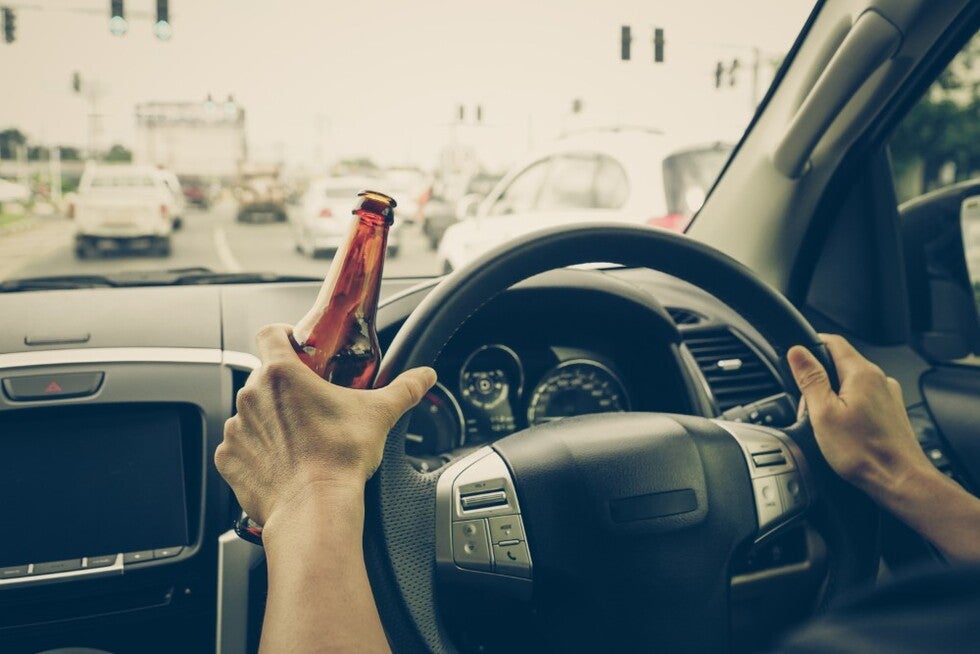
One moment, you're just trying to get home on the 405 after dinner in Santa Monica. Now, you're standing on the shoulder of the freeway trying to perform field sobriety tests as paramedics treat another driver for minor injuries. The words “DUI with injury” echo in your mind, and suddenly, a simple traffic stop feels like a fight for your future.
For many Californians, what begins as a routine drive home can spiral into one of the most frightening moments of their lives. In California, a DUI with bodily injury is one of the most serious DUI-related offenses. Even if the injuries were minor or accidental, prosecutors treat these cases as acts of recklessness. But you can protect your license, freedom, and reputation with an effective defense.
What Is a DUI with Bodily Injury?
A person commits a DUI causing injury when they:
- Drive under the influence of alcohol or drugs,
- Commit an unlawful act or neglect a legal duty while driving, and
- Cause bodily injury to another person as a result.
Bodily injury doesn't have to mean catastrophic harm. Even bruises, whiplash, or minor medical treatment can satisfy the statute's threshold.
Prosecutors must prove you were impaired and that your alleged impairment directly caused the injury. Simply being present at an accident scene isn't enough. Connecting those dots between driving behavior, alcohol levels, and causation is often where an experienced defense lawyer can dismantle the State's case.
DUI with Bodily Injury vs. Standard DUI
While both offenses involve driving under the influence, the key difference is the presence of an injury. A standard DUI focuses solely on impairment, while a DUI causing injury introduces the additional element of bodily harm.
This extra element increases both the penalties and the stigma. A conviction can impact professional licenses, immigration status, and future employment opportunities.
However, it also gives your defense team more room to challenge causation and evidentiary issues. Prosecutors have the burden of proving two things: that an injury occurred and that you were impaired. Proving these elements beyond a reasonable doubt can be challenging, especially if you have a seasoned lawyer who knows how to challenge the evidence.
What Happens After a DUI with Injury Arrest?
After your arrest, you'll likely face both criminal court proceedings and a DMV administrative hearing. These are separate hearings, but both are important.
- Criminal court. The District Attorney will file charges based on the police report, chemical test results, and witness statements. Your attorney can request discovery, challenge probable cause, and work to negotiate reduced charges or alternative sentencing.
- DMV hearing. You must request a hearing within 10 days to contest your administrative license suspension. Failing to do so can result in automatic loss of driving privileges.
Many people make the mistake of assuming the criminal case covers the DMV process. It doesn't. A strong defense addresses both fronts simultaneously.
DUI with Injury: First Offense
A first offense still carries serious consequences. While courts may consider alternative sentencing or diversion for minor injuries, first-time offenders are not automatically granted leniency.
Sentencing alternatives can include probation, DUI school, or restricted driving privileges. In some counties, a strong defense can lead to your charge being reduced to a wet reckless, which avoids a formal felony conviction and allows for lighter penalties.
Even for a first-time charge, you face steep odds without representation. Prosecutors rarely negotiate unless defense counsel identifies weaknesses in their evidence or challenges how the case was filed.
.
Is a DUI with Bodily Injury a Felony in California?
Whether the State charges a DUI involving injury as a misdemeanor or felony depends on the circumstances. California treats this offense as a “wobbler,” meaning prosecutors have discretion to file it either way. You may face a misdemeanor if:
- It's your first or second DUI,
- The injury was minor, and
- No aggravating factors, such as excessive speed or hit-and-run, were involved.
You may face a felony DUI with injury if:
- The injuries were serious or involved multiple victims,
- You have prior DUI convictions, or
- The conduct was deemed grossly negligent.
Prosecutors often file aggressively, especially in Los Angeles and Orange County, where DUI enforcement units have dedicated teams focused solely on injury cases. Having a defense attorney who understands how to negotiate these wobbler offenses can mean the difference between probation and state prison.
Penalties of a Conviction
The DUI with bodily injury sentence in California depends largely on how prosecutors choose to file the case, as a misdemeanor or a felony. Both carry serious consequences beyond a simple fine or short jail stay. In many cases, the court's decision is influenced by the extent of injury, your driving record, and the strength of the evidence.
If charged as a misdemeanor, potential penalties may include:
- Up to 1 year in county jail;
- Fines ranging from $390 to $5,000, not including court fees or restitution;
- Payment of restitution to the injured party;
- Mandatory completion of a state-approved DUI program lasting 3 to 30 months;
- Driver's license suspension for up to 1 year; and
- Up to 3 years of informal probation.
Even short jail sentences can disrupt your life, job, family, and record. An experienced attorney can often intervene early and push for misdemeanor treatment, but getting to the prosecutor before they file your case as a felony can make a difference.
If charged as a felony DUI with injury in California, the potential consequences escalate dramatically:
- State prison sentences of 2 to 4 years, plus 1 extra year for each person who sustained injury;
- Fines of up to $5,000;
- A possible “strike” under California's Three Strikes Law if the court considers the injuries to be serious;
- Formal probation lasting up to 5 years; and
- A driver's license suspension of up to 5 years.
The DMV will also require an ignition interlock device (IID) after license reinstatement, even for first-time offenders, as a condition of keeping your driving privileges.
Because penalties escalate so quickly, addressing the case early is essential. Once a prosecutor designates your case as a felony, options for dismissal or reduction can narrow significantly. An assertive defense can mean the difference between temporary disruption and life-changing consequences.
Common Defenses to DUI with Bodily Injury Charges
No two DUI injury cases are the same. The details—what happened, how evidence was handled, and who was involved—often make or break the outcome. Effective defenses include:
- Faulty chemical testing. Breathalyzers and blood tests can be unreliable due to improper testing procedures, calibration errors, evidence contamination, or improper handling.
- Lack of causation. The prosecution must prove that your impairment directly caused the injury. If it is possible that another driver, hazard, or condition caused the injury, you could have a strong defense.
- Rising blood alcohol levels. Alcohol levels can increase after you stop driving but before testing. The fact means your BAC may have been below the legal limit when you were behind the wheel and rose higher during the stop, arrest, and testing phase.
- Violation of rights. Police must follow strict procedures during stops, arrests, and testing. Any rights violations can result in suppressed evidence or a dismissed case.
- Emergency necessity. In limited cases, you may argue that driving was unavoidable due to an emergency or immediate danger.
Defenses like these aren't cookie-cutter. They depend on the evidence, such as dashcam footage, officer reports, witness statements, and test accuracy. Your lawyer can be effective if they review and challenge the evidence early in the case.
How Our Skilled DUI Defense Attorney Can Help
A DUI with injury charge can feel devastating, especially when you never intended harm.
At Esfandi Law Group, our defense team understands the courtroom and the science behind DUI prosecution. With over 23 years of experience, we know how to dismantle the State's case.
We've helped hundreds of Californians avoid convictions or dramatically reduce charges. Our approach combines legal precision with human understanding because one mistake should not define your future. When we take on a DUI with injury case, we:
- Scrutinize field sobriety and chemical test procedures;
- Reconstruct the accident with qualified experts, when necessary;
- Identify causation gaps and alternate explanations;
- Challenge enhancements or sentencing overreach; and
- Present mitigating evidence to argue for a lighter sentence.
DUI with injury cases are among California's most aggressively prosecuted offenses, but are also among the most defensible when handled strategically and early.
If you or someone you care about has been charged, don't wait for the court to decide your story. With immediate legal help, you can contest the evidence, protect your license, and pursue reduced penalties or dismissal.Contact us, we're here to fight beside you.
FAQs
Can a DUI with Injury Be Reduced?
A strong defense can often result in reduced charges, such as reckless driving (i.e., “wet reckless”) or misdemeanor DUI, especially when minor injuries or evidence is weak.
Will I Lose My License After a DUI with Injury?
The DMV can suspend your license independently of the court, but a lawyer can request a hearing within 10 days to contest the suspension and fight for restricted privileges.
Is Jail Mandatory for a DUI with Injury First Offense?
Not always. While jail is possible, first-time offenders may qualify for probation, DUI school, or other sentencing alternatives, depending on the county and the case facts.
Resources
- California Legislative Information. Vehicle Code § 23152 – Standard DUI, link.
- California Legislative Information. Vehicle Code Penalties for a Violation of Section 23153, link.
- California DMV. Driving Under the Influence (DUI), link.
- California DMV. DUI First Offenders (with Injury), link.
- California Courts. CALCRIM Nos. 2100–2102 – Jury Instructions for DUI with Injury, link.
